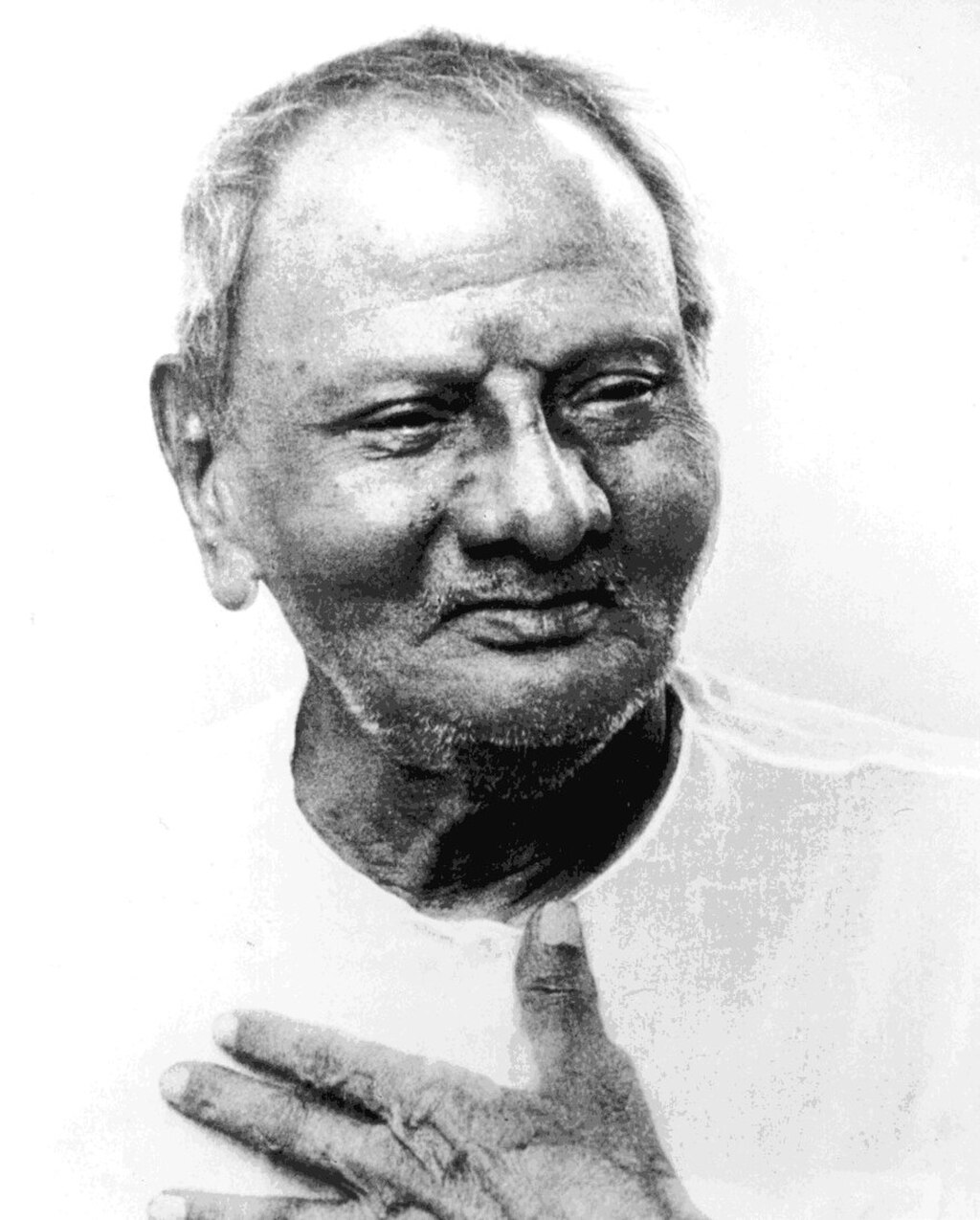
The Weight of Our Own Actions
Nisargadatta Maharaj's assertion, "You are responsible only for what you do, not for what others do," invites us to reflect deeply on the nature of responsibility and ownership in our lives. In a world often fraught with blame and external judgment, this quote serves as a clarion call to reclaim our agency. It emphasizes that our focus should be on our own actions and intentions rather than the actions of others, which can often lead to unnecessary suffering and distraction. Understanding this principle is crucial for cultivating inner peace and clarity.
This teaching resonates profoundly in our interconnected lives, where the actions of others can easily influence our emotional states and perceptions. By recognizing that we cannot control the behavior of those around us, we liberate ourselves from the burdens of guilt, resentment, and frustration. Instead, we are encouraged to turn inward, examining our own choices and responses. This inward focus not only fosters personal growth but also enhances our relationships, allowing us to engage with others from a place of authenticity and compassion.
The image / the metaphor
The imagery in Maharaj's quote evokes a sense of personal sovereignty. The verbs "are responsible" and "do" suggest an active engagement with life, where one’s own actions are the primary focus. The quote implies a boundary between self and other, a delineation that is essential for understanding the nature of responsibility. This boundary is not meant to isolate us but to empower us, reminding us that our energy is best spent on our own choices rather than the unpredictable actions of others.
In the speaker's tradition
Nisargadatta Maharaj's teachings are rooted in the non-dual tradition, which emphasizes the interconnectedness of all beings while simultaneously affirming the importance of individual experience. Concepts such as dharma, or one's rightful duty, and sunyata, the emptiness that allows for the fullness of existence, resonate with the essence of this quote. In this context, responsibility is not merely a burden but a sacred duty to act in alignment with one's true nature, free from the entanglements of others' actions.
In the text "I Am That," Maharaj often speaks of the importance of self-inquiry and the realization of one's true self beyond the ego. This aligns with the notion that our responsibility lies in understanding our own nature and acting from that place of authenticity. The teachings of other non-dual philosophers, such as Ramana Maharshi, echo this sentiment, emphasizing that liberation comes from recognizing the distinction between the self and the myriad distractions of the external world.
Living the teaching
Consider a modern scenario where this teaching can be applied: imagine a workplace environment where tensions run high due to a colleague's negative behavior. It is easy to become consumed by frustration and resentment, allowing their actions to dictate your emotional state. However, by embracing Maharaj's teaching, you can shift your focus back to your own responses. You can choose to engage with compassion, setting boundaries while remaining centered in your own integrity, thus transforming the dynamic without being swept away by another's negativity.
In a more personal context, think about a relationship where misunderstandings frequently arise. It can be tempting to blame the other person for their reactions or behaviors. Yet, by internalizing the essence of this quote, you can recognize that your responsibility lies in how you communicate and respond. This awareness allows for deeper connection and understanding, fostering a relationship built on mutual respect and accountability rather than blame and defensiveness.
A reflection
As we contemplate Nisargadatta Maharaj's profound words, we are invited to ask ourselves: "In what areas of my life am I allowing the actions of others to dictate my emotional landscape?" This question encourages a deep exploration of our own agency and the ways we can reclaim our power by focusing on our actions and responses. By engaging with this inquiry, we can cultivate a more authentic and peaceful existence, grounded in the understanding that our true responsibility lies within.




Join the BrightStar Community
Stay connected with daily inspiration, event announcements, and community wisdom