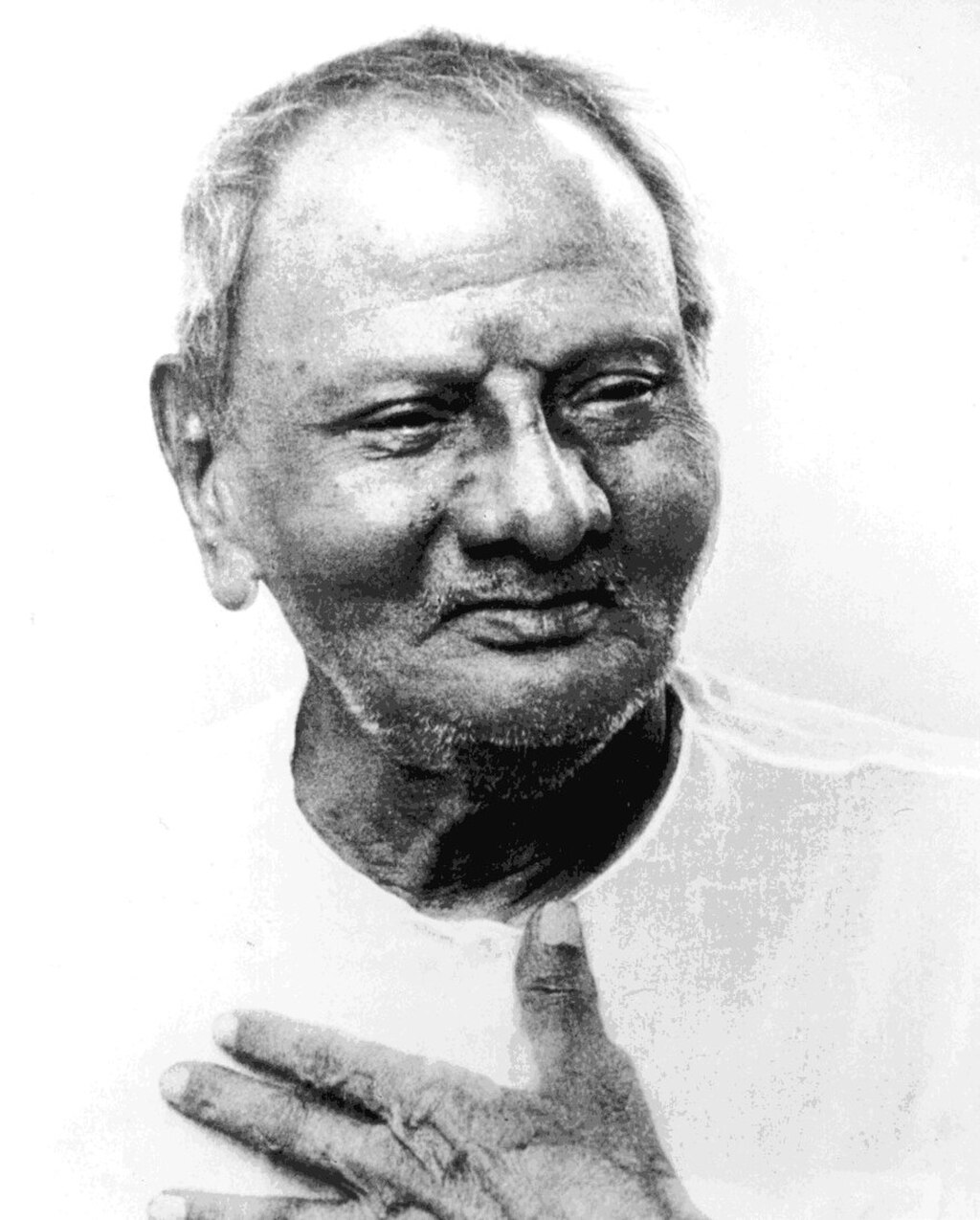
The Essence of Awareness: Embracing Existence Without Certainty
Nisargadatta Maharaj's profound assertion, "You don't need to know the absolute. Just be aware that you are," invites us to step away from the relentless pursuit of definitive truths and instead embrace the simple yet profound reality of our existence. This statement holds significant weight in a world often dominated by the quest for knowledge and certainty, suggesting that awareness itself is a sufficient foundation for our lives. By recognizing our being, we can cultivate a deeper understanding of ourselves and our place in the universe, fostering a sense of peace and acceptance.
In a society that often equates self-worth with knowledge and achievement, Maharaj's words serve as a gentle reminder that our essence does not hinge on intellectual understanding or external validation. The invitation to "just be aware" encourages us to shift our focus from the complexities of thought to the simplicity of existence. This shift is not merely a philosophical exercise; it is a transformative practice that can lead to a more authentic and fulfilling life, rooted in the present moment and the inherent value of being.
The image / the metaphor
The imagery in Maharaj's quote evokes a sense of grounding in the present, emphasizing the act of awareness as a vital aspect of our existence. The phrase "you don't need to know the absolute" suggests a release from the burdensome quest for ultimate truths, while "just be aware that you are" highlights the immediacy and simplicity of consciousness. This juxtaposition between the complex and the simple creates a felt sense of liberation, inviting us to let go of our mental constructs and simply experience the reality of our being.
Diving deeper into the metaphor, we can see that awareness is not merely a passive state; it is an active engagement with life itself. To "be aware that you are" implies a conscious recognition of our presence in the world, a mindfulness that transcends the noise of thought and distraction. This awareness acts as a lens through which we can perceive the richness of our experiences, allowing us to connect more deeply with ourselves and others. In this light, Maharaj's teaching becomes a call to cultivate a profound sense of presence, where the act of being becomes a source of wisdom and insight.
In the speaker's tradition
Nisargadatta Maharaj's teachings are rooted in the non-dual tradition, which emphasizes the interconnectedness of all existence and the illusion of separateness. Concepts such as *sunyata* (emptiness) and *fana* (annihilation of the self) resonate deeply with his assertion that understanding the absolute is not necessary for spiritual awakening. Instead, the focus shifts to the experience of being, where the realization of one's true nature transcends intellectual comprehension. This aligns with the notion of *kenosis*, or self-emptying, which invites individuals to release their attachments to identity and knowledge in order to experience the fullness of existence.
A relevant text that echoes this sentiment is the *Upanishads*, which explore the nature of reality and the self. In these ancient scriptures, the idea of *Atman* (the true self) is intimately connected with *Brahman* (the ultimate reality), suggesting that the essence of being is both personal and universal. Maharaj's teaching serves as a contemporary reflection of these timeless truths, encouraging seekers to embrace their inherent nature without the need for external validation or absolute understanding.
Living the teaching
Consider a modern scenario where this teaching can be applied: a busy professional grappling with the pressures of work and life. In the midst of deadlines and expectations, the individual may feel overwhelmed by the need to achieve and prove their worth. By embracing Maharaj's teaching, they can shift their focus from the relentless pursuit of success to a simple acknowledgment of their existence. This awareness can foster a sense of calm, allowing them to navigate challenges with greater clarity and resilience, ultimately leading to a more balanced and fulfilling life.
In relationships, the application of this teaching can be equally transformative. Imagine a moment of conflict between partners, where misunderstandings and emotional triggers cloud their connection. By practicing awareness of their own being, each partner can step back from the heat of the moment and recognize their shared humanity. This shift in perspective allows for a deeper understanding and compassion, paving the way for healing and connection rather than division. In both scenarios, the act of being aware becomes a powerful tool for navigating the complexities of life and relationships.
A reflection
As we contemplate Maharaj's profound invitation to "just be aware that you are," we are called to reflect on the nature of our own existence. What does it mean for you to simply be aware, without the need for external validation or absolute understanding? In moments of stillness, allow this question to resonate within you, inviting a deeper exploration of your own awareness and the richness of your being.


Join the BrightStar Community
Stay connected with daily inspiration, event announcements, and community wisdom