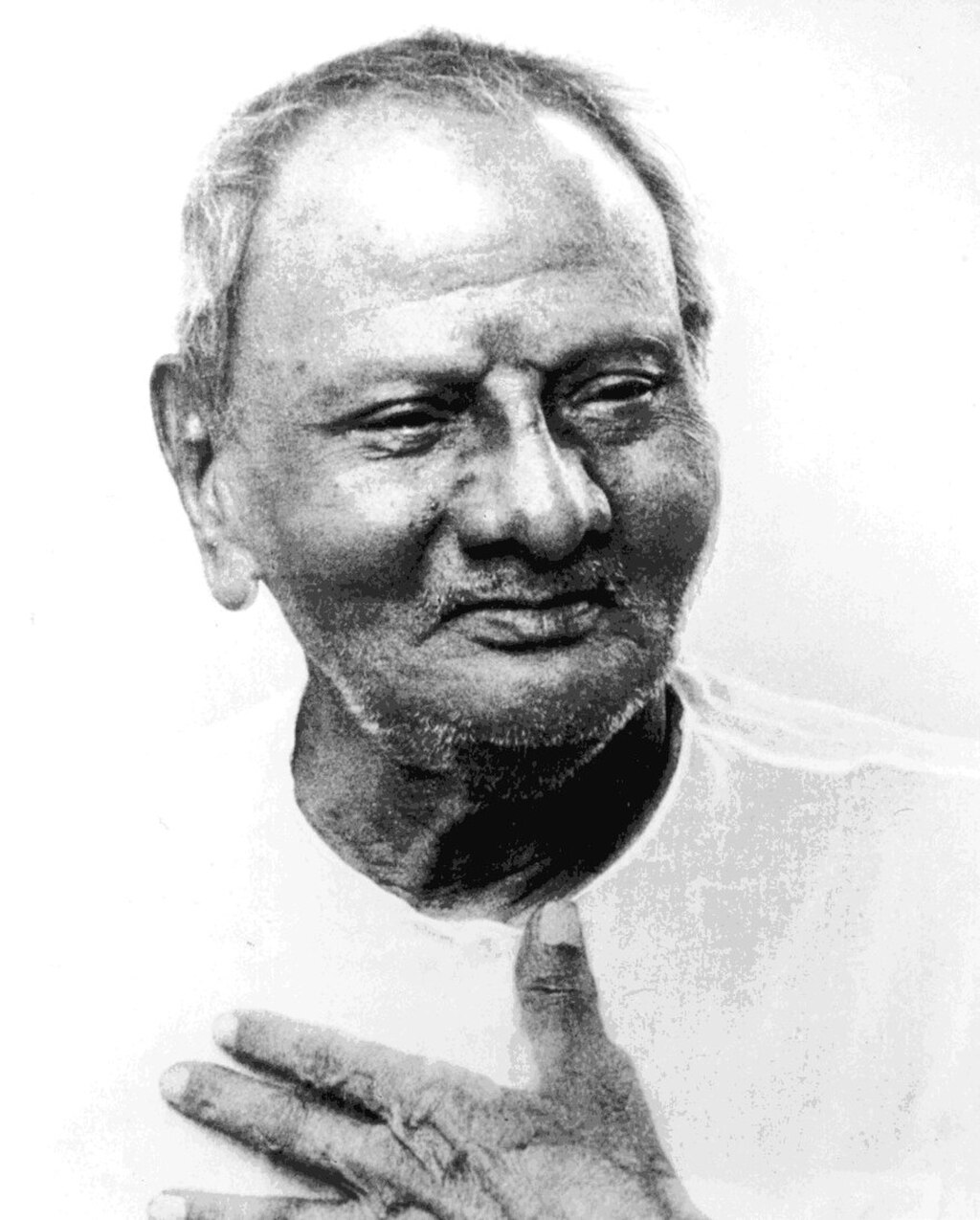
Finding Home in the Void
Nisargadatta Maharaj's profound assertion, "Your real home is in nothingness, in emptiness," invites us to reconsider our understanding of belonging and identity. In a world that often equates home with material possessions, relationships, and achievements, this statement challenges us to explore a deeper, more intrinsic sense of self. The stakes are high: to embrace this emptiness is to confront the very fabric of our existence, offering liberation from the burdens of attachment and desire.
This notion of home in nothingness resonates with the core of non-dual philosophy, where the essence of our being transcends the transient nature of the material world. Maharaj's words beckon us to recognize that true fulfillment lies not in external validations but in the profound stillness of our inner landscape. By embracing emptiness, we can cultivate a sense of peace and belonging that is unshakeable, rooted in the understanding that we are not separate from the universe but an integral part of its vast, interconnected web.
The image / the metaphor
The imagery of "nothingness" and "emptiness" evokes a sense of vastness and potential. These terms conjure a space devoid of clutter, where the noise of the world fades away, allowing for clarity and insight. The verbs "is" and "in" suggest a state of being rather than a destination, inviting us to dwell in this emptiness rather than merely observe it. This felt sense of home is not a physical place but a profound inner realization that transcends the limitations of our conditioned minds.
In the speaker's tradition
Nisargadatta Maharaj's teachings are rooted in the non-dual tradition, which emphasizes the interconnectedness of all existence and the illusory nature of separateness. Concepts such as sunyata (emptiness) and dharma (the natural order) are central to this philosophy, suggesting that true understanding arises when we recognize the transient nature of our experiences. The idea of kenosis, or self-emptying, aligns closely with Maharaj's assertion, as it encourages us to let go of our attachments and preconceived notions to discover our authentic selves.
In his seminal work, "I Am That," Maharaj articulates the importance of recognizing the illusory nature of the self. He draws parallels between the experience of emptiness and the Buddhist concept of sunyata, which posits that all phenomena are devoid of inherent existence. This recognition allows us to transcend the dualistic thinking that often traps us in cycles of desire and aversion, leading us toward a more profound understanding of our true nature.
Living the teaching
Consider a modern scenario where the pressures of daily life weigh heavily on an individual. The relentless pursuit of success, social validation, and material wealth can create a sense of disconnection and anxiety. By embracing the teaching of emptiness, one might find solace in moments of stillness, allowing the noise of external expectations to fade. This practice of returning to nothingness can serve as a refuge, offering clarity and a renewed sense of purpose that is not contingent upon external achievements.
In the context of relationships, the teaching of emptiness can be transformative. When conflicts arise, individuals often cling to their perspectives, leading to misunderstandings and resentment. By recognizing the impermanence of these emotions and the underlying emptiness of the ego, one can approach the situation with compassion and openness. This shift allows for deeper connections, as both parties can let go of their rigid identities and embrace the fluidity of their shared experience.
A reflection
As we contemplate Nisargadatta Maharaj's invitation to find our home in nothingness, we are called to reflect on our own relationship with emptiness. What does it mean for you to dwell in this space of stillness and potential? In what ways can you cultivate a sense of belonging that transcends the material and the transient? Allow these questions to guide your exploration of self and the universe, inviting you to discover the profound peace that lies within the heart of emptiness.




Join the BrightStar Community
Stay connected with daily inspiration, event announcements, and community wisdom