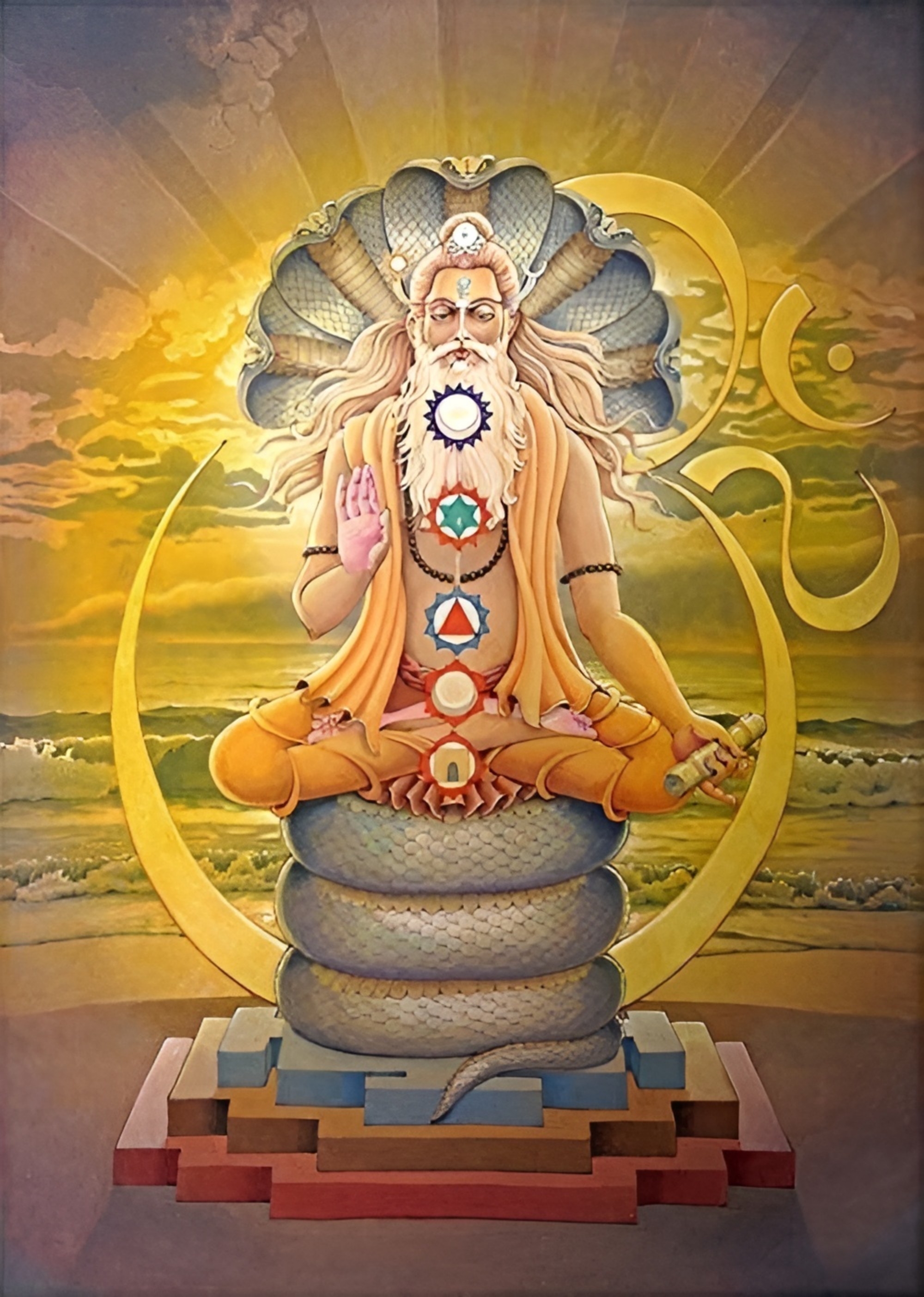
The Illusion of Power: A Path to Samadhi
Patanjali's assertion that "all these powers are obstacles to samadhi, but accomplishments in worldly life" invites us to reflect on the nature of our pursuits and the distractions they may create on our spiritual journey. In essence, he warns us that the very abilities and achievements we often celebrate can become barriers to deeper states of consciousness and unity with the divine. This insight is crucial for anyone seeking a more profound understanding of yoga and the self, as it challenges us to discern between worldly success and spiritual fulfillment.
As we delve deeper into this quote, we uncover layers of meaning that resonate with the core of yogic philosophy. Patanjali's words compel us to examine the motivations behind our actions and the attachments we form to our accomplishments. In a world that often equates success with power and recognition, this teaching serves as a poignant reminder that true liberation lies not in external validation but in the quiet depths of samadhi, the state of meditative absorption where the self dissolves into the universal consciousness.
The image / the metaphor
The imagery within Patanjali's quote evokes a landscape where the powers we possess—be they talents, skills, or achievements—are likened to obstacles on the path to samadhi. The choice of the word "obstacles" suggests a rugged terrain, where the very things we might consider assets can hinder our progress. This metaphor speaks to the paradox of human experience: that which elevates us in the eyes of society can simultaneously anchor us in a state of separation from our true essence.
Diving deeper into this metaphor, we can envision the journey toward samadhi as a pilgrimage through a dense forest. The powers we accumulate—like branches and thorns—can entangle us, diverting our focus from the clear path ahead. In this sense, Patanjali invites us to cultivate discernment, to recognize when our pursuits lead us away from the stillness and clarity that samadhi offers. The challenge lies in untangling ourselves from these distractions, allowing the essence of our being to emerge unencumbered.
In the speaker's tradition
Patanjali's teachings are rooted in the ancient tradition of yoga, which emphasizes the importance of discernment (viveka) in navigating the complexities of life. This discernment is not merely intellectual but deeply experiential, guiding practitioners to differentiate between the transient nature of worldly accomplishments and the enduring peace found in spiritual realization. Concepts such as dharma, or righteous duty, further enrich this understanding, suggesting that our actions should align with a higher purpose rather than mere personal gain.
In the context of the Yoga Sutras, Patanjali's insights resonate with the notion of kenosis, or self-emptying, found in various spiritual traditions. Just as the practice of kenosis invites individuals to relinquish their ego and desires, Patanjali encourages us to let go of our attachments to power and success. This theme echoes throughout the sutras, particularly in the exploration of the eight limbs of yoga, where the ultimate goal is to transcend the self and experience the unity of all existence.
Living the teaching
Consider a modern scenario where an individual is climbing the corporate ladder, achieving promotions and accolades. While these accomplishments may bring temporary satisfaction, they can also lead to a sense of disconnection from one's true self and purpose. In this context, Patanjali's teaching serves as a gentle nudge to reflect on whether these achievements are genuinely fulfilling or merely distractions from a deeper calling. The challenge lies in recognizing that the pursuit of power can sometimes overshadow the pursuit of inner peace.
A reflection
As we contemplate Patanjali's profound insight, we are invited to ask ourselves: "In what ways do my pursuits and accomplishments distract me from experiencing the stillness of samadhi?" This question encourages a deep exploration of our motivations and attachments, prompting us to discern the difference between what truly nourishes our spirit and what merely feeds our ego. In this inquiry, we may find the seeds of transformation, leading us toward a more authentic and fulfilling existence.




Join the BrightStar Community
Stay connected with daily inspiration, event announcements, and community wisdom