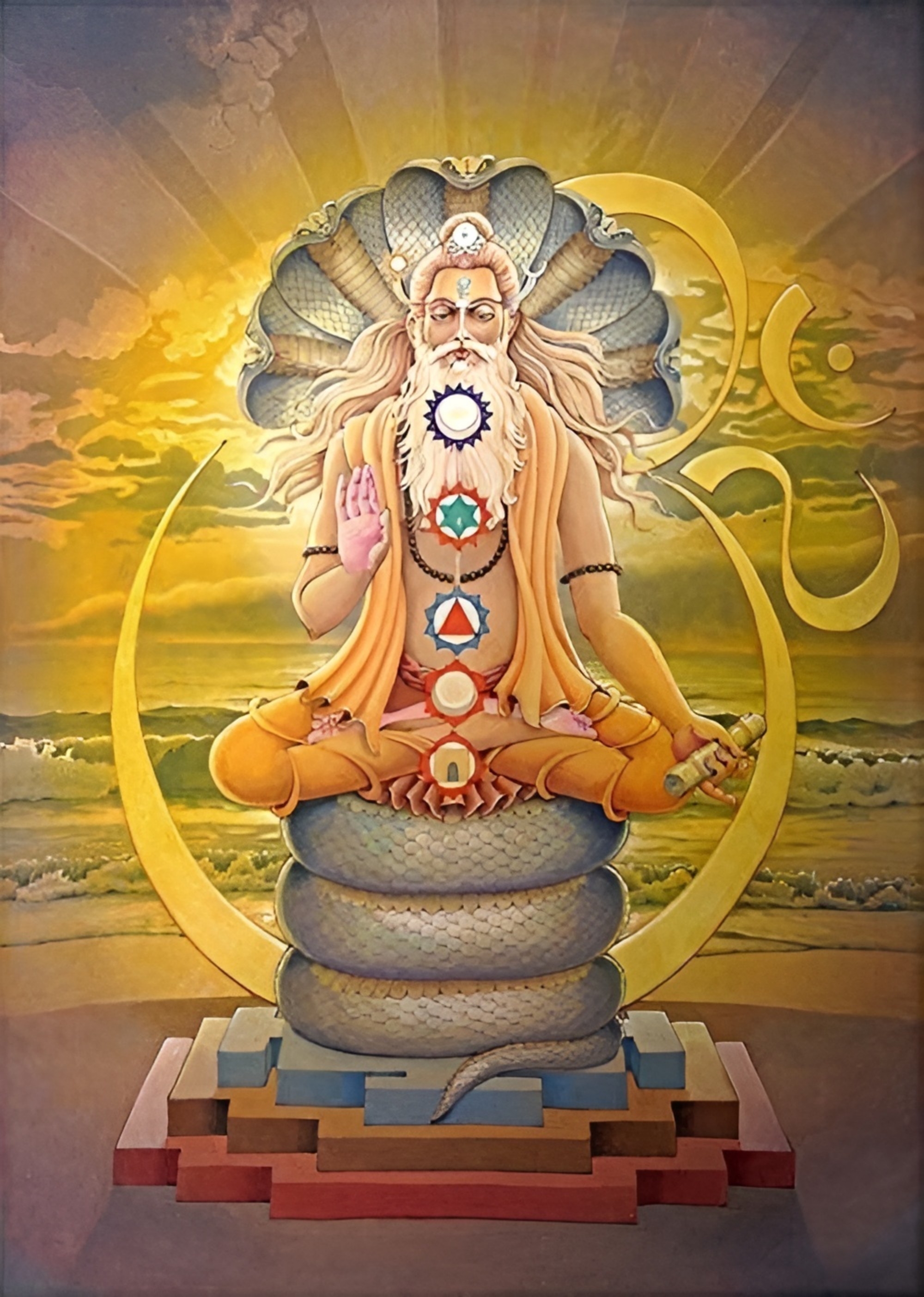
The Path to Stillness: Understanding Patanjali's Vision
Patanjali's assertion that "all this is for the purpose of attaining samadhi and minimizing the afflictions" encapsulates the essence of the yogic journey. In this statement, he emphasizes the ultimate goal of yoga: achieving a state of profound stillness and clarity, known as samadhi, while simultaneously addressing the myriad afflictions that cloud our minds and hearts. This pursuit is not merely an abstract ideal; it is a deeply practical endeavor that speaks to the human condition and our universal struggles with suffering and distraction.
To grasp the significance of Patanjali's words, we must recognize that they arise from a context rich with philosophical inquiry and experiential wisdom. The Yoga Sutras, a foundational text of yoga philosophy, offers a roadmap for navigating the complexities of existence. In this light, the quote invites us to reflect on our own lives, urging us to consider how we might cultivate inner peace and clarity amidst the chaos of modern living. The journey toward samadhi is not just a personal quest; it is a collective aspiration that resonates with anyone who seeks to transcend the limitations of the mind and experience a deeper connection to oneself and the universe.
The image / the metaphor
Patanjali's quote conjures a vivid image of a journey toward a serene destination, where samadhi represents the ultimate state of being. The verb "attaining" suggests an active pursuit, a conscious effort to reach this elevated state of consciousness. In contrast, "minimizing the afflictions" evokes a sense of struggle against the turbulent waves of emotional and mental disturbances that often overwhelm us. Together, these elements create a dynamic interplay between aspiration and the challenges we face, illustrating the dual nature of the yogic path.
Diving deeper into the metaphor, we can see that samadhi is not merely a destination but a transformative process. The journey toward this state involves shedding layers of ignorance, attachment, and suffering—what Patanjali refers to as afflictions. The imagery of a traveler navigating through a stormy sea to reach a tranquil shore resonates with our own experiences of striving for peace amidst life's inevitable challenges. This metaphor invites us to embrace the journey itself, recognizing that each step taken toward minimizing afflictions is a step closer to the stillness we seek.
In the speaker's tradition
Patanjali's teachings are situated within the broader context of yoga philosophy, which emphasizes the importance of aligning one's actions with dharma, or righteous living. The pursuit of samadhi is intimately connected to the practice of self-discipline and ethical conduct, which serve as the foundation for minimizing afflictions. Concepts such as kenosis, or self-emptying, and sunyata, the notion of emptiness, further illuminate the path toward liberation from suffering. In this tradition, the journey is not solely about personal enlightenment; it is also about cultivating compassion and understanding for all beings.
In the Yoga Sutras, Patanjali outlines various practices, such as meditation and ethical observances (yamas and niyamas), that facilitate the attainment of samadhi. For instance, the practice of prajna, or wisdom, encourages us to discern the nature of our afflictions and to cultivate insight into the impermanent nature of our thoughts and emotions. This wisdom is essential for navigating the complexities of life, allowing us to respond to challenges with grace and equanimity. By situating Patanjali's quote within this rich tapestry of yogic philosophy, we can appreciate the depth and breadth of his vision for human flourishing.
Living the teaching
Consider a modern scenario where the teachings of Patanjali resonate deeply: a busy professional grappling with stress and anxiety in a fast-paced work environment. This individual may find themselves overwhelmed by deadlines, expectations, and the constant barrage of information. In this context, the pursuit of samadhi becomes a vital practice, offering a refuge from the afflictions of modern life. By integrating mindfulness techniques, such as meditation or breathwork, into their daily routine, they can cultivate a sense of inner calm and clarity, gradually minimizing the mental clutter that hinders their well-being.
Another application of this teaching can be found in interpersonal relationships. Imagine a conflict arising between friends, where misunderstandings and emotional wounds create tension. By embracing Patanjali's wisdom, both individuals can strive to minimize their afflictions by practicing empathy and active listening. This process may involve acknowledging their own emotional responses and choosing to respond with compassion rather than defensiveness. In doing so, they not only work toward resolving the conflict but also create a space for deeper connection and understanding, embodying the essence of samadhi in their interactions.
A reflection
As we contemplate Patanjali's profound insight, we are invited to reflect on our own lives: What afflictions do we carry that cloud our perception and hinder our journey toward inner peace? In what ways can we actively pursue samadhi amidst the chaos of our daily existence? By engaging with these questions, we open ourselves to the transformative potential of Patanjali's teachings, allowing them to guide us toward a more harmonious and fulfilling life.




Join the BrightStar Community
Stay connected with daily inspiration, event announcements, and community wisdom