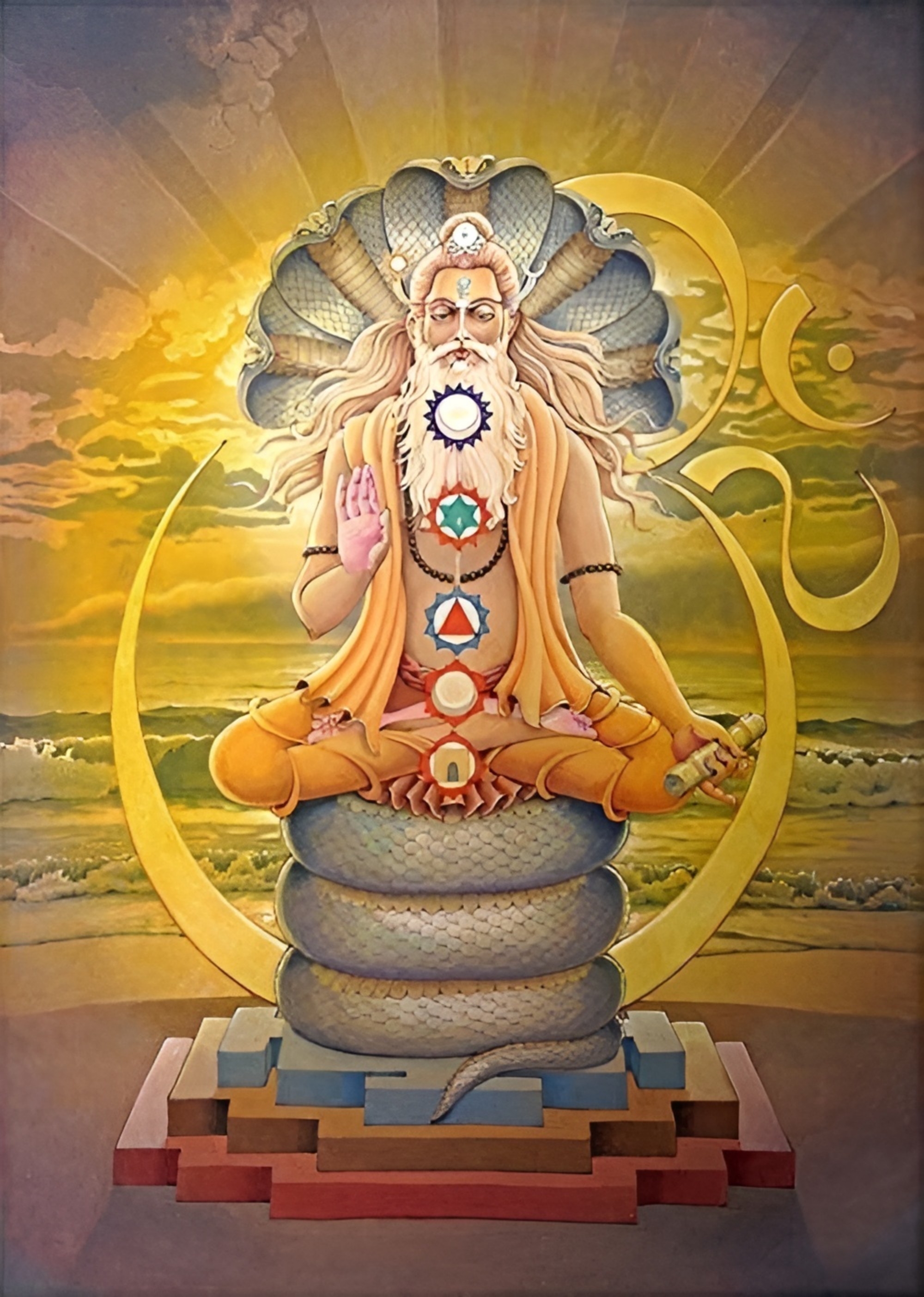
The Paradox of Pleasure and Suffering
Patanjali's assertion, "As long as there is suffering, even pleasure tends to suffering," invites us to explore the intricate relationship between pleasure and pain. This profound statement suggests that the fleeting nature of pleasure is overshadowed by the persistent reality of suffering. In a world where we often chase after pleasure as a means of escape, Patanjali's words remind us that true contentment cannot be found in transient joys, as they are inevitably tinged with the shadow of suffering. Understanding this dynamic is crucial for anyone seeking a deeper, more authentic experience of life.
Delving deeper into this quote reveals a fundamental truth about human existence: pleasure, while desirable, is often accompanied by the fear of loss and the anxiety of impermanence. This duality creates a cycle where the pursuit of pleasure can lead to greater suffering, as we become attached to experiences that are inherently fleeting. By recognizing this cycle, we can cultivate discernment, allowing us to navigate our desires with greater awareness and intention. This journey toward understanding is not merely an intellectual exercise; it is a transformative path that can lead to profound inner peace.
The image / the metaphor
The imagery within Patanjali's quote evokes a landscape where pleasure and suffering coexist, much like light and shadow in a painting. The verb "tends" suggests a natural inclination, indicating that pleasure is not an isolated experience but rather one that is influenced by the broader context of suffering. This interplay creates a felt sense of tension, where moments of joy are often laced with an undercurrent of anxiety or fear. The metaphor speaks to the human condition, where the pursuit of pleasure can lead us into a labyrinth of attachment and dissatisfaction.
In the speaker's tradition
Patanjali's teachings are rooted in the ancient tradition of yoga, which emphasizes the importance of discernment (viveka) in navigating the complexities of life. The concept of dharma, or one's rightful duty, plays a crucial role in understanding how to approach pleasure and suffering. In this context, discernment allows us to recognize when our pursuit of pleasure may lead to suffering, guiding us toward choices that align with our higher purpose. This awareness is essential for cultivating a life of balance and harmony, where pleasure is experienced without attachment.
In the Yoga Sutras, Patanjali further elaborates on the nature of suffering and its relationship to ignorance (avidya). He posits that suffering arises from our misperceptions and attachments, which cloud our understanding of reality. This aligns with the Buddhist concept of sunyata, or emptiness, which teaches that all phenomena are transient and interconnected. By embracing this understanding, we can cultivate a sense of detachment from pleasure, allowing us to experience it without the accompanying suffering that often arises from attachment.
Living the teaching
Consider a modern scenario where this teaching resonates: a person who seeks happiness through material possessions. They may find temporary joy in acquiring new items, but this pleasure is often short-lived, leading to a cycle of desire and disappointment. Each new purchase brings a fleeting sense of satisfaction, quickly overshadowed by the realization that true fulfillment remains elusive. By reflecting on Patanjali's insight, this individual can begin to discern the difference between momentary pleasure and lasting contentment, shifting their focus toward practices that nurture inner peace rather than external validation.
In relationships, the teaching can also be applied in profound ways. Imagine a couple who constantly seeks validation through each other's affection, only to find themselves in a cycle of dependency and disappointment. When one partner feels neglected, the other may feel compelled to overcompensate, leading to an imbalance that breeds resentment. By embracing Patanjali's wisdom, they can learn to cultivate self-awareness and discernment, recognizing that true love does not hinge on constant affirmation but rather on a deep understanding of each other's humanity, including the inevitable suffering that comes with it.
A reflection
As we contemplate Patanjali's profound statement, we are invited to reflect on our own relationship with pleasure and suffering. How often do we find ourselves chasing after fleeting joys, only to be met with the weight of suffering? In what ways can we cultivate discernment in our lives, allowing us to experience pleasure without becoming ensnared by it? These questions serve as a guiding light on our journey toward deeper understanding and authentic living, encouraging us to embrace the fullness of our human experience.




Join the BrightStar Community
Stay connected with daily inspiration, event announcements, and community wisdom