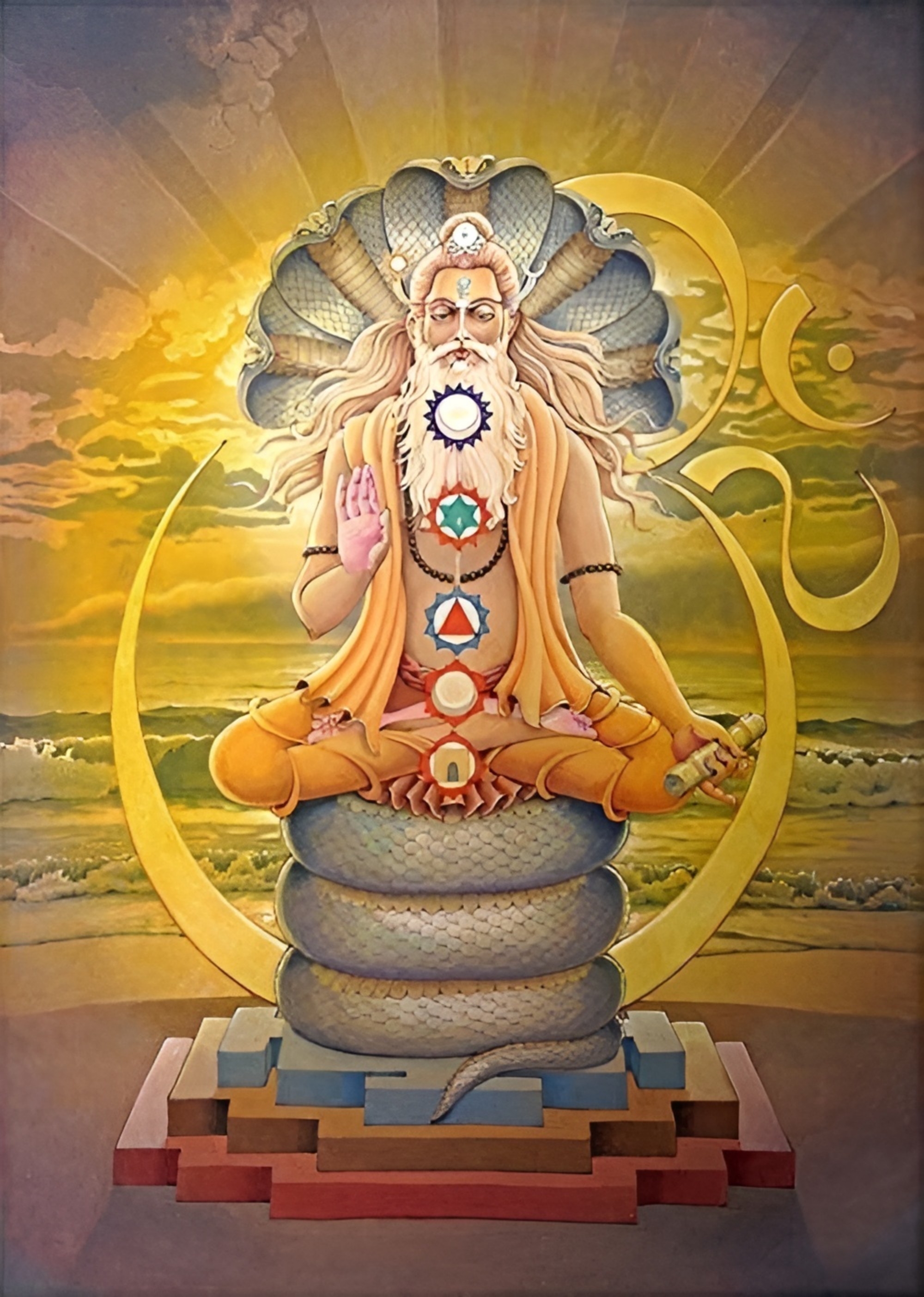
Seeing Beyond the Veil of Identification
Patanjali's assertion that "At other times, the seer is identified with the modifications" invites us to reflect on the intricate relationship between our true selves and the ever-shifting landscape of our thoughts and emotions. This statement encapsulates a profound truth about human experience: we often mistake our identities for the transient fluctuations of the mind. Understanding this distinction is crucial, as it opens the door to deeper self-awareness and liberation from the confines of our conditioned responses.
In a world where external validation and societal expectations shape our identities, Patanjali's words resonate with a timeless urgency. The struggle to disentangle our essence from the myriad modifications of the mind is a central theme in the journey of self-discovery. By recognizing that we are not merely the sum of our thoughts, feelings, and experiences, we can begin to cultivate a more profound sense of inner peace and clarity, ultimately leading us toward a more authentic existence.
The image / the metaphor
The imagery within Patanjali's quote evokes a dynamic interplay between the seer and the modifications, suggesting a dance of perception and illusion. The term "seer" refers to the true self, the observer who witnesses the flow of thoughts and emotions without becoming entangled in them. Conversely, "modifications" represent the ever-changing nature of the mind, akin to waves on the surface of a vast ocean. This metaphor highlights the distinction between the stillness of the ocean's depths and the tumultuous surface, inviting us to explore the depths of our being beyond the surface-level fluctuations.
Diving deeper into this metaphor, we can envision the seer as a lighthouse, steadfast and unwavering amidst the stormy seas of our mental landscape. The modifications, like waves crashing against the shore, can create a sense of chaos and confusion, leading us to believe that we are defined by our thoughts and emotions. Yet, the lighthouse remains unaffected by the tumult, illuminating the path toward clarity and understanding. This imagery serves as a reminder that our true nature is not found in the chaos of the mind but in the stillness that lies beneath.
In the speaker's tradition
Patanjali's teachings are rooted in the ancient tradition of yoga, which emphasizes the importance of self-realization and the cultivation of inner wisdom. Central to this tradition is the concept of dharma, or one's true path, which requires a clear understanding of the self beyond the modifications of the mind. The practice of yoga, particularly through meditation and mindfulness, serves as a means to transcend the identification with these mental fluctuations, allowing practitioners to experience a state of kenosis, or self-emptying, where the ego dissolves and the true self emerges.
In the Yoga Sutras, Patanjali elaborates on the nature of the mind and its modifications, categorizing them into five types: correct knowledge, misconception, verbal delusion, sleep, and memory. This classification underscores the importance of discernment in navigating our mental landscape. By cultivating prajna, or wisdom, we can learn to observe these modifications without becoming attached to them, ultimately leading us toward a state of liberation known as kaivalya, or absolute freedom. This journey is echoed in various spiritual traditions, where the quest for self-realization transcends cultural boundaries.
Living the teaching
Consider a modern scenario where an individual faces a challenging situation at work, perhaps receiving critical feedback from a supervisor. In this moment, the person may feel a surge of emotions—self-doubt, frustration, or even anger. If they identify solely with these modifications, they may react impulsively, allowing their emotions to dictate their response. However, by applying Patanjali's teaching, they can pause and recognize that these feelings are temporary fluctuations of the mind, not a reflection of their true self. This awareness allows them to respond with clarity and composure, transforming a potentially negative experience into an opportunity for growth.
In the realm of relationships, this teaching can manifest during conflicts with loved ones. When disagreements arise, it is easy to become entangled in the emotional modifications that surface—hurt feelings, defensiveness, or blame. By remembering Patanjali's insight, individuals can step back and observe these emotions without becoming identified with them. This practice fosters empathy and understanding, allowing for more constructive communication and deeper connections. Ultimately, living this teaching encourages us to cultivate a sense of presence and awareness, enabling us to navigate life's complexities with grace.
A reflection
As we contemplate Patanjali's profound statement, we are invited to explore the nature of our own identification. What aspects of your life do you find yourself overly attached to, mistaking them for your true self? In moments of emotional turbulence, how can you cultivate the awareness to separate the seer from the modifications? This inquiry opens the door to deeper self-understanding and invites us to embrace the stillness that lies beneath the surface of our thoughts and emotions.


Join the BrightStar Community
Stay connected with daily inspiration, event announcements, and community wisdom