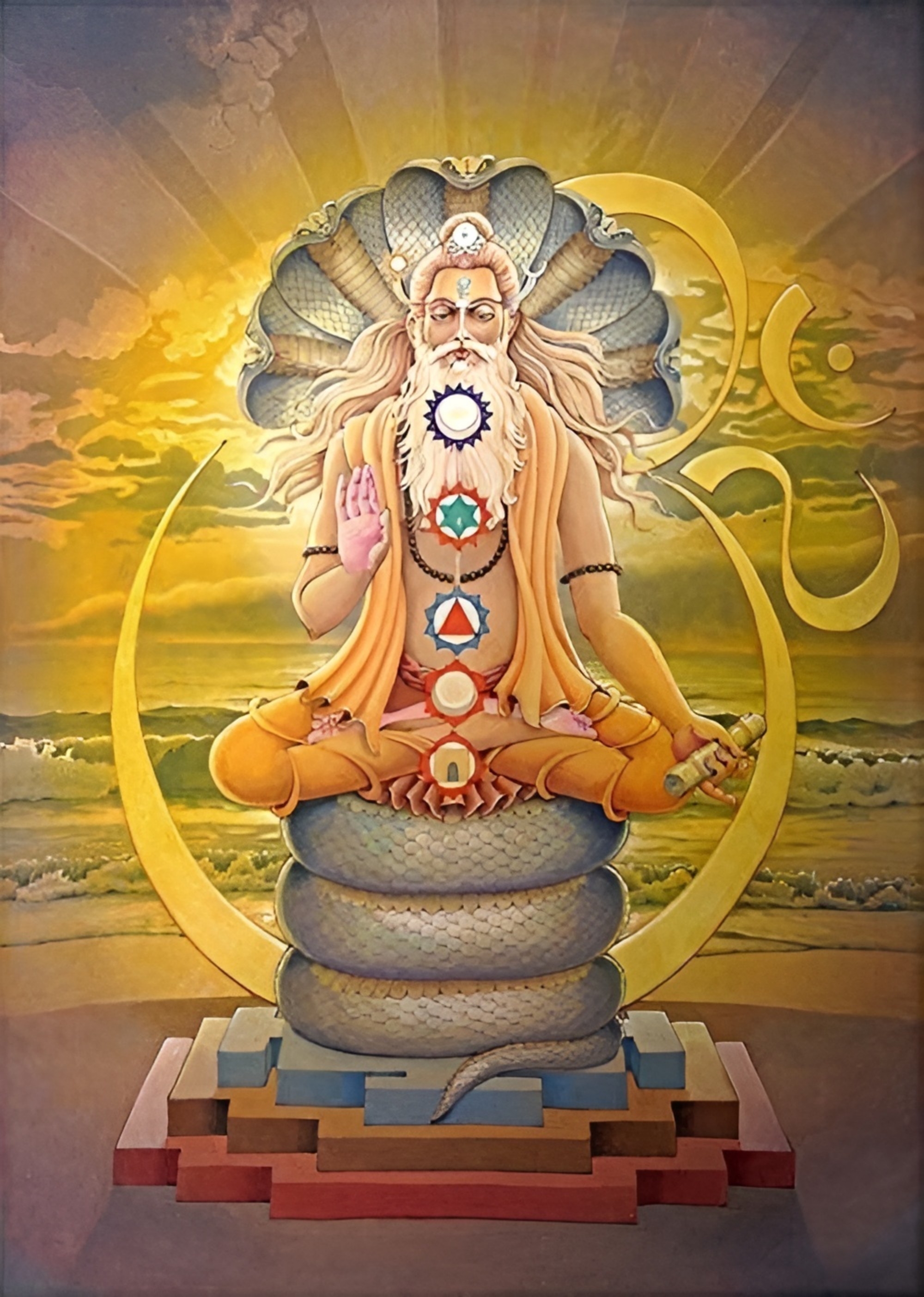
The Dance of Detachment: Embracing Balance in Practice
Patanjali's assertion that "both are essential — practice without dispassion leads to attachment to results" invites us to explore the delicate interplay between effort and detachment. In this profound statement, he emphasizes that while diligent practice is crucial for spiritual growth, it must be tempered with a sense of dispassion to avoid becoming ensnared by the fruits of our labor. This balance is not merely a philosophical ideal; it is a practical necessity for anyone seeking a deeper understanding of themselves and their place in the world.
In our contemporary lives, where achievement is often equated with self-worth, Patanjali's wisdom resonates with urgency. The relentless pursuit of results can cloud our judgment, leading us to identify our value with our accomplishments. By recognizing the importance of dispassion, we can cultivate a more profound sense of inner peace and clarity, allowing our practice to flourish without the weight of expectation. This teaching encourages us to engage fully in our endeavors while simultaneously releasing our grip on the outcomes, fostering a sense of freedom and authenticity.
The image / the metaphor
The imagery within Patanjali's quote evokes a dynamic interplay between two forces: practice and dispassion. The word "practice" suggests a disciplined, ongoing effort, akin to a dancer rehearsing for a performance, while "dispassion" implies a serene detachment, like a witness observing the dance without judgment. This duality captures the essence of a balanced approach to spiritual growth, where one is fully engaged yet not overly attached to the results of that engagement.
Diving deeper into this metaphor, we can envision a river flowing toward the ocean. The river represents our practice, a continuous movement toward a greater understanding and connection. However, if the river becomes fixated on the destination, it may lose sight of the beauty of the journey itself. Dispassion acts as the gentle current that allows the river to flow freely, embracing each twist and turn without clinging to the idea of reaching the ocean. In this way, Patanjali invites us to appreciate both the process and the destination, recognizing that they are intertwined yet distinct.
In the speaker's tradition
Patanjali's teachings are rooted in the ancient tradition of yoga, which encompasses a holistic approach to life and spirituality. Central to this tradition is the concept of dharma, or one's rightful duty, which encourages individuals to engage in their practices with sincerity and commitment. However, the notion of kenosis, or self-emptying, complements this by urging practitioners to relinquish their attachment to personal outcomes. This interplay between duty and detachment is essential for cultivating a balanced spiritual life.
In the Yoga Sutras, Patanjali elaborates on the importance of cultivating a state of equanimity, or samatva, which aligns closely with the idea of dispassion. This state allows practitioners to remain centered amidst the fluctuations of life, fostering resilience and clarity. By referencing the teachings of the Bhagavad Gita, where Krishna advises Arjuna to act without attachment to the fruits of his actions, we see a parallel that underscores the timeless relevance of Patanjali's wisdom. Both texts illuminate the path toward a balanced existence, where action and non-attachment coexist harmoniously.
Living the teaching
Consider a modern scenario where this teaching can be applied: a professional striving for success in their career. The individual may pour countless hours into their work, driven by the desire for recognition and advancement. However, if they become overly attached to the outcomes—such as promotions or accolades—they may experience anxiety and dissatisfaction. By embracing Patanjali's teaching of dispassion, they can engage fully in their work while releasing the need for external validation, allowing them to find joy in the process itself.
This principle can also manifest in personal relationships. Imagine a couple navigating a challenging period in their partnership. If one partner becomes fixated on the outcome of resolving their issues, they may inadvertently create tension and frustration. By practicing dispassion, both partners can approach their challenges with openness and curiosity, focusing on understanding each other rather than clinging to specific resolutions. This shift fosters a deeper connection and allows the relationship to evolve organically, illustrating how Patanjali's wisdom can transform our interactions with ourselves and others.
A reflection
As we contemplate Patanjali's insight, we are invited to reflect on our own lives: How can we cultivate a practice that embraces effort while remaining unattached to the results? This question encourages us to examine our motivations and the ways in which we engage with our aspirations. By exploring this balance, we may discover a path to greater fulfillment and peace, allowing our spiritual journey to unfold with grace and authenticity.




Join the BrightStar Community
Stay connected with daily inspiration, event announcements, and community wisdom