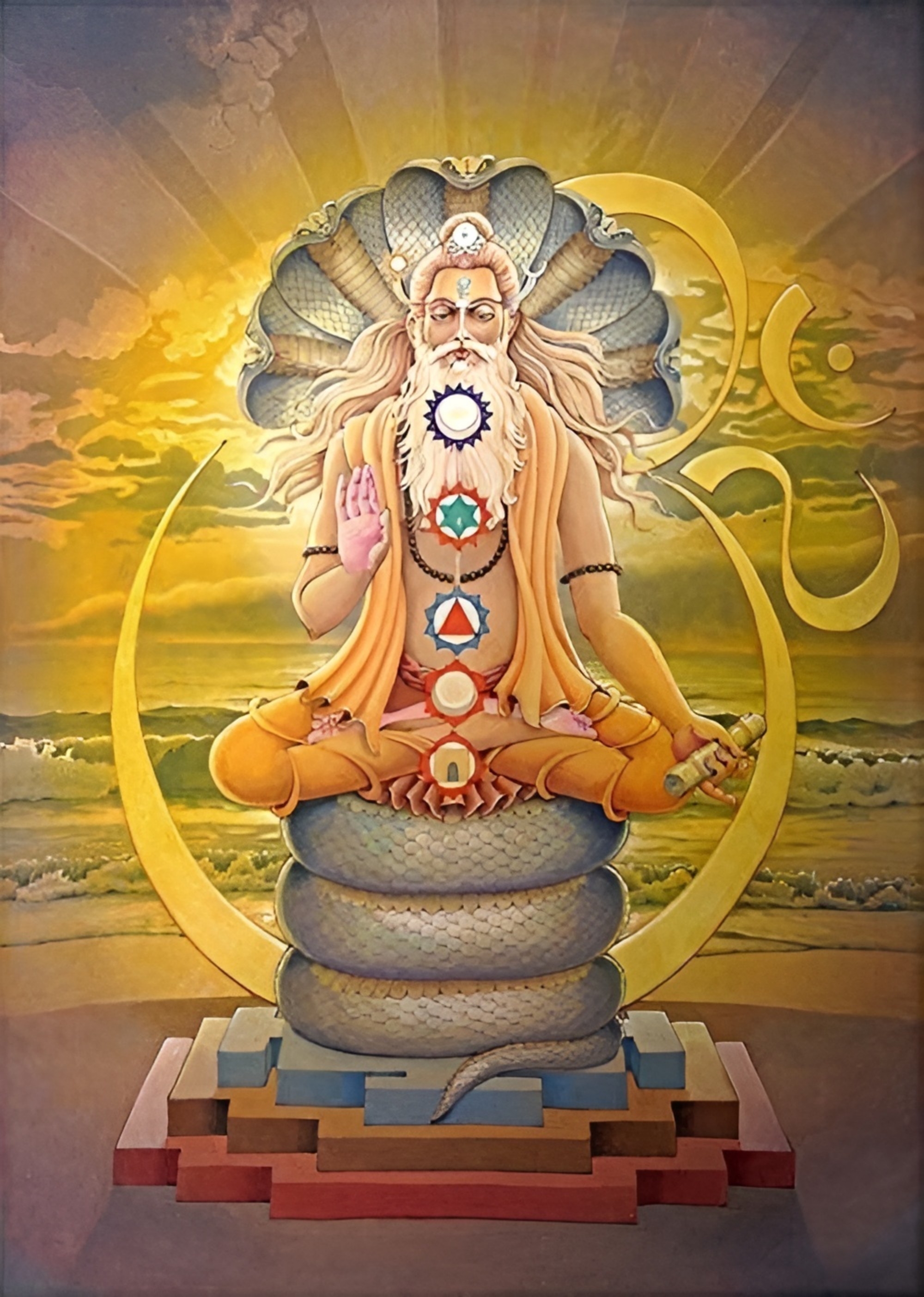
Breath as the Bridge to Stillness
Patanjali's assertion that "by the expulsion and retention of breath, the mind is also rendered steady" invites us to explore the profound relationship between breath and mental clarity. In this succinct statement, he encapsulates a transformative practice that lies at the heart of yoga. The significance of this teaching resonates deeply in our fast-paced world, where the mind often flits from one distraction to another, leaving us feeling fragmented and restless. Understanding how breath can anchor our thoughts is not merely an academic exercise; it is a pathway to inner peace and stability.
This quote serves as a reminder that the act of breathing is not just a physiological necessity but a spiritual practice that can cultivate mindfulness and serenity. In the context of Patanjali's Yoga Sutras, breath control, or pranayama, is a vital tool for achieving a focused and tranquil mind. By engaging with our breath, we can navigate the tumultuous waters of our thoughts and emotions, allowing us to experience a deeper sense of presence and connection to ourselves and the world around us.
The image / the metaphor
The imagery in Patanjali's quote evokes a dynamic interplay between breath and mind. The verbs "expulsion" and "retention" suggest a rhythmic dance, a cycle of release and embrace that mirrors the natural ebb and flow of life itself. When we expel breath, we let go of tension, anxiety, and distractions, creating space for clarity. Conversely, retention allows us to pause, to gather our thoughts, and to cultivate a sense of stillness. This duality reflects the broader human experience of balancing action and contemplation.
Delving deeper into the metaphor, we can see that breath serves as a bridge between the physical and the mental realms. Just as the tides of the ocean rise and fall, our breath can guide us through the waves of our thoughts. The act of consciously controlling our breath becomes a metaphor for mastering our mind; it teaches us that we can choose how to respond to the chaos around us. In this way, Patanjali invites us to recognize the power we hold in shaping our inner landscape through the simple yet profound act of breathing.
In the speaker's tradition
Patanjali's teachings are rooted in the ancient tradition of yoga, which encompasses a holistic approach to the mind, body, and spirit. Central to this tradition is the concept of dharma, or one's rightful path, which emphasizes the importance of aligning our actions with our true nature. The practice of pranayama, as highlighted in this quote, is a means of cultivating prajna, or wisdom, allowing us to discern our dharma amidst the distractions of daily life. This connection between breath and mental steadiness is echoed in various spiritual traditions, where the act of breathing is often seen as a sacred practice that fosters inner peace.
In the Yoga Sutras, Patanjali outlines the eight limbs of yoga, with pranayama being a crucial component in the journey toward samadhi, or deep meditative absorption. This progression illustrates how breath control not only steadies the mind but also serves as a gateway to higher states of consciousness. The teachings of other spiritual traditions, such as the concept of sunyata in Buddhism, which refers to emptiness and the release of attachments, resonate with Patanjali's insights. Both traditions emphasize the importance of stillness and clarity as essential for spiritual awakening.
Living the teaching
Consider a modern scenario where the pressures of work and life converge, leaving one feeling overwhelmed and scattered. In such moments, the practice of focusing on breath can serve as a powerful tool for regaining composure. By taking a few moments to consciously inhale and exhale, one can create a pause that interrupts the cycle of stress and anxiety. This simple act can transform a chaotic day into an opportunity for reflection and grounding, allowing the individual to approach challenges with a clearer mind and a steadier heart.
In the context of relationships, the teaching of breath and mental steadiness can be equally transformative. During a heated conversation, for instance, the practice of mindful breathing can help individuals remain present and engaged rather than reactive. By consciously regulating their breath, they can cultivate a sense of calm that fosters understanding and compassion. This application of Patanjali's wisdom not only enhances personal well-being but also enriches interpersonal connections, creating a space for deeper communication and empathy.
A reflection
As we contemplate Patanjali's profound insight, we are invited to reflect on our own relationship with breath and stillness. How often do we allow ourselves to pause and breathe deeply amidst the chaos of our daily lives? In what ways can we integrate the practice of breath awareness into our routines to cultivate a steadier mind? These questions encourage us to explore the transformative potential of breath as a means of grounding ourselves in the present moment, ultimately leading us toward greater clarity and peace.


Join the BrightStar Community
Stay connected with daily inspiration, event announcements, and community wisdom