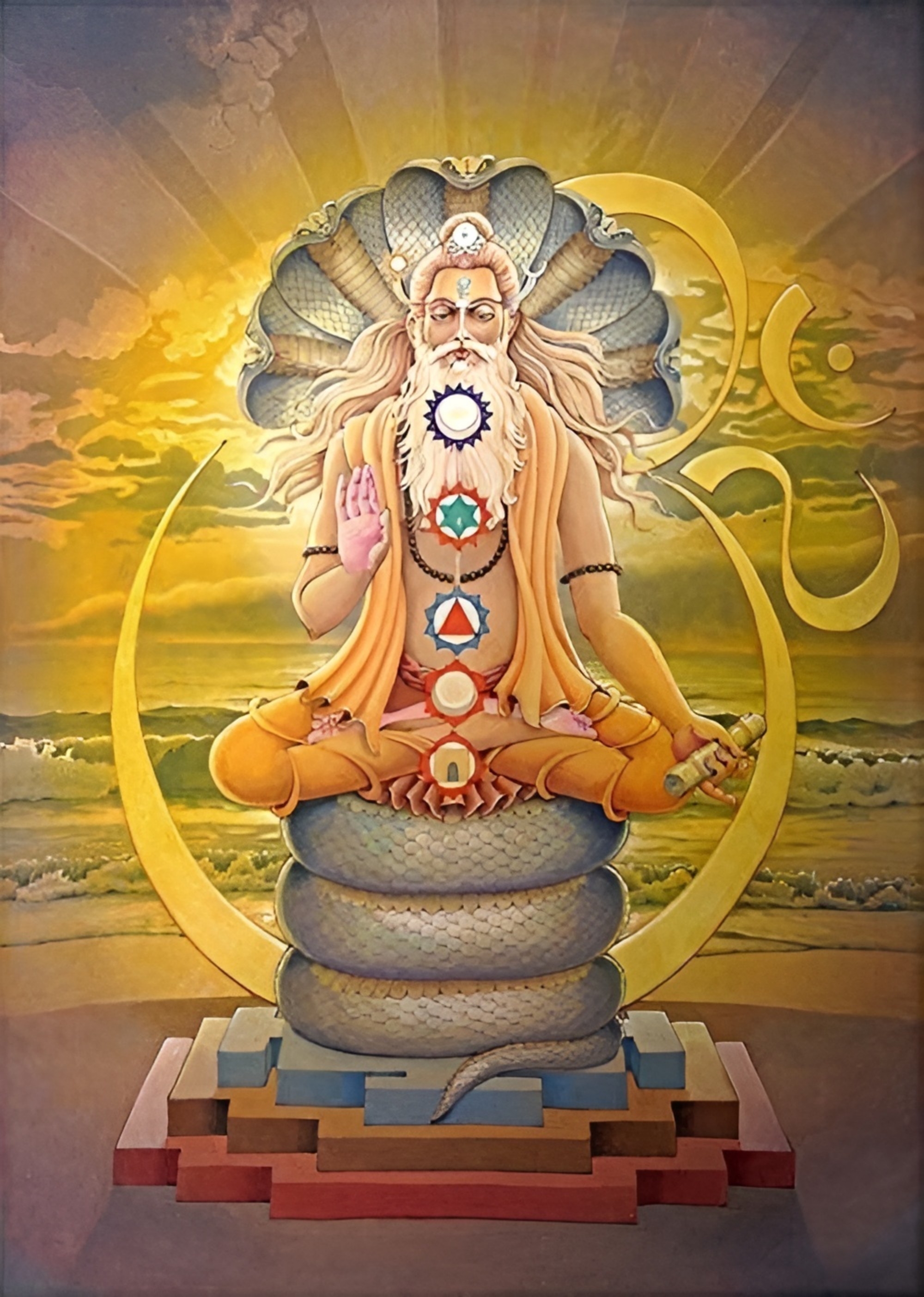
The Path of Discrimination: A Journey to Liberation
Patanjali's assertion that "discriminative knowledge is the means of liberation" invites us to explore the profound relationship between understanding and freedom. At its core, this statement emphasizes the necessity of discernment in our spiritual journey. It suggests that true liberation is not merely a matter of external circumstances but rather an internal process of recognizing and distinguishing the essence of our being from the distractions of the mind and the world around us. This understanding is crucial, as it lays the groundwork for a life that is not only free but also deeply aware.
In a world filled with noise and confusion, the call to cultivate discriminative knowledge becomes even more urgent. This knowledge, or "viveka," is not simply intellectual understanding; it is a deeper insight that allows us to see beyond the surface of our experiences. It is through this lens of discernment that we can navigate the complexities of life, making choices that align with our true nature and purpose. Thus, Patanjali's words resonate with a timeless truth: liberation is an inner journey, one that requires clarity and wisdom to traverse.
The image / the metaphor
The phrase "discriminative knowledge" conjures an image of a skilled artisan, meticulously separating the precious from the mundane. The verb "discriminate" here does not imply judgment in a negative sense; rather, it speaks to the ability to perceive and understand the nuances of existence. This knowledge acts as a light, illuminating the path toward liberation, guiding us away from the entanglements of ignorance and illusion. The felt sense of this journey is one of awakening, where each moment of clarity brings us closer to the realization of our true selves.
Diving deeper into the metaphor, we can envision the process of discrimination as akin to sifting through sand to find gold. It requires patience, dedication, and a willingness to engage with the complexities of our inner landscape. This act of discernment is not a one-time event but a continuous practice, akin to the ongoing refinement of a sculptor who chisels away at a block of marble to reveal the masterpiece within. In this way, Patanjali's teaching encourages us to embrace the journey of self-discovery, recognizing that liberation is not a destination but a process of becoming.
In the speaker's tradition
Patanjali's teachings are rooted in the ancient tradition of yoga, which emphasizes the importance of self-awareness and inner clarity. Central to this tradition is the concept of "dharma," or one's rightful path, which can only be discerned through the lens of discriminative knowledge. This knowledge allows practitioners to align their actions with their true purpose, fostering a sense of harmony and balance in their lives. Additionally, the idea of "kenosis," or self-emptying, resonates with Patanjali's message, as it invites us to let go of attachments and preconceived notions that cloud our understanding.
In the Yoga Sutras, Patanjali elaborates on the nature of knowledge and ignorance, drawing a distinction between "avidya" (ignorance) and "vidya" (knowledge). This duality is crucial for understanding the transformative power of discriminative knowledge. When we cultivate awareness of our thoughts and actions, we begin to see the patterns that bind us to suffering. As we engage with this practice, we can reference the teachings of other spiritual traditions, such as the Buddhist concept of "sunyata," or emptiness, which similarly emphasizes the importance of discerning the nature of reality to achieve liberation.
Living the teaching
Consider a modern scenario where this teaching can be applied: a person grappling with a significant life decision, such as a career change. In this moment, the practice of discriminative knowledge becomes essential. By taking the time to reflect on their values, desires, and the potential consequences of each option, they engage in a process of discernment that transcends mere pros and cons. This inner work allows them to align their choices with their authentic self, ultimately leading to a sense of liberation from societal expectations and external pressures.
Another application of this teaching can be found in relationships. Imagine a couple facing a conflict that seems insurmountable. By practicing discriminative knowledge, they can step back and examine their emotions, motivations, and the underlying issues at play. This process of reflection enables them to communicate more effectively and empathetically, fostering a deeper understanding of each other. In this way, the cultivation of discriminative knowledge not only aids in personal liberation but also enhances the quality of our connections with others, allowing love and compassion to flourish.
A reflection
As we contemplate Patanjali's profound assertion, we are invited to consider a contemplative question: What aspects of my life require discernment in order to move toward greater freedom? This inquiry encourages us to reflect on the areas where we may be operating from a place of ignorance or confusion, prompting us to seek clarity and understanding. By engaging with this question, we can begin to cultivate the discriminative knowledge that Patanjali speaks of, ultimately guiding us on our journey toward liberation.




Join the BrightStar Community
Stay connected with daily inspiration, event announcements, and community wisdom