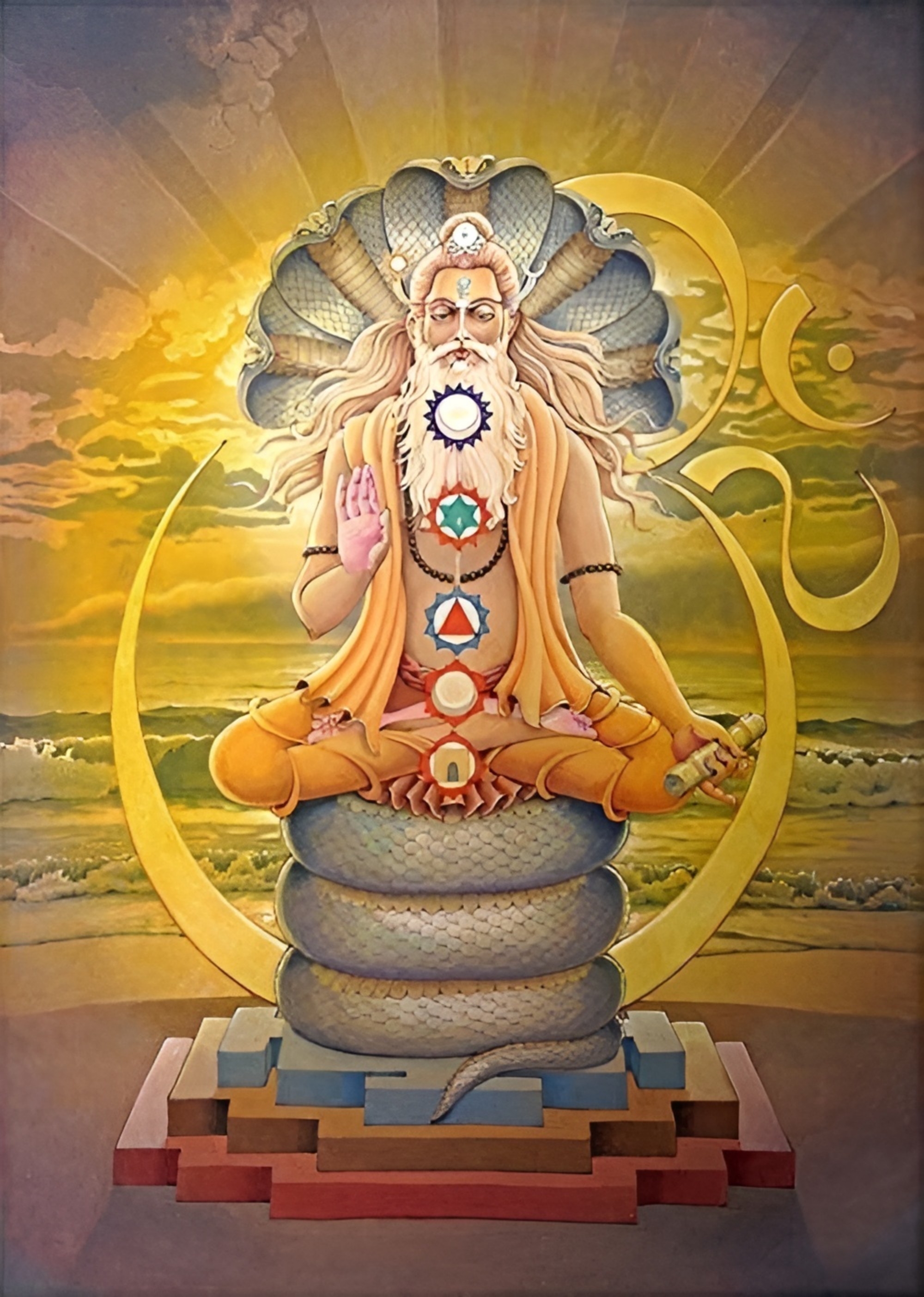
The Dance of Detachment and Action
Patanjali's assertion that "dispassion without practice leads to inaction" serves as a profound reminder of the delicate balance between detachment and engagement in our lives. In essence, he suggests that merely cultivating a sense of dispassion—an essential quality in the pursuit of spiritual growth—without the corresponding commitment to practice can result in stagnation. This insight is particularly relevant in a world that often glorifies busyness while neglecting the deeper, quieter work of inner transformation.
To fully grasp the weight of Patanjali's words, we must consider the implications of dispassion and practice as intertwined elements of a holistic spiritual journey. Dispassion, or the ability to remain unaffected by external circumstances, is not an end in itself but a means to cultivate clarity and focus. Without the grounding of practice—whether through meditation, self-reflection, or ethical living—this dispassion risks becoming a mere intellectual exercise, devoid of the transformative power that genuine engagement can bring. Thus, the stakes are high: to embody the wisdom of dispassion, one must also embrace the discipline of practice.
The image / the metaphor
The imagery in Patanjali's quote evokes a dynamic interplay between two seemingly opposing forces: dispassion and action. The term "dispassion" suggests a state of calmness and neutrality, a serene detachment from the tumult of life. In contrast, "practice" implies movement, effort, and engagement with the world. This juxtaposition creates a vivid picture of a dancer poised at the edge of the stage, embodying both stillness and readiness, waiting for the music of life to begin.
Delving deeper into this metaphor, we can envision dispassion as the still center of a spinning wheel, while practice represents the spokes that connect this center to the outer world. Without the spokes, the wheel cannot move; it remains static, unable to fulfill its purpose. Similarly, dispassion alone, without the vitality of practice, leads to a kind of paralysis. The dance of life requires both elements to create a harmonious flow, where the stillness of the center informs the movement of the spokes, allowing for a balanced and purposeful existence.
In the speaker's tradition
Patanjali's teachings are rooted in the ancient tradition of yoga, which emphasizes the integration of body, mind, and spirit. Central to this tradition is the concept of dharma, or one's duty and ethical path, which calls for active engagement with the world. Dispassion, or vairagya, is a key aspect of this journey, allowing practitioners to navigate life's challenges without being overwhelmed by attachment or desire. However, Patanjali reminds us that dispassion must be coupled with practice, or abhyasa, to cultivate true wisdom and insight.
In the Yoga Sutras, Patanjali outlines a path that encompasses both the stillness of meditation and the active pursuit of ethical living. This duality resonates with the Buddhist concept of sunyata, or emptiness, which teaches that true understanding arises not from mere detachment but from a profound engagement with the nature of reality. Similarly, the Sufi notion of fana, or self-annihilation, emphasizes the importance of surrendering the ego while simultaneously engaging in acts of love and service. Thus, Patanjali's insight reflects a broader spiritual truth: that genuine transformation requires both dispassion and dedicated practice.
Living the teaching
Consider a modern scenario where this teaching resonates: an individual grappling with the demands of a high-pressure job. They may strive to cultivate dispassion, attempting to detach from the stress and anxiety that accompany their work. However, without the practice of mindfulness or self-care, this dispassion can lead to a sense of helplessness, where they feel stuck in a cycle of inaction. By integrating practices such as meditation or regular breaks for reflection, they can transform their dispassion into a source of strength, allowing them to navigate their work with clarity and purpose.
In the realm of relationships, the teaching of dispassion coupled with practice can also be illuminating. Imagine a couple facing conflict; one partner may adopt a dispassionate stance, seeking to avoid emotional turmoil. Yet, without the practice of open communication and active listening, this detachment can create distance and misunderstanding. By embracing both dispassion and the practice of vulnerability, they can foster a deeper connection, allowing for honest dialogue that nurtures their bond. In both scenarios, the interplay of dispassion and practice becomes a vital force for growth and transformation.
A reflection
As we contemplate Patanjali's wisdom, we are invited to reflect on our own lives: In what areas do we seek to cultivate dispassion, and how can we integrate meaningful practices to support this journey? This question encourages us to explore the balance between detachment and engagement, prompting us to consider how we might embody both qualities in our daily lives. By embracing this inquiry, we open ourselves to the possibility of a more harmonious existence, where dispassion and action dance together in the rhythm of our spiritual journey.




Join the BrightStar Community
Stay connected with daily inspiration, event announcements, and community wisdom