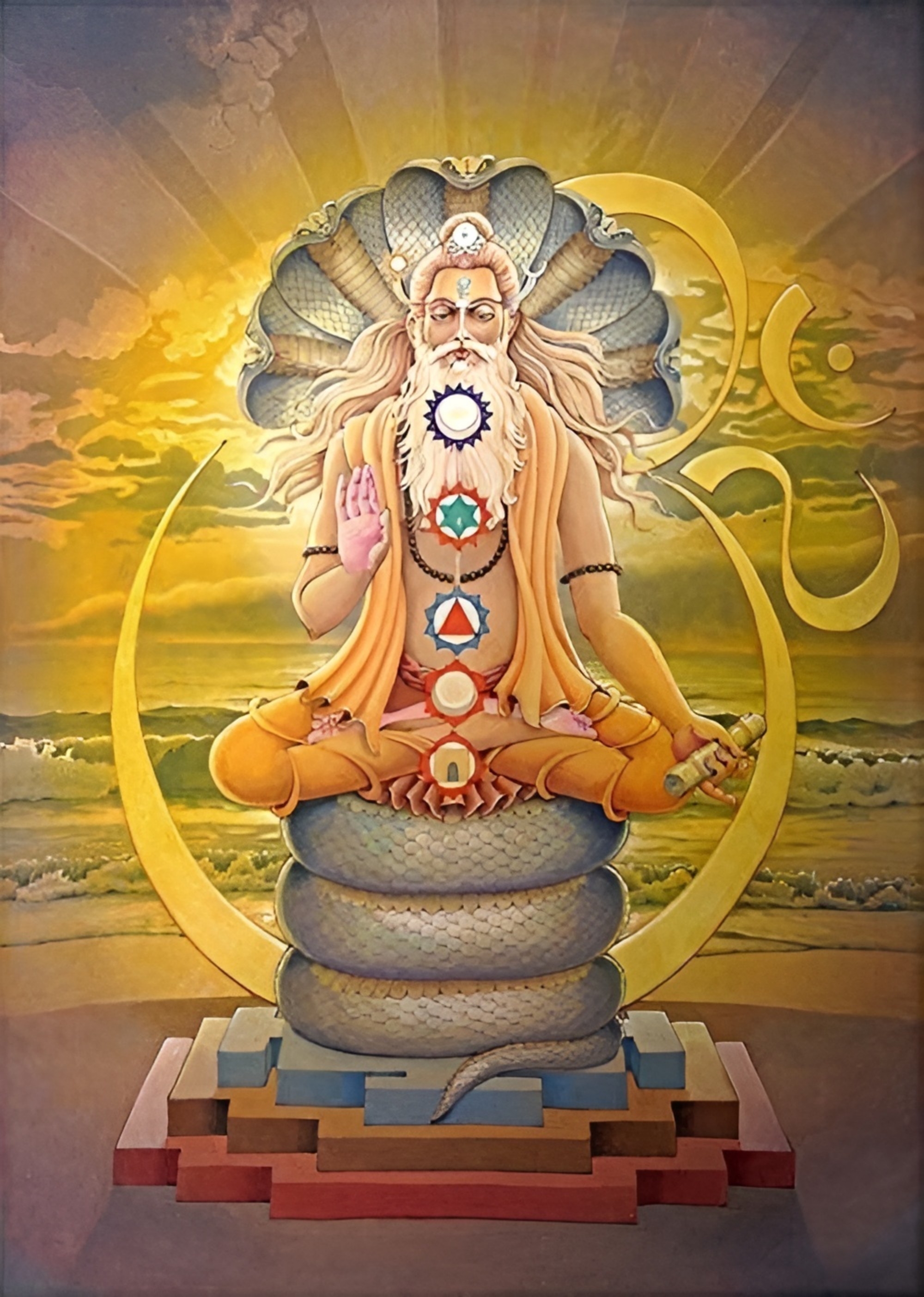
The Path of Self-Discovery and Divine Communion
Patanjali's assertion that "from self-study, communion with the chosen deity is gained" invites us to explore the profound relationship between introspection and spiritual connection. This quote encapsulates the essence of yoga as a practice that transcends mere physical postures, urging practitioners to delve into the depths of their own being. The stakes are high: in a world often distracted by external stimuli, the journey inward becomes not just a personal endeavor but a sacred pilgrimage toward understanding and unity with the divine.
In this context, self-study, or svadhyaya, serves as a foundational pillar of spiritual growth. It is through the rigorous examination of our thoughts, emotions, and actions that we begin to uncover the layers of our true selves. This process is not merely academic; it is an intimate communion with our innermost essence, which ultimately leads to a deeper relationship with the divine. The quote suggests that the act of looking inward is not a solitary endeavor but rather a pathway to experiencing the divine presence, fostering a sense of connection that is both personal and transcendent.
The image / the metaphor
The imagery within Patanjali's quote evokes a sense of journey and discovery. The term "self-study" conjures the act of peeling back the layers of one's identity, much like an archaeologist unearthing ancient artifacts. The verbs "gained" and "communion" suggest a dynamic process, where the seeker actively engages in the work of self-exploration, leading to a profound encounter with the divine. This communion is not a distant or abstract concept; rather, it is a tangible experience that arises from the commitment to understanding oneself.
Diving deeper into the metaphor, we can see that self-study is akin to cultivating a garden. Just as a gardener must tend to the soil, remove weeds, and nurture the plants, so too must we care for our inner landscape. The fruits of this labor are not merely personal insights but a blossoming relationship with the divine. This communion is characterized by a sense of belonging and love, suggesting that the more we understand ourselves, the more we can connect with the essence of the divine that resides within and around us.
In the speaker's tradition
Patanjali's teachings are situated within the broader context of yoga philosophy, which emphasizes the importance of self-realization and spiritual awakening. Concepts such as dharma, the moral order of the universe, and bhakti, the path of devotion, resonate deeply with the idea of self-study leading to communion. In this tradition, the act of turning inward is not merely for personal gain but is seen as a way to align oneself with the greater cosmic order, fostering a sense of responsibility and interconnectedness with all beings.
Moreover, the Yoga Sutras themselves serve as a guide for this journey. In Sutra 1.12, Patanjali speaks of the importance of practice (abhyasa) and detachment (vairagya) in achieving a state of stillness and clarity. This stillness is essential for genuine communion with the divine, as it allows the practitioner to transcend the distractions of the mind and experience a deeper connection with their chosen deity. The interplay of self-study and devotion creates a fertile ground for spiritual growth, where the seeker can cultivate both knowledge and love.
Living the teaching
Consider a modern scenario where an individual grapples with the demands of daily life, feeling overwhelmed by responsibilities and external expectations. In such moments, the practice of self-study becomes a refuge. By setting aside time for reflection—whether through journaling, meditation, or quiet contemplation—this person can begin to understand their motivations, fears, and desires. This introspective journey not only provides clarity but also opens the door to a more profound connection with the divine, as they recognize the sacred within their own struggles and triumphs.
In relationships, the teaching of self-study and communion can manifest in transformative ways. Imagine a couple facing a conflict; instead of reacting impulsively, each partner takes a moment to reflect on their feelings and triggers. This practice of self-awareness allows them to approach the situation with empathy and understanding, fostering a deeper connection not only with each other but also with the divine presence that underlies their love. By engaging in self-study, they create a space for communion that transcends the immediate conflict, allowing for healing and growth.
A reflection
As we contemplate Patanjali's words, we are invited to ask ourselves: How does my journey of self-study deepen my connection with the divine? This question encourages us to reflect on our own practices and the ways in which we engage with our inner selves. In this inquiry, we may discover that the path to communion is not a distant goal but a continuous process, woven into the fabric of our daily lives and relationships.


Join the BrightStar Community
Stay connected with daily inspiration, event announcements, and community wisdom