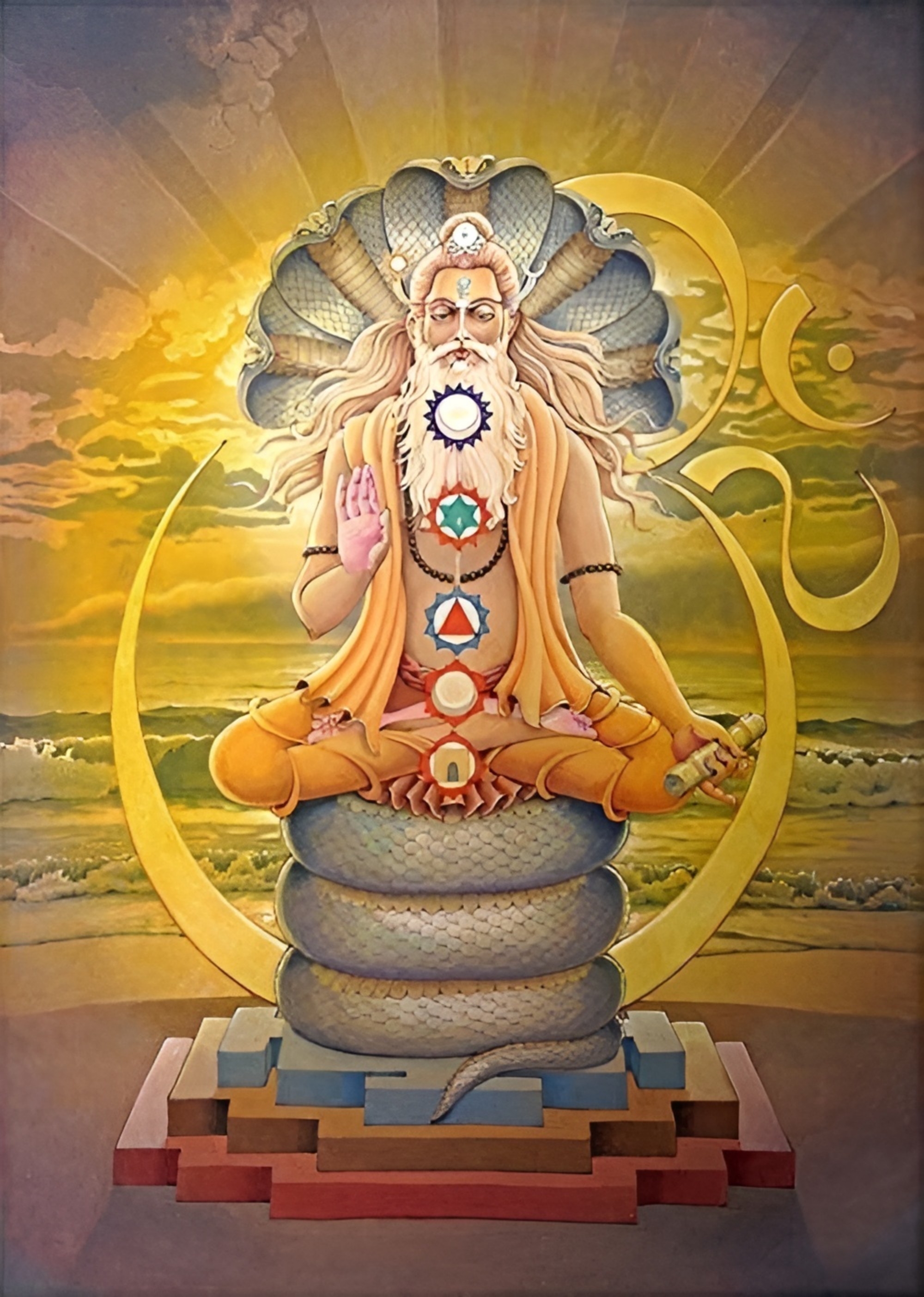
The Freedom Found in Letting Go
Patanjali's assertion that "the root of suffering is attachment" invites us to explore the profound relationship between our desires and the pain we experience in life. This statement serves as a pivotal reminder that our clinging to people, outcomes, and possessions often leads to a cycle of disappointment and distress. Understanding this connection is essential for anyone seeking a deeper sense of peace and fulfillment, as it challenges us to examine the very nature of our attachments and the suffering they engender.
As we delve deeper into this teaching, we begin to recognize that attachment is not merely a personal failing but a universal human experience. It manifests in myriad forms—our relationships, our ambitions, and even our self-identities. By acknowledging the pervasive nature of attachment, we can begin to cultivate a sense of awareness that allows us to navigate our lives with greater wisdom and compassion. This journey toward understanding is not just about relinquishing our attachments but also about embracing the freedom that comes with letting go.
The image / the metaphor
The imagery in Patanjali's quote evokes a sense of entanglement, where attachment acts as a binding force that restricts our movement and growth. The verb "is" suggests a state of being, indicating that suffering is not an external phenomenon but rather an internal condition rooted in our own clinging. This perspective invites us to visualize our attachments as heavy weights that we carry, often without realizing the burden they impose on our emotional and spiritual well-being.
Diving deeper into this metaphor, we can liken attachment to a vine that wraps itself around a tree, stifling its growth and obscuring its light. Just as the tree struggles to flourish under the weight of the vine, we too may find ourselves stunted by our attachments. The act of letting go, therefore, becomes a liberating process, akin to pruning a tree to allow it to thrive. In this way, Patanjali's teaching encourages us to cultivate a sense of detachment that fosters growth, clarity, and ultimately, a more profound connection to our true selves.
In the speaker's tradition
Patanjali's insights are deeply rooted in the tradition of yoga, which emphasizes the importance of self-awareness and the pursuit of liberation (moksha) from the cycles of suffering (samsara). Central to this tradition is the concept of dharma, or the ethical path, which guides us toward actions that align with our higher selves. The practice of letting go, as suggested by Patanjali, resonates with the idea of kenosis, or self-emptying, found in various spiritual traditions, where the relinquishing of ego and desire leads to a more profound experience of unity and peace.
In the Yoga Sutras, Patanjali elaborates on the nature of suffering and the means to transcend it through practices such as meditation and ethical living. For instance, the concept of prajna, or wisdom, is essential in discerning the nature of our attachments and understanding their impermanence. By cultivating this wisdom, we can begin to see that our attachments are often illusions, leading us away from the truth of our interconnectedness with all beings. This realization is a crucial step toward alleviating suffering and embracing a more liberated existence.
Living the teaching
Consider a modern scenario where this teaching resonates: a person who is deeply attached to their job title and the status it brings. This attachment may lead to stress, anxiety, and a sense of inadequacy when faced with challenges or changes in the workplace. By recognizing that their worth is not tied to their professional identity, they can begin to detach from this attachment, allowing for a more balanced perspective on their career and life. This shift not only alleviates suffering but also opens the door to new opportunities and experiences that may have been previously overshadowed by their fixation on status.
In the realm of relationships, attachment can manifest as possessiveness or fear of loss. Imagine a couple where one partner clings to the other out of fear of loneliness. This attachment can create tension and resentment, ultimately leading to suffering for both individuals. By practicing the art of letting go—embracing the idea that love is not ownership but rather a shared journey—they can cultivate a healthier, more fulfilling relationship. This practice of non-attachment fosters trust and allows both partners to grow individually while remaining connected in love.
A reflection
As we reflect on Patanjali's profound insight, we are invited to consider: What attachments in my life are causing me suffering, and how might I begin to let go of them? This contemplative question encourages us to engage with our inner landscape, examining the roots of our attachments and the ways they shape our experiences. By approaching this inquiry with openness and curiosity, we can embark on a transformative journey toward greater freedom and peace.




Join the BrightStar Community
Stay connected with daily inspiration, event announcements, and community wisdom