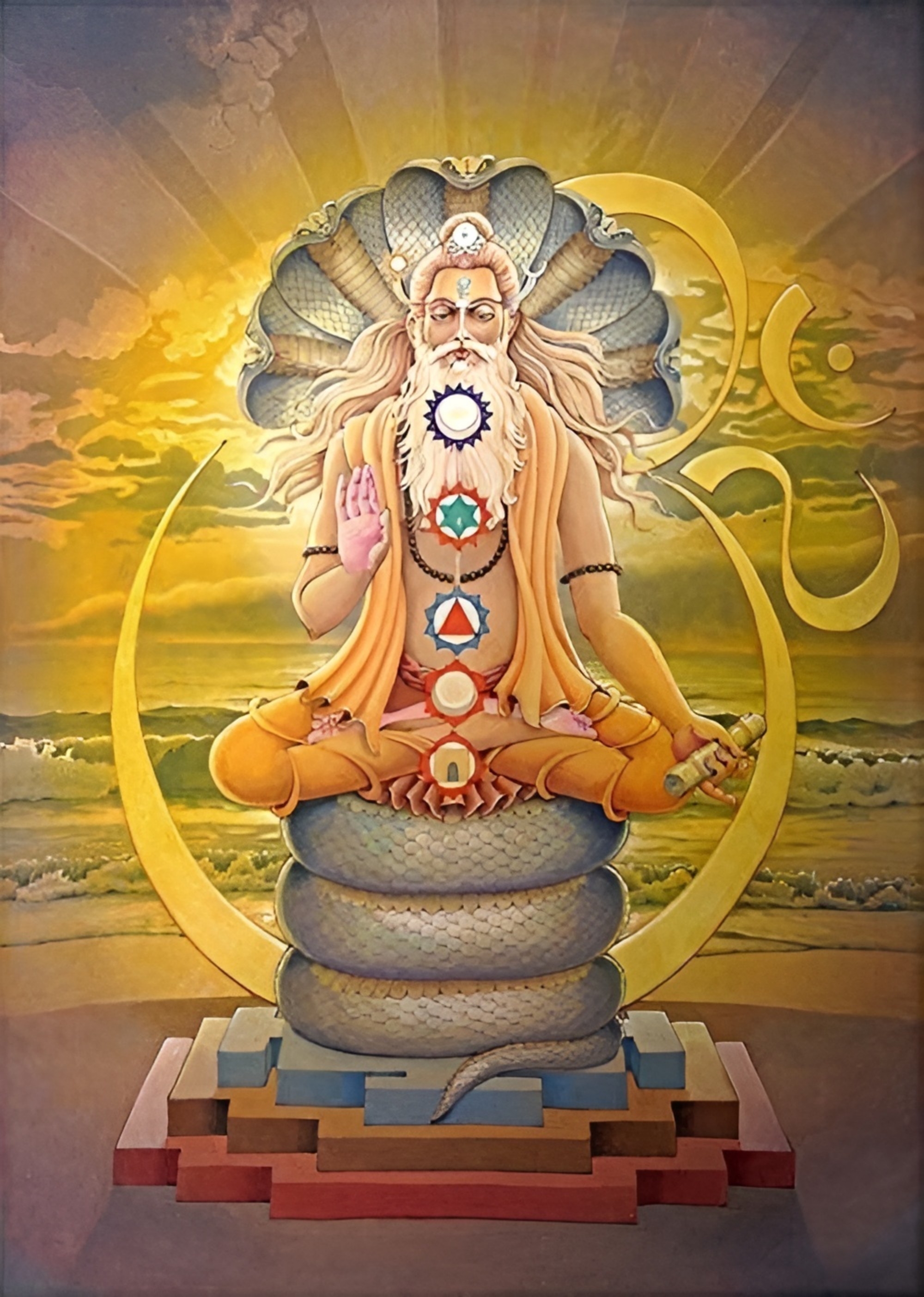
Seeing the One in the Many
The quote from Patanjali, "That which appears as many is one, only seen through different lenses," invites us to contemplate the nature of reality and perception. It suggests that the multiplicity we experience in life is merely a reflection of our limited viewpoint, obscuring the underlying unity that connects all things. This insight is not just philosophical; it has profound implications for how we navigate our relationships, our inner lives, and our understanding of the world around us.
In a world that often emphasizes division and separation, Patanjali's words serve as a reminder of the interconnectedness that underlies our existence. The lenses through which we view life—our beliefs, experiences, and emotions—shape our understanding of reality. By recognizing that these lenses can distort our perception, we open ourselves to a deeper awareness of unity, inviting a transformative shift in how we relate to ourselves and others.
The image / the metaphor
Patanjali's quote employs a vivid metaphor of lenses to illustrate how perception shapes our understanding of reality. Just as a camera lens can alter the focus and clarity of an image, our individual perspectives can obscure or illuminate the truth of our shared existence. The use of the word "many" evokes the diversity of experiences, thoughts, and feelings that populate our lives, while "one" points to the fundamental essence that binds us all together.
Diving deeper into this metaphor, we can see that the lenses represent not only our personal biases but also cultural, societal, and historical contexts that influence our worldview. Each lens offers a unique angle, yet none can capture the entirety of existence. This invites us to consider how shifting our perspective—whether through mindfulness, empathy, or contemplation—can reveal the underlying unity that exists beneath the surface of our fragmented experiences.
In the speaker's tradition
Patanjali's teachings are rooted in the ancient tradition of yoga, which emphasizes the pursuit of unity and self-realization. Central to this tradition is the concept of dharma, or the inherent order of the universe, which suggests that all beings are interconnected and play a role in the greater whole. This understanding aligns with the notion of sunyata, or emptiness, found in Buddhist philosophy, which posits that all phenomena are interdependent and lack inherent existence, further underscoring the idea that our perceptions can be misleading.
In the Yoga Sutras, Patanjali outlines the path to liberation through practices that cultivate awareness and discernment. The concept of prajna, or wisdom, is particularly relevant here, as it encourages us to see beyond the illusions created by our limited perspectives. By engaging in practices such as meditation and self-inquiry, we can begin to peel away the layers of perception that obscure our understanding of the oneness that permeates all existence, echoing the teachings of other spiritual traditions that emphasize the importance of seeing beyond the surface.
Living the teaching
Consider a modern scenario where this teaching can be applied: a workplace conflict. Imagine two colleagues who are at odds over a project. Each perceives the situation through their own lens, shaped by personal experiences and biases, leading to misunderstandings and tension. By recognizing that their differing viewpoints are merely lenses through which they interpret the same reality, they can engage in open dialogue, fostering empathy and collaboration. This shift in perception allows them to see the shared goal of their work, ultimately transforming conflict into cooperation.
In a more personal context, think about a relationship that feels strained. Often, we become entrenched in our perspectives, convinced that our feelings are the only valid ones. By applying Patanjali's teaching, we can practice stepping back and examining our perceptions. This might involve asking ourselves how our own experiences and emotions shape our understanding of the other person. In doing so, we create space for compassion and understanding, allowing the relationship to evolve from a place of division to one of unity.
A reflection
As we contemplate Patanjali's profound insight, we are invited to ask ourselves: How can I shift my perspective to recognize the underlying unity in my experiences? This question encourages us to explore the lenses through which we view our lives and relationships, prompting a deeper inquiry into the nature of our perceptions. In this exploration, we may discover that the path to understanding and connection lies not in the many, but in the one that we all share.




Join the BrightStar Community
Stay connected with daily inspiration, event announcements, and community wisdom