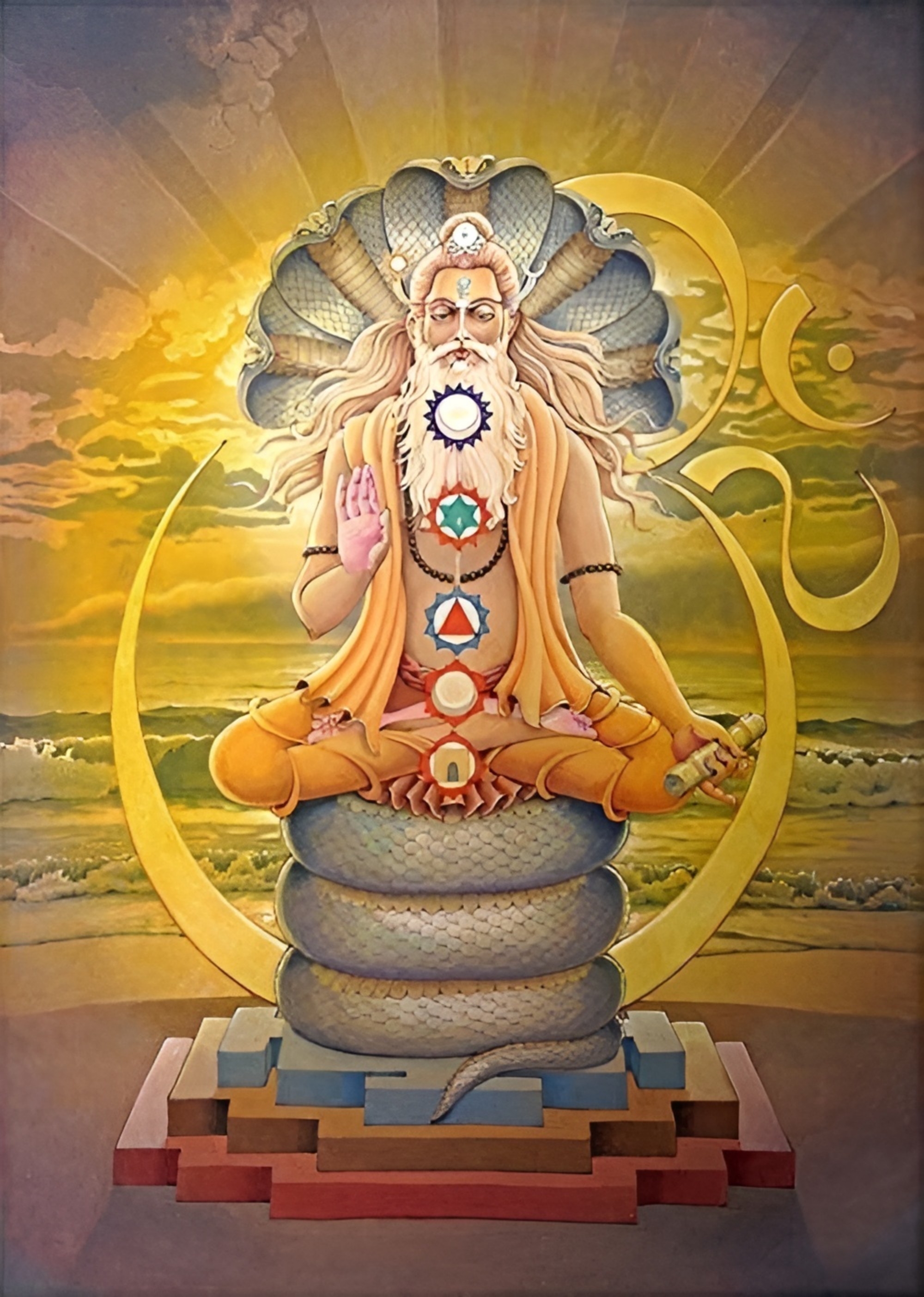
The Path to Liberation Through Discriminative Knowledge
Patanjali's assertion that "the means of attaining freedom is unbroken discriminative knowledge" invites us to explore the profound relationship between awareness and liberation. In essence, he suggests that true freedom arises not merely from external circumstances but from an inner clarity that allows us to discern the nature of our thoughts, emotions, and experiences. This understanding is crucial in a world often clouded by confusion and distraction, where the pursuit of freedom can easily become entangled in the superficial.
Delving deeper, we recognize that this discriminative knowledge is not a fleeting insight but a continuous, unwavering awareness that permeates our existence. It is a practice of discernment that enables us to navigate the complexities of life with wisdom and grace. By cultivating this knowledge, we can liberate ourselves from the chains of ignorance and illusion, ultimately leading to a more authentic and fulfilling life. The stakes are high; without this clarity, we risk remaining trapped in cycles of suffering and misunderstanding.
The image / the metaphor
The phrase "unbroken discriminative knowledge" conjures an image of a steady flame illuminating the dark corners of our minds. This flame represents the clarity and insight that comes from sustained awareness, allowing us to see beyond the surface of our experiences. The term "discriminative" suggests a refined ability to distinguish between what is real and what is illusion, between what serves our highest good and what detracts from it. The use of "unbroken" emphasizes the need for consistency in this practice; it is not enough to have moments of clarity; we must cultivate a continuous state of awareness.
Metaphorically, this unbroken knowledge can be likened to a river flowing steadily through a landscape, carving its path over time. Just as a river shapes the earth through persistent movement, so too does our ongoing practice of discernment shape our understanding and experience of life. This imagery evokes a sense of patience and commitment, reminding us that the journey toward liberation is not a sudden leap but a gradual unfolding, requiring dedication and perseverance.
In the speaker's tradition
Patanjali's teachings are rooted in the ancient tradition of yoga, which emphasizes the importance of self-awareness and inner transformation. Central to this tradition is the concept of dharma, or one's rightful path, which can only be discerned through the lens of discriminative knowledge. This aligns with the notion of prajna, or wisdom, which is cultivated through deep contemplation and understanding of the self and the universe. In this context, freedom is not merely the absence of external constraints but the presence of profound inner clarity.
In the Yoga Sutras, Patanjali elaborates on the various obstacles to achieving this clarity, such as ignorance (avidya) and attachment (raga). By recognizing and overcoming these obstacles through the practice of yoga, we can attain a state of liberation (kaivalya). This journey is echoed in other spiritual traditions, such as Buddhism, where the concept of sunyata, or emptiness, invites practitioners to see beyond the illusions of the self, fostering a similar path toward liberation through insight.
Living the teaching
Consider a modern scenario where this teaching resonates: a person grappling with anxiety in their daily life. In moments of stress, they may find themselves overwhelmed by racing thoughts and emotions, feeling trapped in a cycle of worry. By applying the principle of unbroken discriminative knowledge, they can learn to pause and observe their thoughts without judgment. This practice allows them to discern which thoughts are rooted in reality and which are mere projections of fear, ultimately leading to a sense of calm and clarity amidst chaos.
Another application of this teaching can be found in relationships. Imagine a couple facing recurring conflicts that stem from misunderstandings and assumptions. By cultivating discriminative knowledge, they can learn to communicate more effectively, recognizing the underlying patterns that contribute to their discord. This awareness fosters empathy and understanding, allowing them to navigate their differences with grace and compassion, ultimately deepening their connection and promoting a healthier relationship.
A reflection
As we reflect on Patanjali's profound insight, we are invited to consider: What areas of my life are clouded by ignorance or misunderstanding, and how might the practice of unbroken discriminative knowledge illuminate my path toward freedom? This question encourages us to engage in a contemplative inquiry, fostering a deeper understanding of ourselves and our experiences. By embracing this practice, we can begin to unravel the layers of illusion that bind us, moving toward a more liberated and authentic existence.


Join the BrightStar Community
Stay connected with daily inspiration, event announcements, and community wisdom