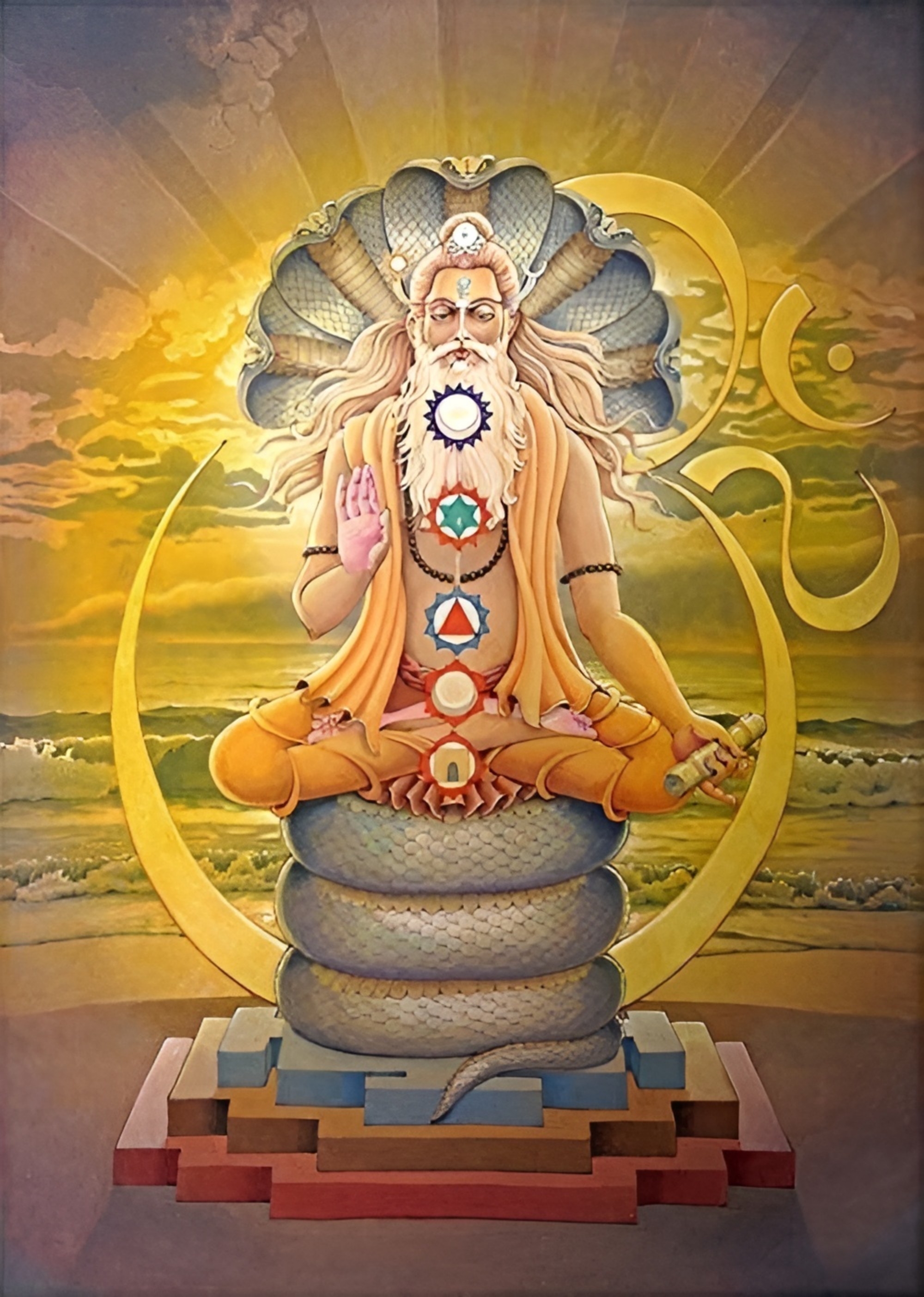
The Crystal of Stillness: Reflections on Patanjali's Wisdom
Patanjali's assertion that "the yogi whose impressions are stilled, like a clear crystal, takes on the color of whatever is near" invites us into a profound exploration of stillness and reflection. This metaphor of the crystal serves as a powerful reminder of the transformative potential inherent in a quiet mind. In a world often filled with noise and distraction, the ability to cultivate inner stillness is not merely a personal endeavor; it is a pathway to deeper understanding and connection with the world around us.
In this quote, Patanjali emphasizes the importance of mental clarity and emotional equanimity, suggesting that a yogi, through disciplined practice, can become a vessel for the experiences and energies that surround them. This notion of adaptability and receptivity is crucial for spiritual growth, as it encourages us to engage with our environment without the distortions of preconceived notions or emotional turbulence. By embodying this stillness, we can better navigate the complexities of life and foster genuine connections with others.
The image / the metaphor
The imagery of a clear crystal is striking in its simplicity yet profound in its implications. A crystal, in its unblemished state, reflects light and color without bias, embodying purity and clarity. Patanjali's choice of the word "stilled" suggests a deep tranquility, a state where the mind is free from the clutter of thoughts and distractions. This stillness allows the yogi to perceive the world as it is, uncolored by personal biases or emotional disturbances, much like a crystal that reflects the hues of its surroundings without altering them.
Diving deeper into this metaphor, we can see that the crystal not only reflects but also absorbs the qualities of its environment. This duality speaks to the yogi's capacity for empathy and understanding. When one is still and clear, they can engage with the emotions and experiences of others, fostering a sense of connection and compassion. The yogi becomes a mirror, reflecting the beauty and complexity of life while remaining anchored in their own inner peace. This dynamic interplay between self and other is essential for spiritual growth and communal harmony.
In the speaker's tradition
Patanjali's teachings are rooted in the ancient tradition of yoga, which emphasizes the importance of self-awareness and the cultivation of inner peace. Concepts such as dharma, or one's duty, and prajna, or wisdom, are integral to understanding the yogic path. The stillness that Patanjali describes is akin to the Buddhist notion of sunyata, or emptiness, where the mind is free from attachments and preconceived notions. This state of being allows the yogi to engage with the world authentically, embodying the principles of compassion and understanding that are central to both yoga and Buddhism.
In the Yoga Sutras, Patanjali outlines the eight limbs of yoga, which serve as a guide for achieving this state of stillness. The practice of meditation (dhyana) and the cultivation of mindfulness are essential components of this journey. By quieting the mind and turning inward, the yogi can access a deeper understanding of themselves and their place in the universe. This reflective practice aligns closely with the concept of kenosis, or self-emptying, found in various spiritual traditions, where one relinquishes the ego to embrace a more profound connection with the divine.
Living the teaching
Consider a modern scenario where this teaching can be applied: imagine a busy workplace filled with deadlines and constant communication. In such an environment, it is easy to become overwhelmed and reactive, allowing external pressures to dictate one's emotional state. However, by embodying the stillness that Patanjali describes, an individual can cultivate a sense of calm amidst the chaos. This practice of pausing to breathe and reflect before responding can transform interactions, fostering a more harmonious workplace and allowing for clearer communication.
In personal relationships, the application of this teaching can be equally transformative. During moments of conflict or misunderstanding, the ability to remain still and reflective can create space for empathy and understanding. Instead of reacting impulsively to a partner's words or actions, one can take a moment to breathe, observe their own emotions, and respond with clarity and compassion. This practice not only deepens the connection between individuals but also nurtures a sense of safety and trust within the relationship.
A reflection
As we contemplate Patanjali's wisdom, we are invited to consider the nature of our own stillness. How often do we allow the impressions of the world around us to shape our perceptions and reactions? In what ways can we cultivate a clearer, more reflective state of being that honors both our inner peace and the vibrancy of our surroundings? These questions encourage us to engage in a deeper exploration of our own practices and relationships, guiding us toward a more harmonious existence.


Join the BrightStar Community
Stay connected with daily inspiration, event announcements, and community wisdom