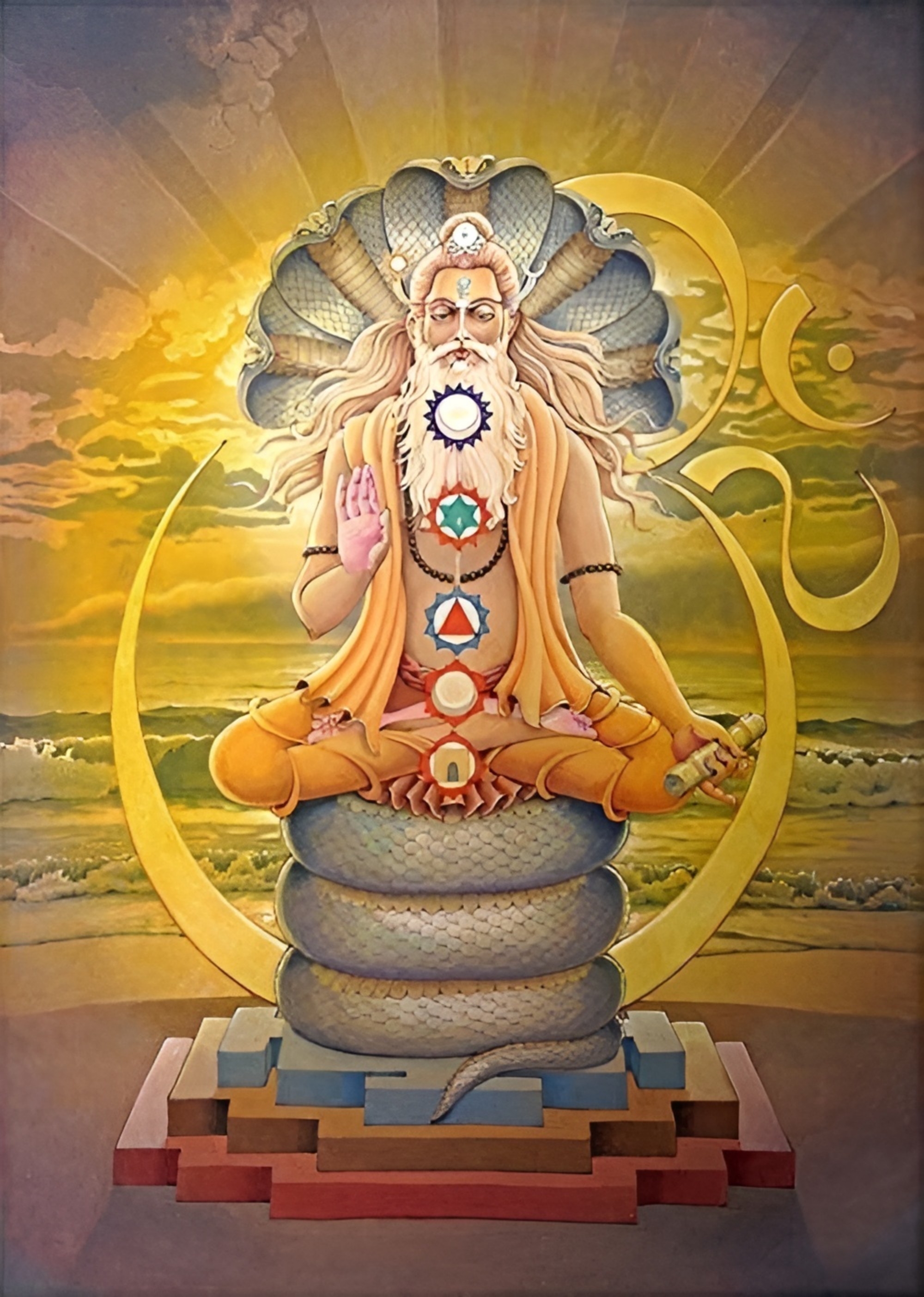
Unveiling the Seer: The Essence of Yoga Beyond the Mind
Patanjali's assertion that "to know the seer apart from the mind is the goal of yoga" invites us into a profound exploration of self-awareness and consciousness. This statement encapsulates the essence of yoga as a journey toward understanding the true nature of our being, distinct from the incessant chatter of thoughts and emotions. In a world where we often identify ourselves with our mental constructs, this teaching serves as a guiding light, urging us to transcend the limitations of the mind and connect with the deeper essence of who we are.
As we delve into this quote, we uncover the layers of meaning that speak to the heart of yoga practice. The notion of the "seer" represents our true self, the observer that exists beyond the fluctuations of the mind. This distinction is crucial, for it challenges us to discern between our thoughts and our authentic self, a task that is both liberating and daunting. By embracing this journey, we not only deepen our understanding of ourselves but also cultivate a sense of inner peace that transcends the chaos of daily life.
The image / the metaphor
The imagery of "the seer" evokes a sense of clarity and stillness, contrasting sharply with the tumultuous nature of the mind. In this context, the "seer" symbolizes the pure consciousness that witnesses our thoughts, emotions, and experiences without attachment or judgment. The verb "to know" implies an active engagement, a conscious effort to recognize and differentiate this seer from the mind's incessant activity. This distinction is not merely intellectual; it is a felt experience that requires deep introspection and practice.
Diving deeper into the metaphor, we can envision the mind as a turbulent ocean, with waves representing our thoughts and feelings. The seer, in contrast, is the calm observer, standing on the shore, witnessing the waves without being swept away by them. This imagery highlights the transformative potential of yoga: through disciplined practice, we learn to cultivate a sense of detachment from the mind's fluctuations, allowing us to experience a profound sense of peace and clarity. The journey toward knowing the seer is akin to learning to navigate the ocean, finding stability amidst the storms of life.
In the speaker's tradition
Patanjali's teachings are rooted in the ancient tradition of yoga, which emphasizes the importance of self-realization and the pursuit of truth. Central to this tradition is the concept of dharma, or one's true path, which aligns closely with the idea of knowing the seer. By understanding our true nature, we can align our actions with our highest purpose, fostering a sense of harmony within ourselves and with the world around us. This journey also resonates with concepts such as kenosis, the self-emptying of the ego, and sunyata, the emptiness that allows for true insight and understanding.
In the Yoga Sutras, Patanjali outlines the eight limbs of yoga, which serve as a roadmap for this journey toward self-awareness. The practice of meditation (dhyana) and contemplation (samadhi) are particularly relevant here, as they guide practitioners in quieting the mind and turning their attention inward. This inward journey is echoed in various spiritual traditions, where the quest for self-knowledge is seen as essential for spiritual growth. For instance, the Sufi concept of fana, or annihilation of the self, parallels the idea of transcending the mind to connect with the divine essence within.
Living the teaching
Consider a modern scenario where this teaching can be applied: a busy professional overwhelmed by the demands of work and life. In the midst of deadlines and responsibilities, the individual may find themselves caught in a whirlwind of thoughts, identifying solely with their roles and tasks. By practicing yoga and meditation, they can begin to cultivate the awareness of the seer, recognizing that their true self exists beyond the chaos of their mind. This realization can lead to a profound shift in perspective, allowing them to approach challenges with greater clarity and calmness.
Another application of this teaching can be found in interpersonal relationships. Imagine a moment of conflict where emotions run high, and misunderstandings arise. By remembering Patanjali's wisdom, one can pause and connect with the seer within, observing the situation without being consumed by reactive thoughts. This practice of discrimination enables individuals to respond with compassion and understanding, fostering deeper connections and resolving conflicts with grace. In both scenarios, the journey toward knowing the seer transforms not only the individual but also their interactions with the world.
A reflection
As we reflect on Patanjali's profound teaching, we are invited to consider the nature of our own awareness. Are we often lost in the currents of our thoughts, or do we take moments to connect with the deeper essence of our being? In what ways can we cultivate the practice of knowing the seer apart from the mind in our daily lives? This contemplative inquiry encourages us to explore the richness of our inner landscape, guiding us toward a more authentic and peaceful existence.




Join the BrightStar Community
Stay connected with daily inspiration, event announcements, and community wisdom