Embracing the Uncomfortable: A Path to Acceptance
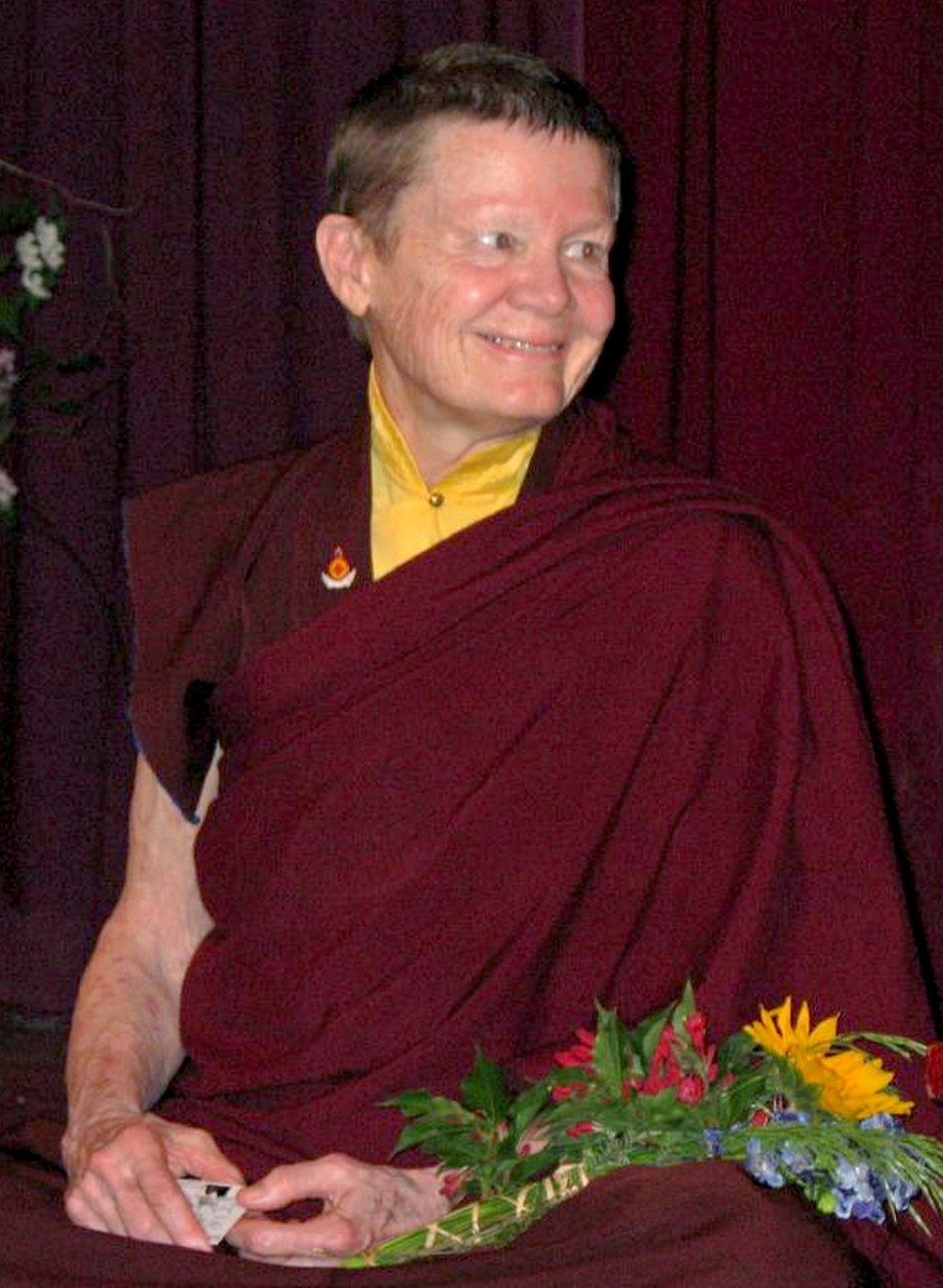
Pema Chödrön invites us to cultivate a relationship with our inner turmoil—our restlessness, anxiety, and fear—suggesting that by doing so, we can learn to accept reality as it is. This profound insight speaks to the heart of human experience, where discomfort often leads to resistance and suffering. The stakes are high: in a world that constantly pushes us toward distraction and avoidance, learning to befriend our discomfort can transform our relationship with ourselves and the world around us.
At its core, this teaching encourages us to shift our perspective on the emotions and sensations that we typically view as negative. Instead of viewing restlessness and fear as adversaries to be vanquished, Chödrön suggests that we can approach them with curiosity and compassion. This shift is not merely a psychological exercise; it is a spiritual practice that invites us to engage with the fullness of our experience, fostering a deeper understanding of ourselves and the nature of reality.
The image / the metaphor
The imagery in Chödrön's quote evokes a sense of intimacy with our inner landscape. The verbs "make friends with" suggest a gentle, nurturing approach to our emotional states, as if we are inviting these feelings to sit with us rather than pushing them away. This act of befriending implies a willingness to engage with our discomfort, to sit with it, and to understand it rather than flee from it. The felt sense of this process is one of warmth and acceptance, a softening of the heart toward the very experiences we often wish to escape.
Diving deeper into the metaphor, we can see that making friends with our anxiety and fear is akin to embracing the shadows within us. It is an acknowledgment that these feelings are part of our human condition, not aberrations to be eliminated. By welcoming them, we create space for a more authentic existence, one where we can experience life in its entirety—both the light and the dark. This metaphor of friendship suggests a dialogue with our inner selves, where we learn to listen and respond with kindness rather than judgment.
In the speaker's tradition
Pema Chödrön's teachings are deeply rooted in the Buddhist tradition, which emphasizes the importance of acceptance and the nature of suffering. Concepts such as *dukkha*—the inherent unsatisfactoriness of life—are central to understanding why befriending our discomfort is essential. In Buddhism, the practice of *mindfulness* encourages us to observe our thoughts and feelings without attachment, allowing us to see them clearly and respond wisely. This aligns with Chödrön's invitation to relax with reality just as it is, fostering a sense of *sunyata*, or emptiness, where we can let go of rigid definitions of self and experience.
A relevant text that echoes this sentiment is the *Heart Sutra*, which teaches that form is emptiness and emptiness is form. This profound realization invites us to see that our fears and anxieties are not fixed entities but rather transient experiences that arise and pass away. By understanding this, we can cultivate a sense of spaciousness within ourselves, allowing us to navigate our emotional landscape with greater ease and acceptance.
Living the teaching
Consider a modern scenario where this teaching might resonate: a person facing a challenging work environment filled with uncertainty and pressure. Instead of succumbing to anxiety, they might choose to sit quietly with their feelings, acknowledging the discomfort without judgment. By recognizing their anxiety as a natural response to the situation, they can begin to explore it, asking themselves what it reveals about their values and desires. This practice of befriending their feelings allows them to approach their work with a renewed sense of clarity and purpose, rather than being paralyzed by fear.
In a different context, imagine a relationship where one partner feels restless and anxious about the future. Instead of projecting those feelings onto their partner or the relationship itself, they might take time to reflect on their emotions, understanding that these feelings are part of their personal journey. By sharing their experience openly and honestly, they create an opportunity for deeper connection and understanding, transforming potential conflict into a space for growth and intimacy. This practice of vulnerability and acceptance can strengthen the bond between partners, allowing both to navigate their fears together.
A reflection
As we contemplate Chödrön's words, we are invited to consider how we relate to our own discomfort. What would it mean to truly make friends with your restlessness, anxiety, and fear? In what ways can you begin to relax with reality just as it is, rather than how you wish it to be? This inquiry invites us to explore the depths of our experience, fostering a compassionate relationship with ourselves and the world around us.


Join the BrightStar Community
Stay connected with daily inspiration, event announcements, and community wisdom