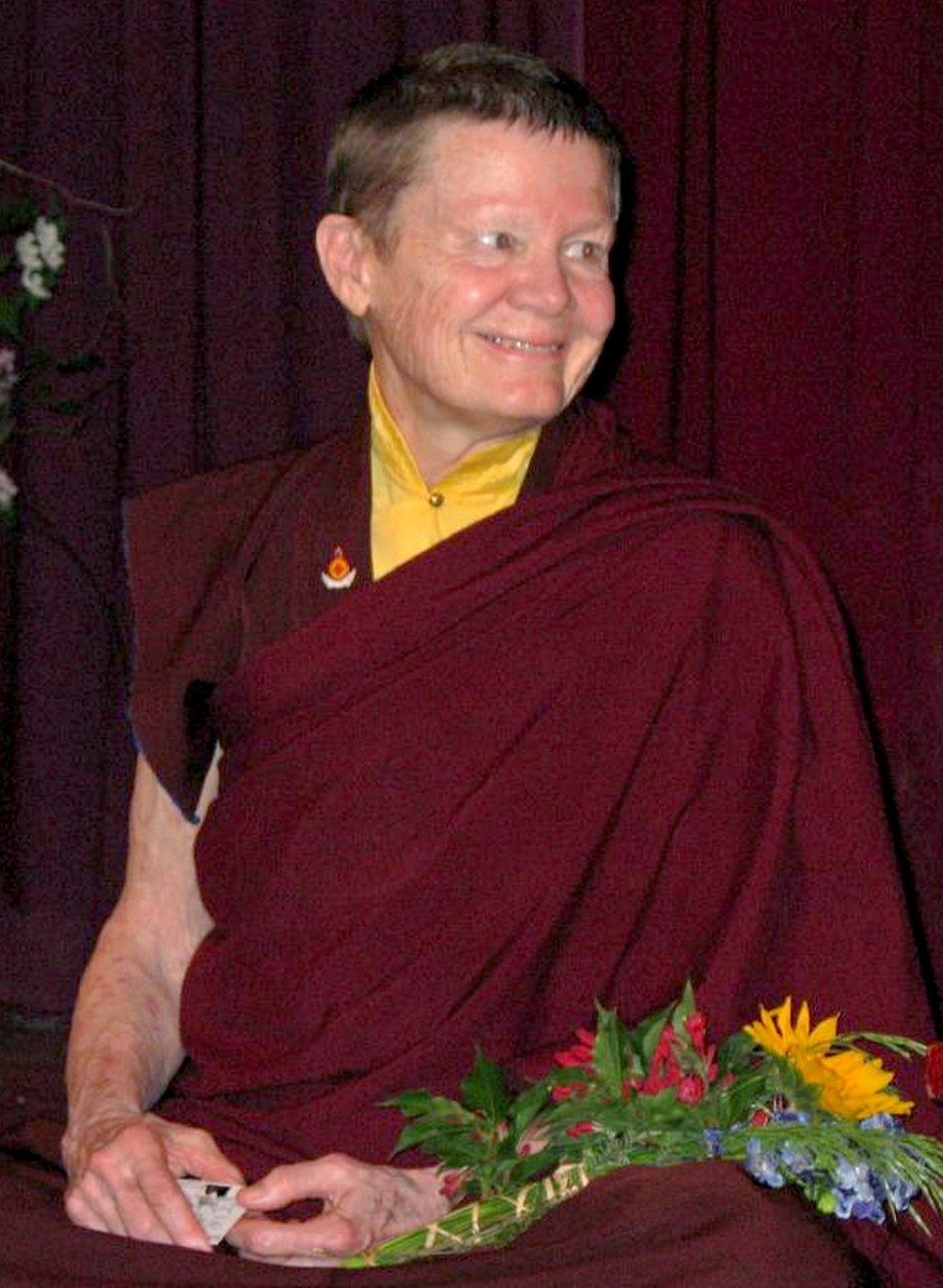
Embracing the Present: The Wisdom of Starting Where You Are
Pema Chödrön's quote, "Begin where you are. Use what you have. Do what you can," invites us to engage with our current reality rather than waiting for ideal circumstances to take action. This sentiment resonates deeply in a world often characterized by a relentless pursuit of perfection and an overwhelming sense of inadequacy. By grounding ourselves in the present moment and recognizing the resources at our disposal, we can cultivate a sense of agency and empowerment that is both liberating and transformative.
In a culture that frequently glorifies the unattainable, Chödrön's words serve as a gentle reminder that the journey of personal growth and spiritual development begins with acceptance of our current state. This acceptance does not imply complacency; rather, it encourages us to acknowledge our limitations and strengths alike. By doing so, we can foster a more compassionate relationship with ourselves and others, ultimately leading to a more authentic and meaningful existence.
The image / the metaphor
The imagery in Chödrön's quote is both simple and profound. The verbs "begin," "use," and "do" evoke a sense of action and immediacy, urging us to step into the flow of life as it is, rather than how we wish it to be. The phrase "where you are" emphasizes the importance of the present moment, suggesting that our current circumstances, no matter how imperfect, are the fertile ground from which growth can emerge. This grounding in reality is a powerful metaphor for the spiritual journey, which often requires us to confront our fears and insecurities head-on.
Diving deeper into the metaphor, we can see that "using what you have" speaks to the notion of sufficiency. It invites us to recognize the inherent value in our existing resources—be they emotional, intellectual, or material. This perspective shifts our focus from scarcity to abundance, allowing us to appreciate the tools we possess for navigating life's challenges. In this way, Chödrön's teaching encourages us to cultivate a mindset of gratitude and creativity, transforming our limitations into opportunities for growth.
In the speaker's tradition
Pema Chödrön's teachings are deeply rooted in the Buddhist tradition, which emphasizes the importance of mindfulness and the acceptance of impermanence. Concepts such as dharma, the natural law that governs the universe, and sunyata, or emptiness, resonate with the essence of her quote. By beginning where we are, we align ourselves with the dharma, acknowledging that our current experiences are valid and worthy of exploration. This acceptance is a crucial step in the path toward enlightenment, as it allows us to cultivate awareness and compassion for ourselves and others.
In her book "Start Where You Are," Chödrön draws upon the teachings of the Buddha, particularly the Four Noble Truths, which highlight the reality of suffering and the path to liberation. By recognizing our present circumstances and engaging with them fully, we can begin to understand the nature of our suffering and the ways in which we can alleviate it. This process of self-inquiry and acceptance is essential for developing prajna, or wisdom, which ultimately leads us toward a deeper understanding of ourselves and the world around us.
Living the teaching
Consider a modern scenario where this teaching might resonate: an individual grappling with the desire to pursue a new career path. They may feel overwhelmed by the perceived barriers—lack of experience, financial constraints, or fear of failure. By embracing Chödrön's wisdom, they can begin to assess their current situation, recognizing the skills and resources they already possess. This could mean leveraging their existing network, seeking mentorship, or dedicating time to skill development. Rather than waiting for the perfect moment, they can take small, actionable steps toward their goal, fostering a sense of progress and empowerment.
In the context of relationships, Chödrön's quote can also provide valuable insight. Imagine a couple facing communication challenges; they may feel stuck in patterns of misunderstanding and frustration. By applying the principle of "begin where you are," they can acknowledge their current emotional states and the limitations of their communication styles. This recognition allows them to approach their conversations with greater empathy and openness, using the tools they have—such as active listening and vulnerability—to bridge the gap between them. In this way, the practice of beginning with what is can lead to deeper connections and healing.
A reflection
As we contemplate Pema Chödrön's invitation to "begin where you are," we might ask ourselves: What is one area of my life where I have been waiting for the perfect conditions to take action? This question encourages us to reflect on our own hesitations and the ways in which we might be holding ourselves back. By embracing the present moment and the resources we have, we can unlock the potential for growth and transformation that lies within each of us.




Join the BrightStar Community
Stay connected with daily inspiration, event announcements, and community wisdom