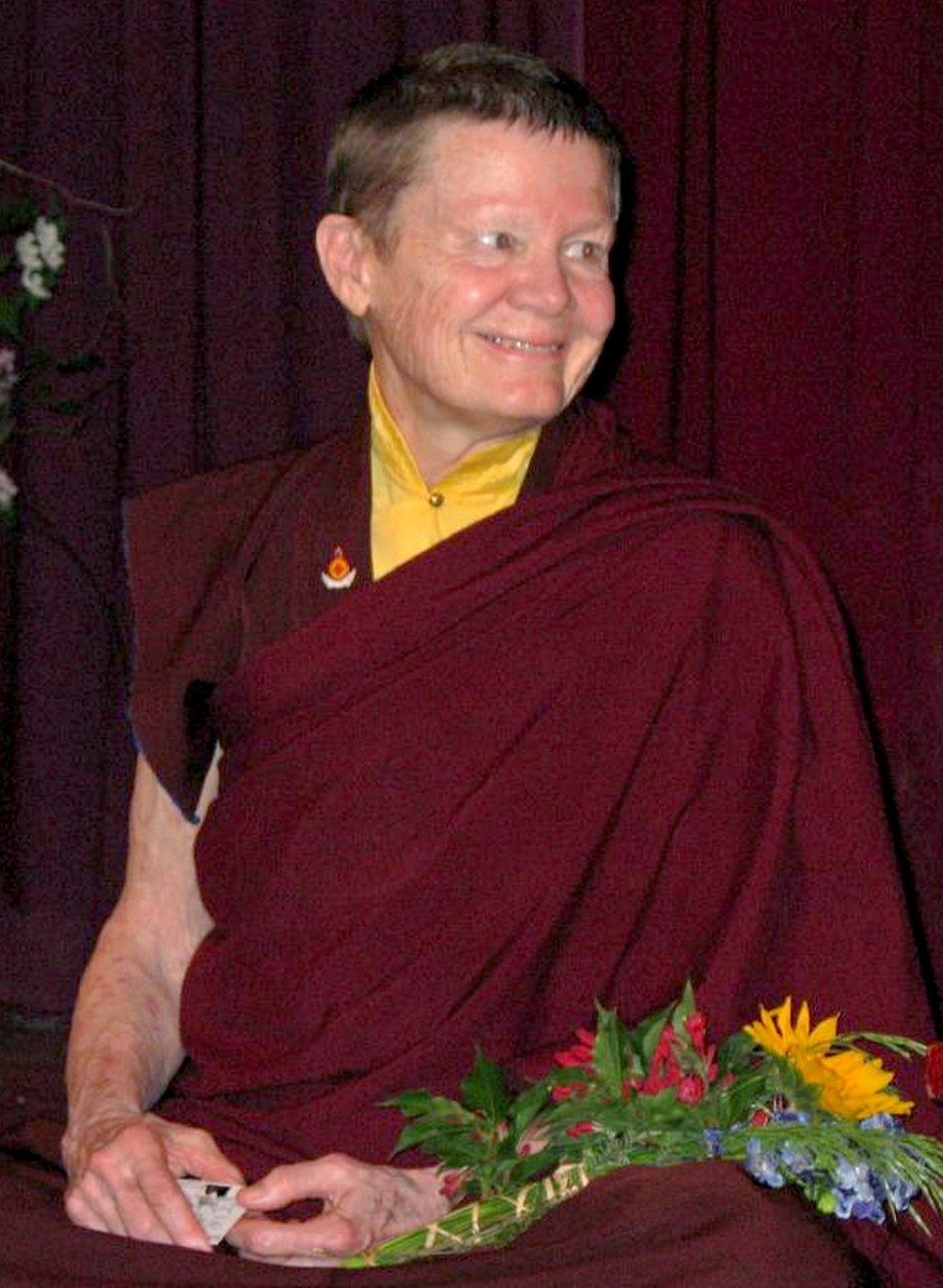
The Tenderness of Bodhichitta: Embracing Our Soft Spot
Pema Chödrön's assertion that "Bodhichitta is the soft spot, the place where we are tender and open" invites us to explore the profound vulnerability inherent in our human experience. This notion of bodhichitta, often translated as "the awakened heart," serves as a reminder that our capacity for compassion and connection arises from our willingness to acknowledge and embrace our own tenderness. In a world that often prizes strength and resilience, this perspective challenges us to reconsider what it means to be strong, suggesting that true strength lies in our openness to our own vulnerabilities.
By recognizing bodhichitta as a "soft spot," Chödrön encourages us to cultivate an awareness of our inner landscape, where fear, pain, and joy coexist. This tender space is not merely a passive state of being; it is an active engagement with our emotions and experiences. In acknowledging our own vulnerabilities, we create a fertile ground for compassion, not only for ourselves but also for others. This exploration of tenderness becomes a pathway to deeper understanding and connection, both within ourselves and in our relationships with the world around us.
The image / the metaphor
The imagery of a "soft spot" evokes a sense of fragility and openness, suggesting a place where we can be touched and moved by our experiences. The term "tender" implies a gentle quality, one that is often associated with vulnerability. In this context, the verbs chosen—"tender" and "open"—invite us to consider how we might approach our emotional lives with a sense of care and receptivity. This soft spot is not a weakness; rather, it is a profound strength that allows us to connect with our true selves and with others.
Diving deeper into the metaphor, we can see that this soft spot represents the intersection of our pain and our capacity for love. It is a reminder that our wounds can become sources of wisdom and compassion. When we allow ourselves to be vulnerable, we create space for healing, both personally and collectively. This tender openness can serve as a bridge, connecting us to the shared human experience of suffering and joy, ultimately leading us toward a more compassionate existence.
In the speaker's tradition
Pema Chödrön's teachings are deeply rooted in the Buddhist tradition, particularly in the concept of bodhichitta, which is central to Mahayana Buddhism. Bodhichitta embodies the aspiration to attain enlightenment for the benefit of all beings, emphasizing the interconnectedness of all life. This notion resonates with the idea of kenosis, or self-emptying, found in various spiritual traditions, where one relinquishes the ego to embrace a more expansive sense of self. In this light, bodhichitta becomes a practice of opening oneself to the suffering of others while simultaneously acknowledging our own vulnerabilities.
A relevant text that echoes this sentiment is the "Bodhisattva's Vow," which articulates the commitment to cultivate compassion and wisdom for the sake of all sentient beings. This vow serves as a guiding principle for those on the path of awakening, reminding us that our soft spot is not merely a personal experience but a collective journey. By nurturing our bodhichitta, we align ourselves with the greater dharma, fostering a sense of unity and compassion that transcends individual suffering.
Living the teaching
Consider a modern scenario where this teaching might resonate: a colleague at work is struggling with a personal issue, and you notice their distress. In that moment, the invitation to connect with your own soft spot becomes clear. Instead of offering platitudes or retreating into your own busyness, you choose to approach them with tenderness and openness. By acknowledging your own vulnerabilities, you create a safe space for them to share their feelings, fostering a deeper connection that transcends the usual boundaries of workplace interactions.
In a different application, imagine a difficult moment in a close relationship where misunderstandings have led to tension. Rather than reacting defensively, you might pause to reflect on your own soft spot—the fears and insecurities that underlie your reactions. By embracing this tenderness, you can approach the conversation with empathy, allowing for a more authentic dialogue that honors both your feelings and those of your partner. This practice of living from bodhichitta transforms conflict into an opportunity for growth and connection.
A reflection
As we contemplate Pema Chödrön's insight into bodhichitta, we are invited to explore the depths of our own tenderness. What does it mean for you to embrace your soft spot? In what ways can you cultivate this openness in your daily life, allowing it to inform your interactions with yourself and others? Reflecting on these questions can lead to a deeper understanding of how vulnerability can be a source of strength and compassion, guiding us toward a more connected existence.


Join the BrightStar Community
Stay connected with daily inspiration, event announcements, and community wisdom