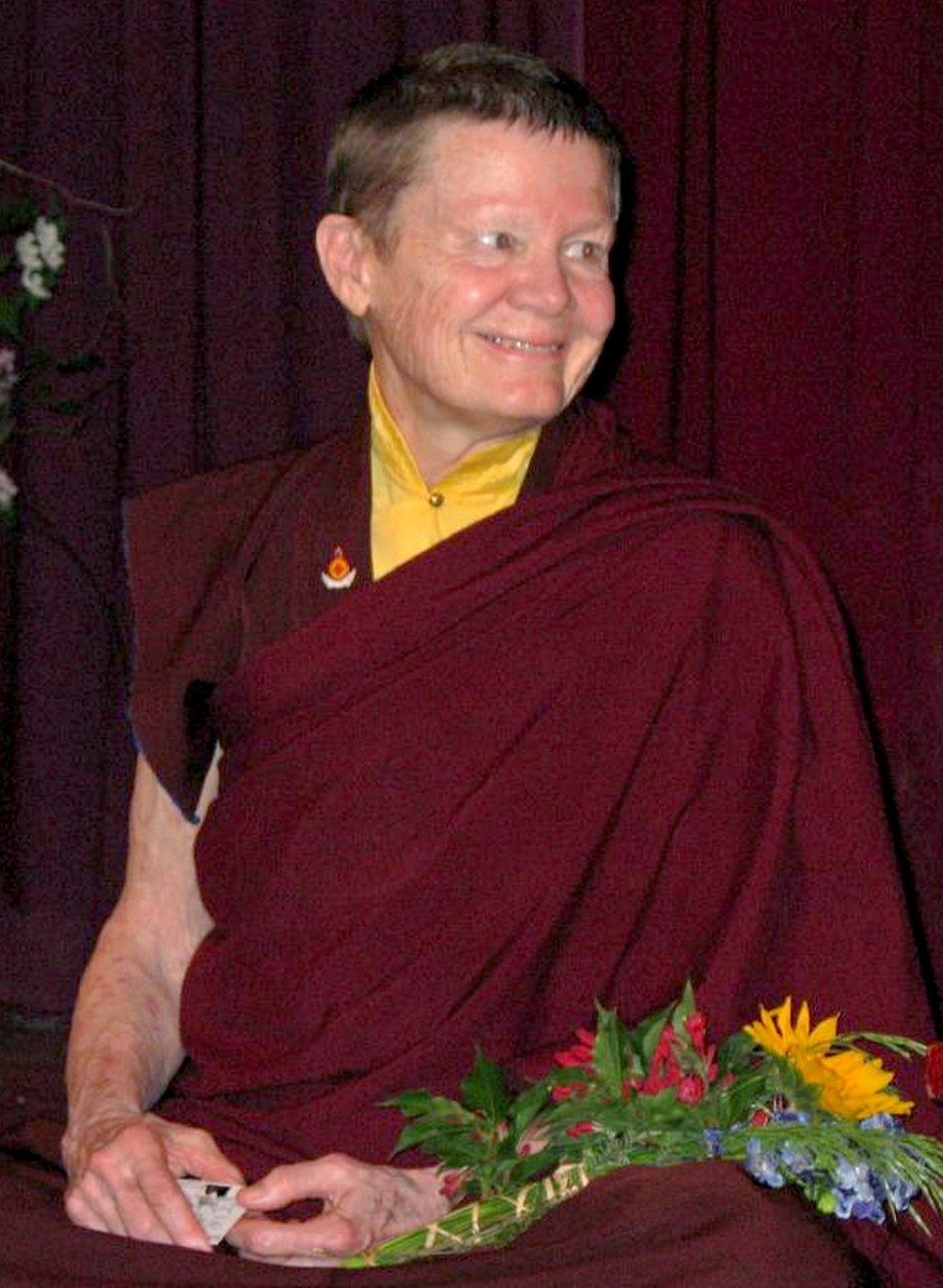
The Gift of Solitude: Embracing Cool Loneliness
Pema Chödrön's assertion that "cool loneliness allows us to look honestly and without aggression at our own minds" invites us to reconsider our relationship with solitude. In a world that often equates loneliness with despair, Chödrön offers a transformative perspective: loneliness can be a space for introspection and clarity. This understanding is vital, as it encourages us to confront our inner landscapes without the distractions of external validation or societal expectations.
By framing loneliness as "cool," Chödrön suggests a state of calm detachment rather than emotional turmoil. This nuanced view allows us to engage with our thoughts and feelings in a way that is gentle and non-confrontational. In doing so, we can cultivate a deeper awareness of our mental processes, fostering a sense of honesty that is often obscured by the noise of daily life. The stakes are high; in embracing this form of solitude, we may uncover insights that lead to profound personal growth and understanding.
The image / the metaphor
The imagery of "cool loneliness" evokes a sense of tranquility and spaciousness. Unlike the sharp edges of painful isolation, this coolness suggests a refreshing clarity, a moment to breathe and reflect. The verbs "look honestly" and "without aggression" imply a gentle approach to self-examination, one that encourages curiosity rather than judgment. This metaphor invites us to envision loneliness not as a void to be filled, but as a fertile ground for self-discovery.
Diving deeper into the metaphor, we can see that "cool loneliness" serves as a sanctuary for the mind. It is a place where we can sit with our thoughts, allowing them to surface without the urgency to act upon them. This stillness creates an environment conducive to understanding the complexities of our emotions and beliefs. In this space, we can observe our mental patterns, recognizing them as transient rather than permanent fixtures of our identity.
In the speaker's tradition
Pema Chödrön's teachings are deeply rooted in the Buddhist tradition, which emphasizes the importance of mindfulness and self-awareness. Concepts such as dharma, the path of truth, and sunyata, the notion of emptiness, resonate with her perspective on loneliness. In Buddhism, the practice of looking inward is essential for cultivating wisdom and compassion, both for oneself and for others. Chödrön's invitation to embrace loneliness aligns with the idea of kenosis, or self-emptying, where one lets go of preconceived notions to experience life more fully.
In her book "When Things Fall Apart," Chödrön draws upon the teachings of the Buddha, who encouraged practitioners to face their suffering with openness and curiosity. This approach echoes the teachings found in the Satipatthana Sutta, which outlines the foundations of mindfulness. By observing our thoughts and feelings without attachment, we can cultivate a sense of equanimity that allows us to navigate life's challenges with grace and understanding.
Living the teaching
Consider a modern scenario where this teaching can be applied: imagine a person who has just experienced a significant life change, such as a breakup or job loss. In the initial aftermath, feelings of loneliness may arise, often accompanied by a desire to distract oneself from the pain. However, by embracing "cool loneliness," this individual can take a step back and reflect on their emotions without the pressure to immediately resolve them. This space allows for honest self-exploration, leading to insights that can inform future decisions and foster healing.
In a different context, think about how this teaching can manifest in relationships. When conflicts arise, it is easy to react with aggression or defensiveness. However, if we can cultivate a sense of cool loneliness, we might approach these situations with a calm mind, allowing us to listen deeply and respond thoughtfully. This practice not only enhances our understanding of ourselves but also fosters healthier communication and connection with others, ultimately enriching our relationships.
A reflection
As we contemplate Pema Chödrön's words, we are invited to consider the nature of our own loneliness. Are we able to embrace solitude as a space for honest reflection, or do we shy away from it in fear of what we might discover? In this moment of introspection, let us ask ourselves: How can we cultivate a relationship with our loneliness that fosters growth and understanding, rather than avoidance and fear?




Join the BrightStar Community
Stay connected with daily inspiration, event announcements, and community wisdom