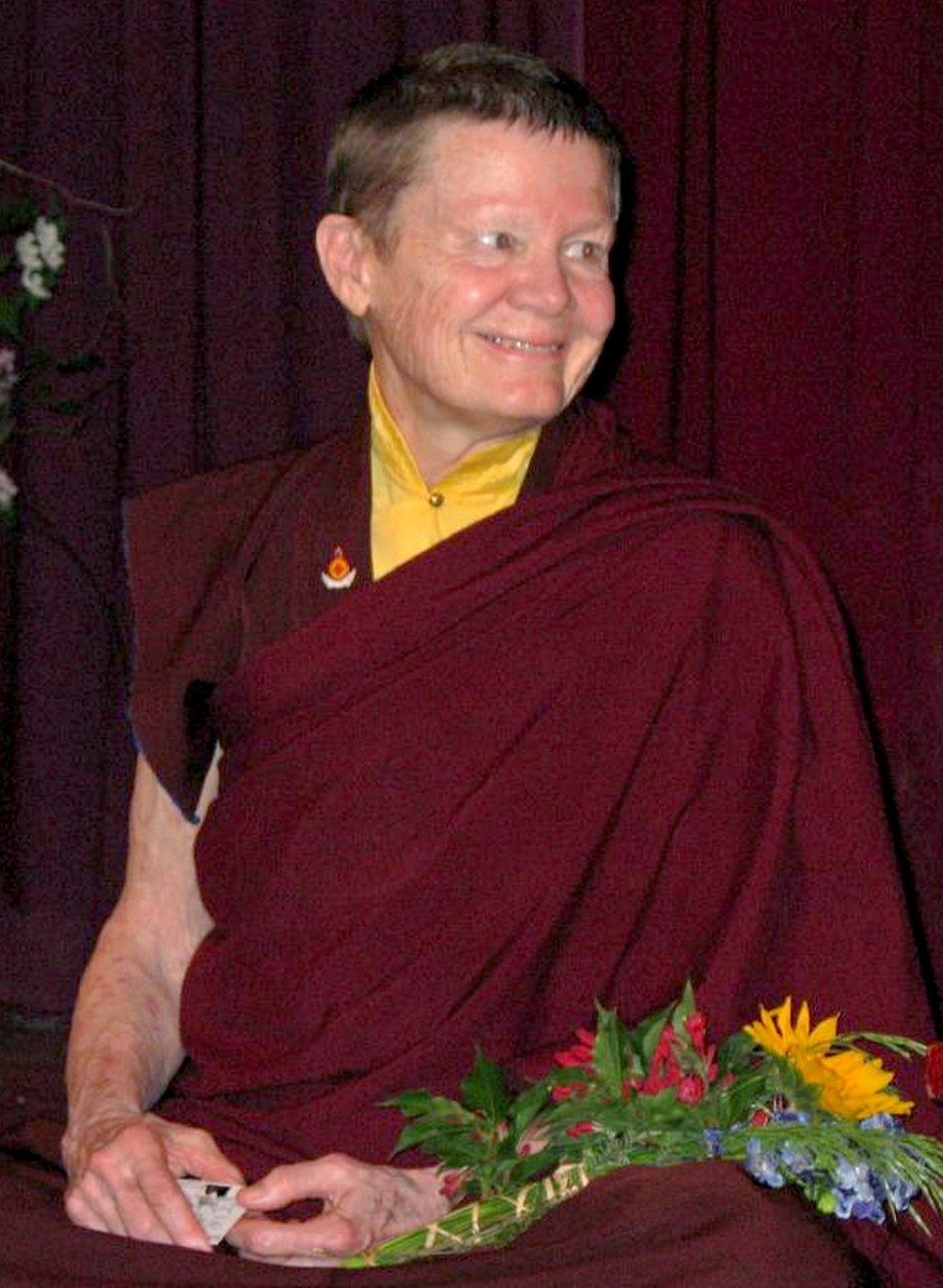
The Awakening Within Our Pain
Pema Chödrön's assertion that "Even our most painful experiences are part of our awakening" invites us to reconsider the nature of suffering in our lives. This perspective challenges the common impulse to avoid discomfort, suggesting instead that our struggles can serve as catalysts for profound personal transformation. By embracing our pain, we may find pathways to deeper understanding and connection, not only with ourselves but also with the world around us. This teaching holds significant implications for how we navigate life's inevitable challenges.
In a culture that often glorifies happiness and success, Chödrön's words remind us that pain is not merely an obstacle to be overcome but a vital component of our spiritual journey. The invitation to view suffering as a teacher rather than an adversary encourages a radical shift in our approach to life's difficulties. This perspective fosters resilience and compassion, allowing us to integrate our experiences into a more holistic understanding of ourselves. In doing so, we can cultivate a sense of awakening that is both profound and transformative.
The image / the metaphor
The imagery in Chödrön's quote evokes a sense of journeying through darkness to reach a place of light. The word "awakening" suggests a process of coming into consciousness, where the painful experiences serve as the very soil from which our growth emerges. The choice of the word "even" implies a surprising acceptance of pain as an integral part of our existence, challenging the notion that only joy and ease can lead to enlightenment. This juxtaposition creates a felt sense of tension, inviting us to explore the depths of our suffering as a necessary precursor to awakening.
Diving deeper into the metaphor, we can see that pain is not simply an unfortunate circumstance but a transformative force that shapes our character and understanding. Just as a seed must break open to sprout, our painful experiences can crack the shell of our ego, allowing new growth to emerge. This process of integration—where we acknowledge and embrace our suffering—can lead to a richer, more authentic existence. In this light, pain becomes a sacred teacher, guiding us toward a more profound realization of our interconnectedness with all beings.
In the speaker's tradition
Pema Chödrön's teachings are deeply rooted in the Buddhist tradition, where the concepts of suffering and awakening are central. In Buddhism, the notion of "dukkha," often translated as suffering, is recognized as an inherent aspect of life. This understanding encourages practitioners to cultivate "prajna," or wisdom, which arises from the direct experience of suffering. By facing our pain with awareness and compassion, we can begin to dissolve the barriers that separate us from others, fostering a sense of unity and interconnectedness.
Living the teaching
Consider a modern scenario where this teaching might resonate: a person facing the end of a significant relationship. The emotional turmoil that accompanies such a loss can feel overwhelming, often leading to a desire to escape the pain. However, if one were to embrace this suffering as a part of their awakening, they might find opportunities for self-reflection and growth. This painful experience could prompt them to explore their own patterns in relationships, leading to greater self-awareness and ultimately healthier connections in the future.
Another application of Chödrön's teaching can be found in the context of daily practice, such as meditation. During meditation, one may encounter feelings of restlessness or discomfort, which can be challenging to sit with. Instead of resisting these feelings, practitioners can use them as a focal point for awareness, allowing the sensations to arise and pass without judgment. This practice of integrating discomfort into the meditative experience can cultivate a deeper sense of acceptance and presence, reinforcing the understanding that even our most challenging moments are essential to our journey of awakening.
A reflection
As we contemplate Pema Chödrön's insight, we are invited to reflect on our own experiences of pain and suffering. What if we viewed our struggles not as burdens but as essential components of our spiritual growth? In what ways might our painful experiences serve as gateways to deeper understanding and connection? Consider this question as you navigate your own path: How can you embrace your pain as a teacher, guiding you toward a more profound awakening?




Join the BrightStar Community
Stay connected with daily inspiration, event announcements, and community wisdom