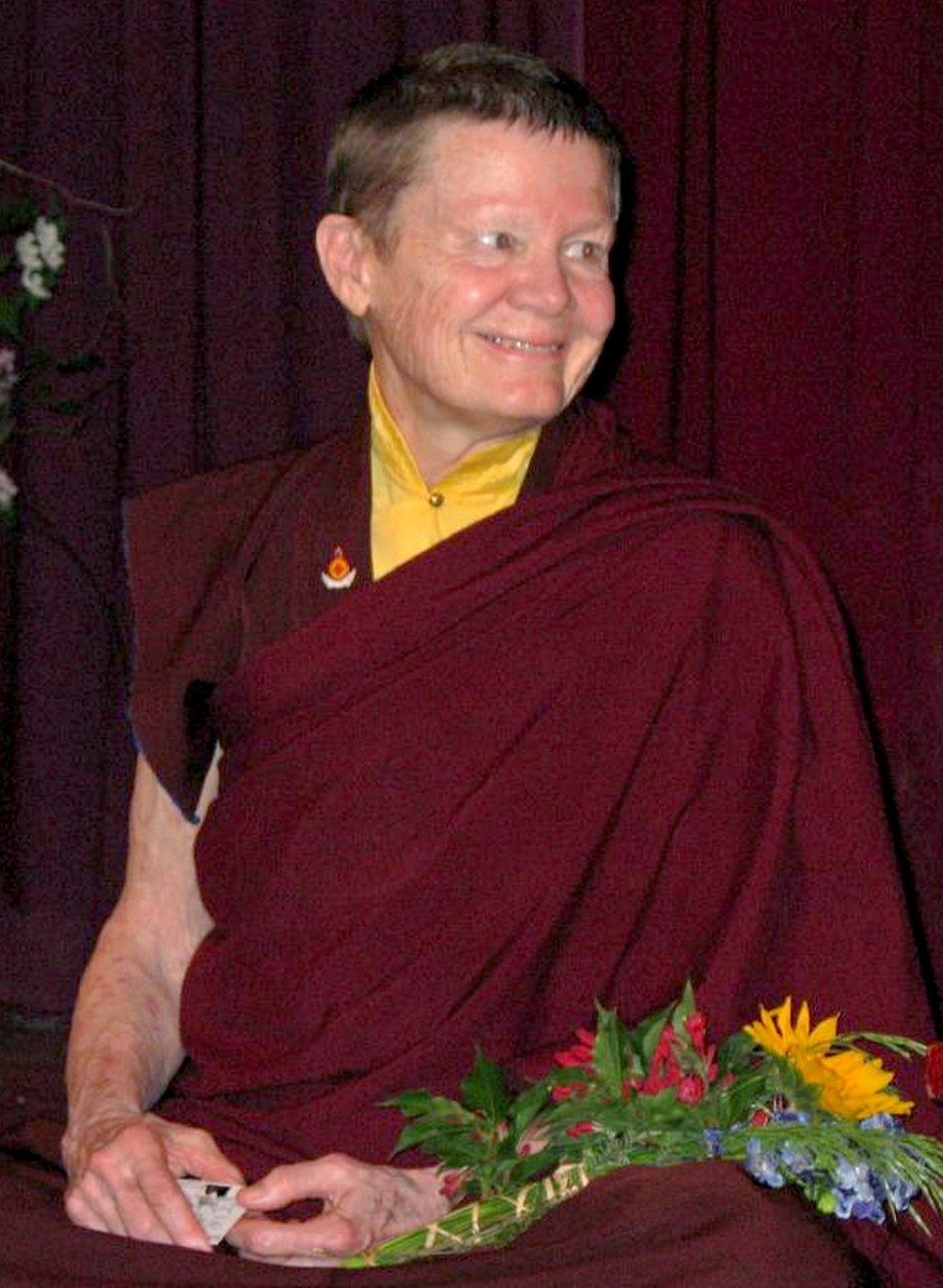
Embracing Fear as a Pathway to Truth
Pema Chödrön's assertion that "fear is a natural reaction to moving closer to the truth" invites us to reconsider our relationship with fear itself. Rather than viewing fear as an obstacle, she encourages us to see it as a signpost, indicating that we are approaching deeper truths about ourselves and our existence. This perspective is crucial in a world where fear often paralyzes us, preventing growth and understanding. By embracing fear, we can transform it into a catalyst for personal and spiritual development.
This idea resonates deeply within the human experience, as we frequently encounter moments that challenge our comfort zones. Whether it is facing a difficult conversation, confronting our own vulnerabilities, or embarking on a new journey, fear often emerges as a companion. Chödrön's wisdom reminds us that these moments of fear are not to be avoided but rather embraced, as they signal the potential for profound insight and transformation. In this light, fear becomes not a foe but a guide, urging us to delve deeper into the truths that lie beneath the surface of our everyday lives.
The image / the metaphor
The imagery in Chödrön's quote evokes a sense of movement and proximity. The phrase "moving closer" suggests a journey, one that is both physical and metaphorical. As we approach the truth, fear surfaces as a natural response, akin to the tension felt when standing on the precipice of a great leap. This tension is palpable; it is the body's way of signaling that we are on the verge of something significant. The verbs chosen—"moving" and "closer"—imply an active engagement with our fears, rather than a passive acceptance of them.
In the speaker's tradition
Pema Chödrön's insights are deeply rooted in the Buddhist tradition, which emphasizes the importance of understanding and transforming our relationship with suffering. Concepts such as dharma, the truth of existence, and sunyata, or emptiness, are central to this exploration. In Buddhism, fear is often seen as a manifestation of ignorance—an inability to see things as they truly are. By recognizing fear as a natural reaction, we can begin to dismantle the ignorance that binds us, allowing for a clearer perception of reality.
Chödrön's teachings echo the sentiments found in the Heart Sutra, which speaks of the emptiness of all phenomena. Just as the sutra invites us to embrace the void, Chödrön encourages us to embrace fear as a part of our journey toward understanding. In both cases, the invitation is to look beyond our immediate reactions and to explore the deeper truths that lie beneath. This exploration is not merely intellectual; it is a lived experience that transforms our understanding of ourselves and the world around us.
Living the teaching
Consider a modern scenario where this teaching might resonate: a person facing a career change. The prospect of leaving a familiar job for the unknown can evoke significant fear. Yet, this fear can also signal an opportunity for growth and self-discovery. By acknowledging the fear and exploring its roots, the individual may uncover deeper truths about their passions and desires, ultimately leading to a more fulfilling career path. This process of moving closer to the truth about oneself can be both daunting and liberating.
In relationships, too, Chödrön's teaching finds relevance. Imagine a couple navigating a difficult conversation about their future. The fear of vulnerability and potential conflict may loom large, yet this fear can also be a catalyst for deeper intimacy and understanding. By leaning into the discomfort and approaching the truth of their feelings, they can foster a more authentic connection. In both scenarios, fear serves as a guide, illuminating the path toward greater honesty and fulfillment.
A reflection
As we contemplate Chödrön's assertion, we are invited to reflect on our own experiences with fear. What truths have you shied away from because of fear? In what ways might embracing that fear lead you closer to a deeper understanding of yourself and your life? Allow this question to linger, as it may reveal insights that can transform your relationship with fear and guide you toward a more authentic existence.


Join the BrightStar Community
Stay connected with daily inspiration, event announcements, and community wisdom