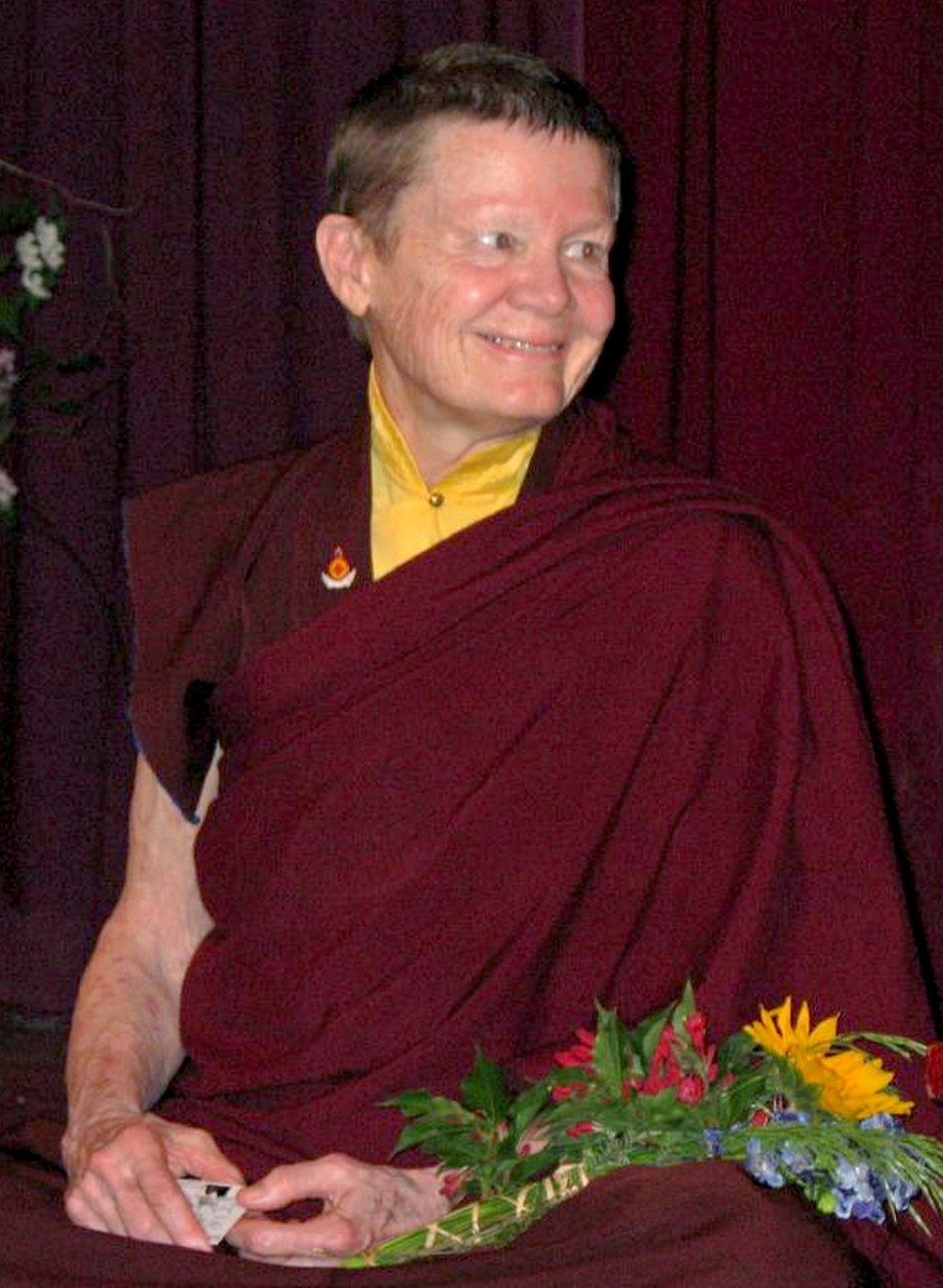
The Embrace of Openness: Welcoming All That Is
Pema Chödrön's assertion that "In the openness of being, all things are welcome" invites us into a profound exploration of acceptance and presence. This statement encapsulates a transformative approach to life, suggesting that true openness allows us to embrace all experiences, emotions, and situations without resistance. In a world often characterized by division and aversion, this teaching serves as a gentle reminder of the power inherent in welcoming the entirety of our existence.
At its core, this quote challenges us to reconsider our relationship with discomfort and uncertainty. It encourages a shift from avoidance to acceptance, urging us to recognize that within the vastness of being, every experience—pleasant or unpleasant—has a place. This perspective is not merely philosophical; it is a practical guide for navigating the complexities of life, fostering resilience, and cultivating a deeper sense of connection with ourselves and others.
The image / the metaphor
The imagery of "openness" evokes a sense of spaciousness, a vast expanse where all things can coexist. The verb "welcome" suggests an active engagement with life, a willingness to invite experiences in rather than push them away. This interplay between openness and welcome creates a felt sense of safety, where one can explore the full spectrum of human experience without fear of judgment or rejection. It is an invitation to let go of the need for control and to embrace the unpredictable nature of existence.
Diving deeper into the metaphor, we can see that this openness is not passive; it is a dynamic state of being that requires courage and vulnerability. To welcome all things means to confront our fears, insecurities, and discomforts head-on. It is an acknowledgment that life is inherently messy and complex, yet within that complexity lies the potential for growth and transformation. By cultivating this openness, we create a fertile ground for healing and understanding, both within ourselves and in our relationships with others.
In the speaker's tradition
Pema Chödrön's teachings are deeply rooted in the Buddhist tradition, particularly in the concepts of dharma and sunyata, or emptiness. The notion of welcoming all things aligns with the Buddhist understanding of impermanence and the interconnectedness of all phenomena. In this context, to be open is to recognize that our experiences are transient and that clinging to certain outcomes only leads to suffering. Embracing the fullness of being allows us to engage with life as it is, rather than how we wish it to be.
In her book "Welcoming the Unwelcome," Chödrön draws upon the teachings of the Buddha, emphasizing the importance of mindfulness and compassion. The practice of mindfulness encourages us to observe our thoughts and feelings without attachment, fostering a sense of spaciousness in our minds. This aligns with the concept of prajna, or wisdom, which invites us to see beyond our habitual patterns and to approach life with an open heart and mind. By integrating these teachings, we can cultivate a deeper understanding of ourselves and our place in the world.
Living the teaching
Consider a modern scenario where this teaching might resonate: a workplace filled with tension and differing opinions. In such an environment, the challenge often lies in navigating conflicts and misunderstandings. By embodying the principle of openness, one can approach these situations with a willingness to listen and understand differing perspectives. Instead of reacting defensively, embracing the discomfort of disagreement can lead to more meaningful conversations and collaborative solutions, fostering a culture of respect and acceptance.
Another application of this teaching can be found in personal relationships, particularly during difficult moments. Imagine a conversation with a loved one where emotions run high, and misunderstandings abound. By practicing openness, we can create a space where both parties feel safe to express their feelings without fear of judgment. This willingness to welcome all emotions—anger, sadness, joy—can lead to deeper intimacy and understanding, transforming conflict into an opportunity for growth and connection.
A reflection
As we contemplate Pema Chödrön's invitation to welcome all things, we might ask ourselves: What would it mean to fully embrace the entirety of my experience, both the light and the dark? This question invites us to explore our own resistance to certain feelings or situations and to consider how we might cultivate a more welcoming attitude toward our inner lives. In doing so, we open ourselves to the richness of existence, allowing the fullness of being to unfold in all its complexity.




Join the BrightStar Community
Stay connected with daily inspiration, event announcements, and community wisdom