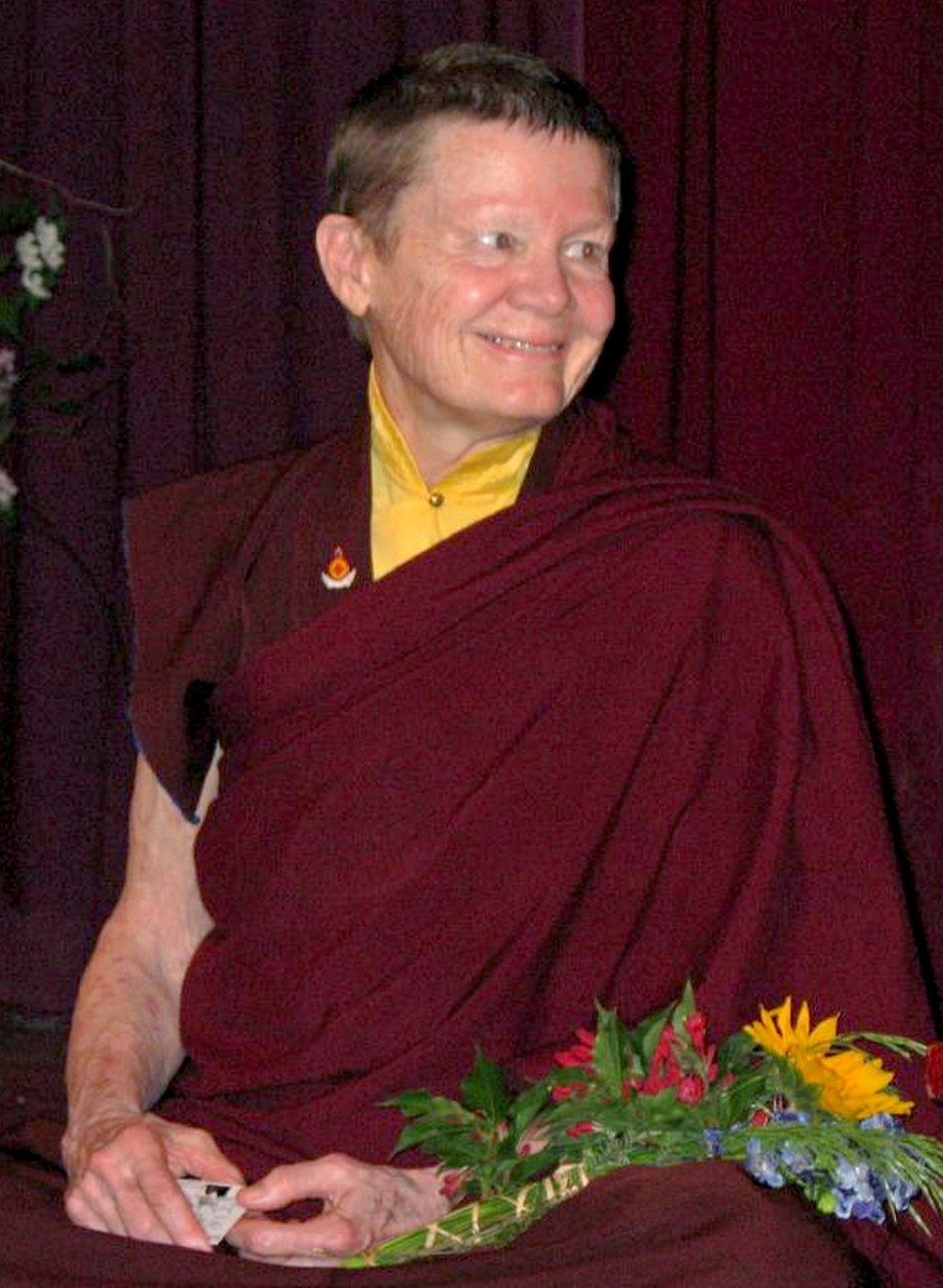
Embracing the Storm: A Journey Through Turbulence
Pema Chödrön's poignant assertion, "It's only by going into the storm that we can find our way through," invites us to confront the tumultuous moments of our lives rather than evade them. This quote encapsulates a profound truth about the human experience: growth and clarity often emerge from the very challenges we dread. In a world that frequently encourages avoidance, Chödrön's wisdom serves as a reminder that embracing discomfort can lead to transformation and understanding.
In a society that often equates success with comfort and ease, Chödrön's words challenge us to reconsider our relationship with adversity. The "storm" symbolizes not just external chaos but also the internal struggles we face—fear, grief, uncertainty. By choosing to engage with these storms, we cultivate resilience and insight, ultimately discovering pathways that lead us to deeper self-awareness and compassion. This journey through the storm is not merely about survival; it is about awakening to the fullness of our experience.
The image / the metaphor
The imagery of a storm evokes a visceral sense of turbulence and unpredictability. Storms are powerful forces of nature, often associated with fear and destruction, yet they also bring renewal and clarity. The verbs "going into" and "finding our way through" suggest an active engagement with our difficulties, rather than a passive resignation. This dynamic interplay between movement and stillness, chaos and calm, reflects the complexity of navigating our emotional landscapes.
Diving deeper into the metaphor, the storm represents not only the external challenges we face but also the internal conflicts that arise within us. It is a call to acknowledge our fears and uncertainties, to sit with them rather than flee. In this way, the storm becomes a crucible for transformation, a space where we can confront our vulnerabilities and emerge with newfound strength and wisdom. The act of "going into" the storm is an invitation to explore the depths of our being, to uncover the treasures hidden within our struggles.
In the speaker's tradition
Pema Chödrön's teachings are deeply rooted in the Buddhist tradition, which emphasizes the importance of facing suffering as a pathway to enlightenment. Concepts such as dharma, or the natural law that governs the universe, and sunyata, the notion of emptiness, resonate with her message. By entering the storm, we engage with the dharma of our experiences, recognizing that suffering is an integral part of life that can lead to profound insights. This engagement fosters a sense of kenosis, or self-emptying, allowing us to release our attachments and embrace the impermanence of our circumstances.
In her book "When Things Fall Apart," Chödrön draws upon the teachings of the Buddha and the concept of prajna, or wisdom, which arises from direct experience. She encourages us to cultivate a compassionate awareness of our suffering, suggesting that by facing our storms, we can develop a deeper understanding of ourselves and our interconnectedness with others. This wisdom is not merely intellectual; it is born from the lived experience of navigating life's challenges with courage and grace.
Living the teaching
Consider a modern scenario where this teaching resonates: a person facing a significant life change, such as a job loss or the end of a relationship. The instinct may be to retreat, to avoid the emotional turmoil that accompanies such upheaval. However, by choosing to confront the storm head-on—acknowledging the pain, fear, and uncertainty—they open themselves to the possibility of growth and renewal. This engagement can lead to unexpected opportunities and a clearer understanding of their true desires and values.
Another application of Chödrön's teaching can be found in the realm of relationships. When conflicts arise, the temptation is often to withdraw or to engage in avoidance strategies. Yet, by leaning into the discomfort of these moments—by having difficult conversations and expressing vulnerable emotions—individuals can foster deeper connections and understanding. This practice of facing the storm within relationships not only strengthens bonds but also cultivates a shared resilience that can weather future challenges.
A reflection
As we contemplate Pema Chödrön's wisdom, we are invited to reflect on our own storms. What challenges are we currently facing that we might be tempted to avoid? In what ways can we lean into these difficulties, embracing them as opportunities for growth and transformation? By engaging with these questions, we can begin to uncover the pathways that lead us through our storms, emerging with greater clarity and compassion.


Join the BrightStar Community
Stay connected with daily inspiration, event announcements, and community wisdom