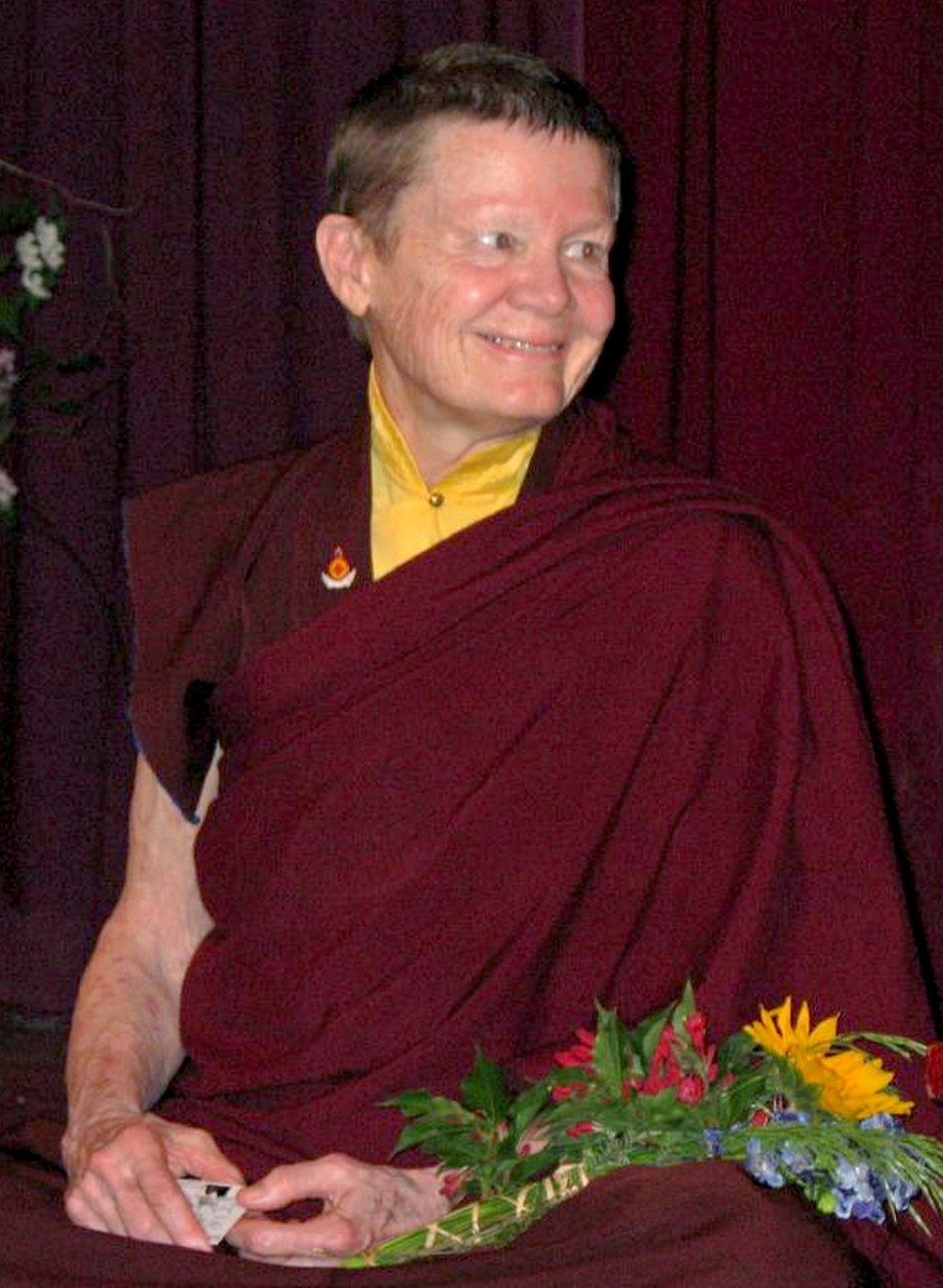
Embracing Discomfort: The Path to Wisdom
Pema Chödrön's poignant assertion, "Lean toward the discomfort. It is your teacher," invites us to reconsider our relationship with discomfort and suffering. In a world that often encourages avoidance and distraction, this quote challenges us to confront the very experiences we typically seek to escape. The stakes are high; by leaning into our discomfort, we open ourselves to profound insights and transformative growth that can lead to a more authentic existence.
This invitation to embrace discomfort is not merely a call to endure pain but rather a profound recognition that our struggles can illuminate the path toward understanding and compassion. In a society that prizes comfort and security, Chödrön's wisdom serves as a reminder that true learning often arises from the most challenging experiences. By leaning into discomfort, we cultivate resilience and develop a deeper connection to ourselves and others, ultimately enriching our spiritual journey.
The image / the metaphor
The imagery in Chödrön's quote is striking, evoking a sense of movement and intention. The verb "lean" suggests a gentle, yet active engagement with discomfort, as if we are not merely enduring it but actively seeking to understand its lessons. This physicality of leaning implies a willingness to shift our weight, to adjust our stance in the face of adversity, and to allow ourselves to be vulnerable. It paints a picture of a dynamic relationship with our discomfort, one that is not static but rather fluid and responsive.
Diving deeper into the metaphor, we can see that discomfort serves as a teacher, guiding us through the complexities of our emotional landscape. Just as a skilled teacher challenges their students to think critically and expand their horizons, discomfort pushes us to confront our limitations and biases. This relationship transforms discomfort from a mere obstacle into a vital component of our growth, suggesting that the lessons we learn in moments of unease are often the most valuable.
In the speaker's tradition
Pema Chödrön's teachings are deeply rooted in the Buddhist tradition, where the concepts of suffering and impermanence are central. In Buddhism, the notion of dukkha, often translated as suffering or dissatisfaction, is a fundamental aspect of human existence. By leaning into discomfort, we engage with dukkha not as a burden to be avoided but as a gateway to understanding the nature of reality. This aligns with the Buddhist practice of mindfulness, which encourages us to observe our thoughts and feelings without judgment, allowing us to fully experience the present moment.
A relevant text that echoes this sentiment is the Heart Sutra, which speaks of sunyata, or emptiness. This concept teaches that our perceptions of discomfort are often rooted in attachment and aversion. By leaning into discomfort, we can begin to see through these attachments, recognizing that our suffering is not a fixed state but rather a fluid experience that can lead to liberation. Chödrön's wisdom invites us to explore this emptiness, understanding that it is through our discomfort that we can cultivate compassion and insight.
Living the teaching
Consider a modern scenario where this teaching resonates: a person facing a challenging work environment filled with conflict and stress. Instead of seeking to escape the discomfort through avoidance or resignation, they choose to lean into the situation. By engaging in open conversations with colleagues and reflecting on their own reactions, they begin to uncover the underlying issues that contribute to the tension. This process not only fosters personal growth but also paves the way for a more harmonious workplace.
Another application of this teaching can be found in personal relationships, particularly during moments of conflict. When faced with a disagreement, one might instinctively want to withdraw or retaliate. However, by leaning into the discomfort of the situation—by listening deeply and expressing vulnerability—both parties can gain a clearer understanding of each other's perspectives. This willingness to confront discomfort can transform a potentially divisive moment into an opportunity for connection and healing.
A reflection
As we contemplate Chödrön's invitation to lean toward discomfort, we are left with a profound question: What lessons might my discomfort be trying to teach me right now? This question encourages us to pause and reflect on our current experiences, inviting us to explore the hidden wisdom within our struggles. By engaging with this inquiry, we can begin to transform our relationship with discomfort, allowing it to guide us toward greater self-awareness and compassion.




Join the BrightStar Community
Stay connected with daily inspiration, event announcements, and community wisdom