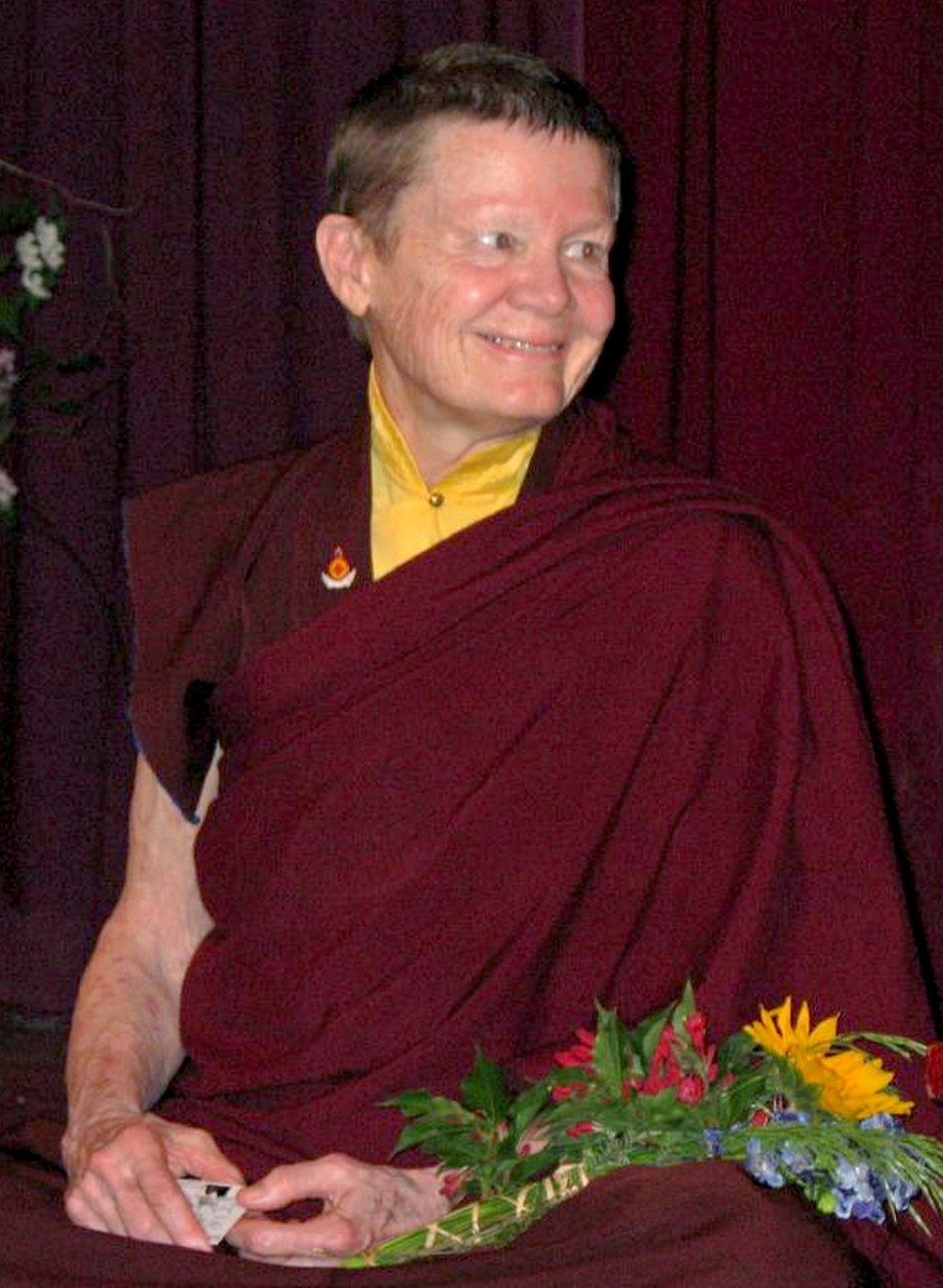
The Wisdom of Embracing Uncertainty
Pema Chödrön's assertion that "letting there be room for not knowing is the most important thing of all" invites us to embrace the vastness of uncertainty in our lives. In a world that often demands certainty and clarity, this perspective challenges us to find comfort in the unknown. It suggests that the space created by unknowing is not a void to be feared, but a fertile ground for growth, exploration, and deeper understanding. This teaching is particularly relevant in our fast-paced, outcome-oriented society, where the pressure to have answers can overshadow the beauty of inquiry.
By acknowledging the importance of not knowing, we open ourselves to a more expansive way of being. This spaciousness allows us to cultivate trust—not only in ourselves but also in the unfolding of life itself. It encourages a shift from a rigid mindset to one that is fluid and adaptable, where we can learn to navigate the complexities of existence with grace. In this light, Chödrön's wisdom becomes a guiding principle, inviting us to explore the richness of our experiences without the constraints of preconceived notions or fixed beliefs.
The image / the metaphor
The imagery in Chödrön's quote evokes a sense of spaciousness, suggesting that within the realm of not knowing lies an expansive landscape. The phrase "letting there be room" conjures a feeling of opening up, as if we are creating a sanctuary for uncertainty to dwell. This act of allowing space for the unknown is a deliberate choice, one that requires courage and vulnerability. It is a gentle reminder that life is not a puzzle to be solved but a mystery to be embraced, where questions can be more valuable than answers.
Diving deeper into this metaphor, we can see that the act of letting go of the need to know creates a dynamic interplay between our inner and outer worlds. It invites us to engage with life as it unfolds, rather than imposing our expectations upon it. This spaciousness is akin to a vast sky, where clouds of doubt and confusion can drift by without obstructing the light of awareness. In this way, the metaphor of room for not knowing becomes a powerful symbol of liberation, encouraging us to release our grip on certainty and to trust in the process of becoming.
In the speaker's tradition
Pema Chödrön's teachings are deeply rooted in the Buddhist tradition, where concepts such as sunyata (emptiness) and prajna (wisdom) play a crucial role. The idea of unknowing aligns with the Buddhist understanding of emptiness, which teaches that all phenomena are interdependent and lack inherent existence. By recognizing the fluidity of our experiences, we can cultivate a sense of wisdom that transcends fixed beliefs and rigid identities. This perspective encourages us to approach life with an open heart and mind, allowing for the possibility of transformation in every moment.
A relevant text that echoes this sentiment is the Heart Sutra, which famously states, "Form is emptiness, emptiness is form." This profound teaching invites us to see beyond the surface of our experiences and to understand that the essence of life is found in the interplay of form and emptiness. By embracing the wisdom of not knowing, we align ourselves with this fundamental truth, recognizing that our journey is not about arriving at definitive answers but about engaging with the ever-changing landscape of existence.
Living the teaching
Consider a modern scenario where this teaching resonates: a professional facing a significant career transition. The uncertainty of leaving a familiar job for an unknown path can evoke anxiety and fear. However, by allowing room for not knowing, the individual can approach this transition with curiosity rather than dread. This openness creates space for exploration, enabling them to discover new opportunities and insights that may not have been visible within the confines of certainty.
This teaching can also be applied in relationships, particularly during moments of conflict or misunderstanding. Instead of clinging to the need to be right or to have all the answers, one can embrace the discomfort of not knowing how to resolve the issue. By fostering an attitude of openness and vulnerability, both partners can engage in a deeper dialogue, allowing for the possibility of connection and understanding to emerge from the uncertainty. In this way, the practice of letting there be room for not knowing becomes a transformative force in our lives.
A reflection
As we contemplate Pema Chödrön's wisdom, we are invited to reflect on our own relationship with uncertainty. What would it mean for you to let there be room for not knowing in your life? Consider the areas where you feel the need for certainty and control, and explore how embracing unknowing might open new pathways for growth and connection. This inquiry can lead to profound insights, inviting us to trust in the unfolding journey of our lives.


Join the BrightStar Community
Stay connected with daily inspiration, event announcements, and community wisdom