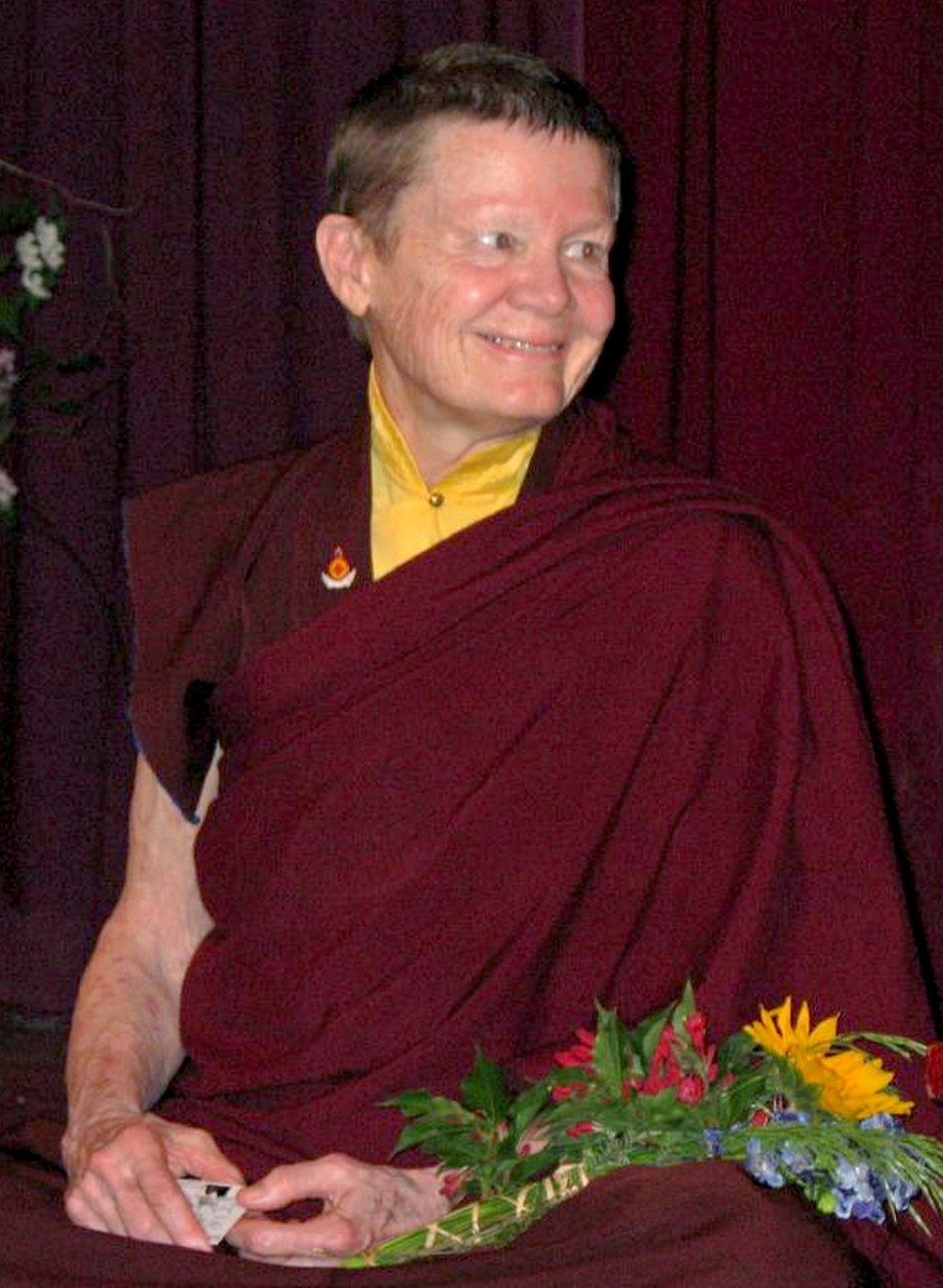
Embracing Groundlessness: The Path to Genuine Sanity
Pema Chödrön's assertion that "letting things fall apart is the gateway to genuine sanity" invites us to reconsider our relationship with chaos and uncertainty. In a world that often prizes stability and control, this perspective challenges us to embrace the inherent instability of life. It suggests that true sanity does not lie in clinging to the familiar but rather in accepting the fluidity of our experiences. This acceptance can lead us to a deeper understanding of ourselves and the world around us, illuminating a path toward inner peace.
At the heart of Chödrön's message is the recognition that our attempts to maintain order can often lead to greater suffering. When we resist change, we create a false sense of security that ultimately crumbles under the weight of reality. By allowing things to fall apart, we open ourselves to the possibility of transformation and renewal. This process, while uncomfortable, is essential for cultivating resilience and wisdom in the face of life's inevitable challenges.
The image / the metaphor
The imagery of "letting things fall apart" evokes a sense of surrender, a willingness to release our grip on the structures we have built around ourselves. The verbs chosen—"letting" and "fall"—suggest a passive yet active engagement with the chaos of life. It is not about forcing change or seeking destruction; rather, it is about allowing the natural course of events to unfold without interference. This felt sense of falling can be disorienting, yet it also carries the promise of liberation from the constraints of our own making.
Diving deeper into this metaphor, we can see that falling apart is not merely a loss but a prelude to something new. It is akin to the process of a seed breaking open in the soil, releasing its potential to grow into a vibrant plant. In this way, the act of letting go becomes a fertile ground for growth and transformation. The chaos that ensues can serve as a catalyst for genuine insight, revealing the interconnectedness of all things and the impermanence that defines our existence.
In the speaker's tradition
Pema Chödrön's teachings are deeply rooted in the Buddhist tradition, where concepts such as groundlessness and sunyata (emptiness) play a crucial role. Groundlessness refers to the understanding that our perceived stability is an illusion, and that true freedom arises from recognizing this truth. In embracing sunyata, we learn to let go of our attachments and expectations, allowing us to experience life as it is, rather than how we wish it to be. This perspective aligns with the notion of kenosis, or self-emptying, which invites us to release our ego-driven desires in favor of a more expansive awareness.
In her book "When Things Fall Apart," Chödrön draws upon these Buddhist principles to illustrate the transformative power of embracing uncertainty. She encourages readers to confront their fears and insecurities, suggesting that it is through this confrontation that we can cultivate genuine compassion and understanding. The teachings of the Buddha emphasize the importance of facing suffering directly, and Chödrön's work serves as a contemporary reminder of this timeless wisdom.
Living the teaching
Consider a modern scenario where this teaching resonates: a sudden job loss. Initially, the experience may feel like a devastating blow, shattering the sense of security that comes with employment. However, if one can embrace the chaos of this situation, it may lead to unexpected opportunities for growth and self-discovery. Letting go of the need for immediate stability allows for the possibility of exploring new paths, perhaps even uncovering passions that had long been dormant. In this way, the act of letting things fall apart can become a gateway to a more authentic and fulfilling life.
This teaching can also be applied in the context of relationships. Imagine a friendship that has become strained, filled with unspoken grievances and unmet expectations. By allowing the relationship to "fall apart," one may find the courage to address underlying issues openly and honestly. This process, while uncomfortable, can lead to a deeper understanding of oneself and the other person, ultimately fostering a more genuine connection. In both scenarios, the willingness to let go of preconceived notions and embrace uncertainty paves the way for healing and transformation.
A reflection
As we contemplate Pema Chödrön's profound insight, we are invited to reflect on our own lives: What are the areas where we cling too tightly, resisting the natural ebb and flow of existence? In what ways might we benefit from allowing things to fall apart, trusting that this process can lead us to a deeper sense of sanity and connection? By engaging with these questions, we open ourselves to the possibility of transformation, embracing the groundlessness that is an inherent part of the human experience.



Join the BrightStar Community
Stay connected with daily inspiration, event announcements, and community wisdom