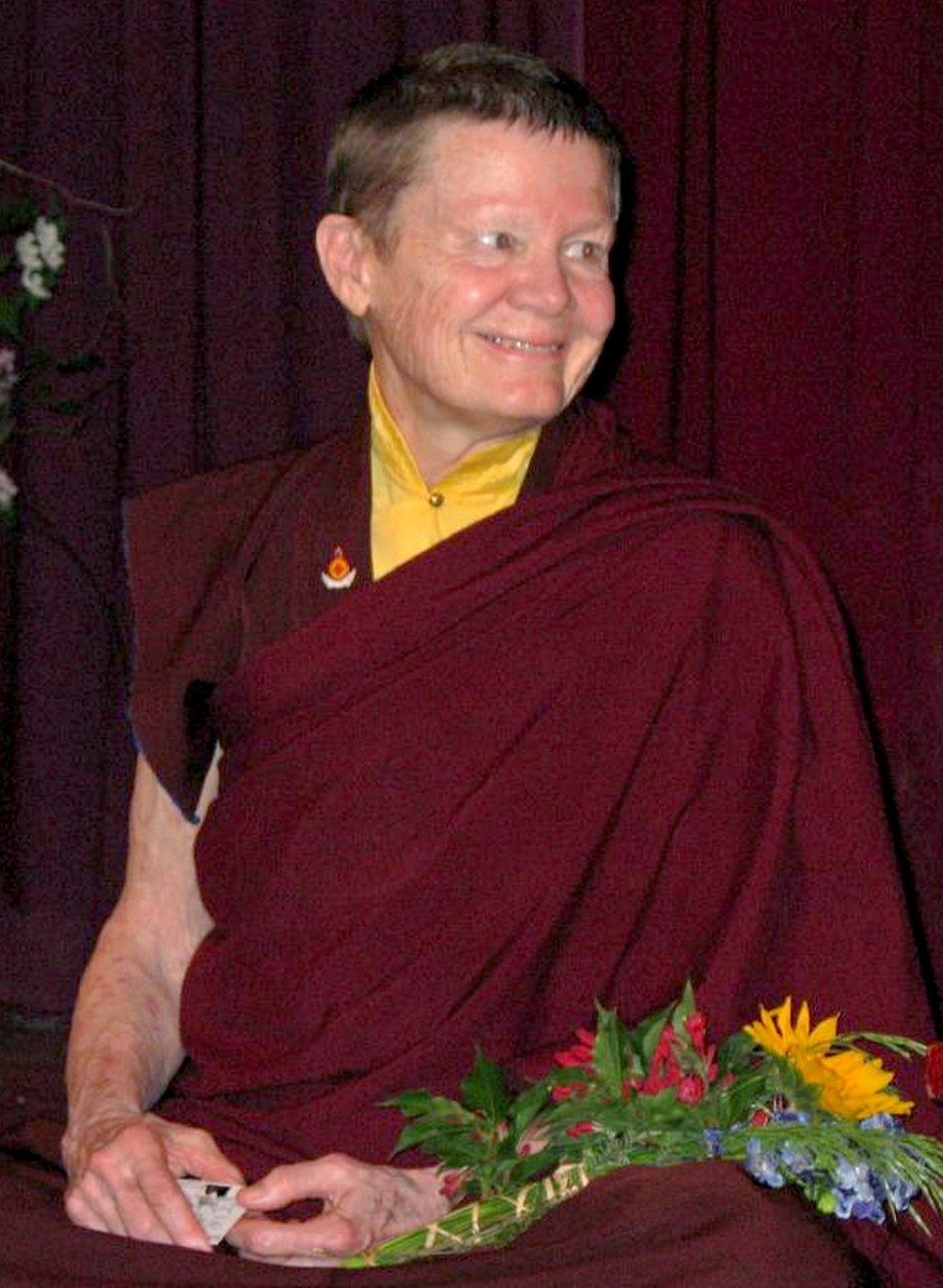
Embracing the Unknown: The Heart's Invitation
Pema Chödrön's invitation to "open your heart to whatever comes" serves as a profound reminder of the transformative power of vulnerability and acceptance. In a world often characterized by uncertainty and rapid change, this call to openness challenges us to embrace life in all its complexity. It urges us to let go of our preconceived notions and defenses, allowing the fullness of our experiences to unfold. This teaching is not merely about passivity; rather, it is an active engagement with the present moment, a courageous leap into the unknown.
To open our hearts is to engage in a radical act of trust. It requires us to confront our fears, insecurities, and the myriad of emotions that arise when we encounter the unexpected. Chödrön's words resonate deeply within the context of Buddhist philosophy, where the heart symbolizes not just emotion but also wisdom and compassion. By cultivating an open heart, we create space for growth, connection, and the possibility of transformation, both within ourselves and in our relationships with others.
The image / the metaphor
The imagery of "opening your heart" evokes a sense of warmth and receptivity. It suggests a gentle unfolding, akin to a flower blooming in the sunlight. The verb "open" implies an active choice, a willingness to let go of barriers that we often erect to protect ourselves from pain or discomfort. This act of opening is not a passive surrender but a dynamic engagement with life, inviting in whatever experiences may come our way, whether joyful or challenging.
Diving deeper into this metaphor, we can see that the heart is not merely a vessel for love but also a crucible for transformation. When we open our hearts, we allow ourselves to be touched by the full spectrum of human experience. This can be daunting, as it requires us to confront our vulnerabilities and the unpredictability of life. Yet, it is precisely in this openness that we find the potential for profound growth and connection, as we learn to embrace the richness of existence without judgment or fear.
In the speaker's tradition
Pema Chödrön's teaching is deeply rooted in the Buddhist tradition, which emphasizes the importance of openness and acceptance as pathways to enlightenment. Concepts such as *sunyata* (emptiness) and *prajna* (wisdom) resonate with her message, highlighting the idea that our attachments and aversions often cloud our perception of reality. By opening our hearts, we begin to dissolve the barriers created by our ego, allowing us to experience the world with clarity and compassion.
In her book, *The Places That Scare You*, Chödrön draws upon the teachings of the Buddha, who encouraged followers to cultivate a mind of non-attachment and equanimity. This aligns with the notion of *kenosis*, or self-emptying, found in various spiritual traditions, where the act of letting go leads to a deeper understanding of oneself and the interconnectedness of all beings. By embracing the unknown, we engage in a practice that transcends fear and opens us to the fullness of life.
Living the teaching
Consider a modern scenario where this teaching can be applied: a job loss or a sudden change in life circumstances. In such moments, the instinct may be to retreat, to close off from the world in an effort to protect oneself from the pain of uncertainty. However, by choosing to open our hearts to whatever comes, we can transform this experience into an opportunity for growth. This openness allows us to explore new possibilities, connect with others who may offer support, and ultimately discover strengths we may not have known we possessed.
In the context of relationships, opening our hearts can be equally transformative. Imagine a conflict with a loved one, where defensiveness and hurt feelings create a chasm between you. By embracing Chödrön's teaching, you might choose to approach the situation with vulnerability, expressing your feelings honestly while also being receptive to the other person's perspective. This willingness to engage openly can foster deeper understanding and connection, allowing both parties to navigate the complexities of their emotions with compassion.
A reflection
As we reflect on Pema Chödrön's invitation to "open your heart to whatever comes," we are called to consider the ways in which we might be closing ourselves off from the richness of life. What fears or preconceived notions are we holding onto that prevent us from fully engaging with our experiences? In this moment of contemplation, let us ask ourselves: How might my life change if I were to embrace the unknown with an open heart?




Join the BrightStar Community
Stay connected with daily inspiration, event announcements, and community wisdom