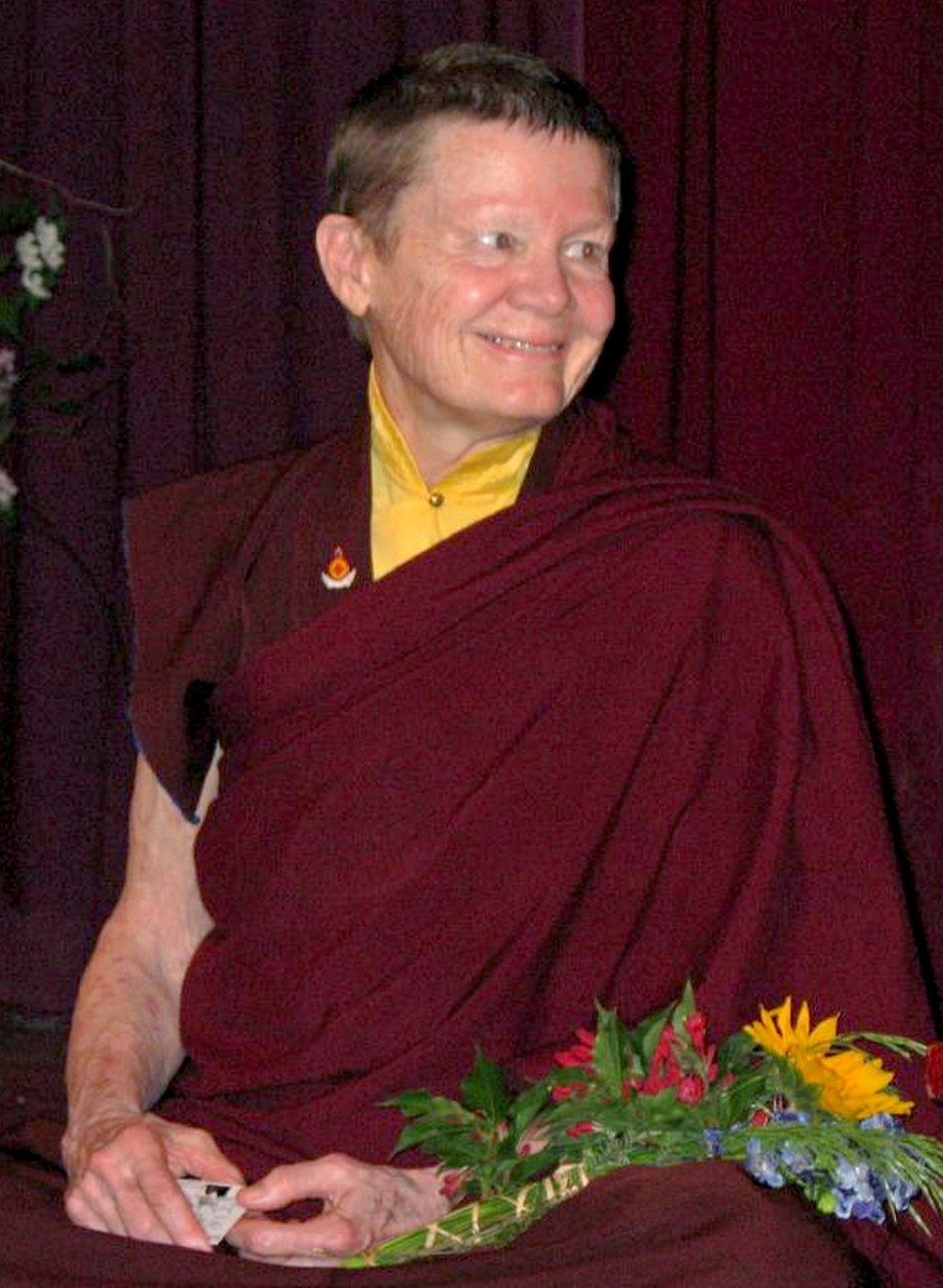
The Courage to See Ourselves Clearly
Pema Chödrön's poignant assertion that the greatest harm we can inflict upon ourselves is rooted in ignorance speaks to the heart of self-awareness. To remain blind to our own truths is to engage in a fundamental aggression against our being. This quote invites us to confront our inner landscapes with both courage and gentleness, emphasizing that the journey of self-discovery is not merely a task but a sacred act of respect toward ourselves. In a world that often encourages distraction and denial, the stakes of this self-examination are profound; it is through this honest gaze that we can cultivate genuine growth and healing.
Chödrön's words resonate deeply in a culture that frequently prioritizes external validation over internal truth. The act of looking at ourselves honestly requires not only bravery but also a nurturing spirit, as we navigate the complexities of our emotions and experiences. This duality of courage and gentleness is essential; without it, we risk perpetuating cycles of self-deception and harm. By embracing this challenge, we open ourselves to the possibility of transformation, allowing our vulnerabilities to become the fertile ground for personal evolution.
The image / the metaphor
The imagery in Chödrön's quote evokes a sense of introspection, where the act of looking at oneself is both a confrontation and a gentle embrace. The verbs "look" and "respect" suggest a dynamic interplay between awareness and compassion. To "look at ourselves honestly" implies a willingness to face uncomfortable truths, while "gently" reminds us that this process should be approached with kindness, not harsh judgment. This delicate balance creates a felt sense of safety, allowing us to explore the depths of our psyche without the fear of self-condemnation.
Diving deeper into the metaphor, we can envision self-ignorance as a veil that obscures our true nature. When we choose to remain ignorant, we are essentially choosing to live in a shadow, disconnected from the light of our authentic selves. The courage to lift this veil is akin to stepping into the sunlight after a long period of darkness; it is both liberating and daunting. In this light, we can begin to see not only our flaws but also our inherent beauty and potential. This metaphor serves as a reminder that self-awareness is not merely an act of scrutiny but an invitation to embrace the wholeness of our being.
In the speaker's tradition
Pema Chödrön's teachings are deeply rooted in the Buddhist tradition, where concepts such as dharma and prajna illuminate the path toward self-realization. Dharma, often understood as the truth or the way of things, encourages us to align our lives with the fundamental nature of reality. In this context, self-honesty becomes a vital aspect of understanding our own dharma, as it allows us to discern the patterns and habits that may lead us astray. Prajna, or wisdom, is cultivated through this honest self-examination, enabling us to see beyond the illusions that cloud our perception.
A relevant text that echoes Chödrön's sentiment is the Heart Sutra, which speaks of sunyata, or emptiness. This concept invites us to recognize the transient nature of our thoughts and emotions, encouraging a gentle detachment from the narratives we construct about ourselves. By embracing sunyata, we can approach our self-exploration with a sense of openness, allowing for the possibility of transformation without being tethered to rigid self-concepts. This interplay of self-honesty and wisdom is essential for navigating the complexities of our inner lives.
Living the teaching
Consider a modern scenario where this teaching might resonate: a person grappling with feelings of inadequacy in their professional life. They may find themselves caught in a cycle of self-doubt, perpetually comparing their achievements to those of their peers. In this context, Chödrön's call for self-honesty becomes a powerful tool. By courageously examining the roots of their feelings—perhaps stemming from childhood experiences or societal pressures—they can begin to dismantle the harmful narratives that have taken hold. This process, while challenging, can lead to a profound sense of liberation and self-acceptance.
Another application of this teaching might arise within the realm of relationships. Imagine a couple facing recurring conflicts, each partner unwilling to acknowledge their own contributions to the discord. Here, the courage to look inward and recognize one's own patterns can be transformative. By approaching the situation with gentleness and honesty, each partner can foster a deeper understanding of themselves and each other. This practice not only nurtures personal growth but also strengthens the bond between them, illustrating how self-awareness can ripple outward to enhance our connections with others.
A reflection
As we contemplate Chödrön's profound insight, we are invited to reflect on our own relationship with self-honesty. What truths have we been avoiding, and how might embracing them lead to greater freedom and growth? In this moment of introspection, let us ask ourselves: How can I cultivate the courage and respect necessary to look at myself honestly and gently? This question serves as a guiding light, illuminating the path toward deeper self-awareness and authentic living.


Join the BrightStar Community
Stay connected with daily inspiration, event announcements, and community wisdom