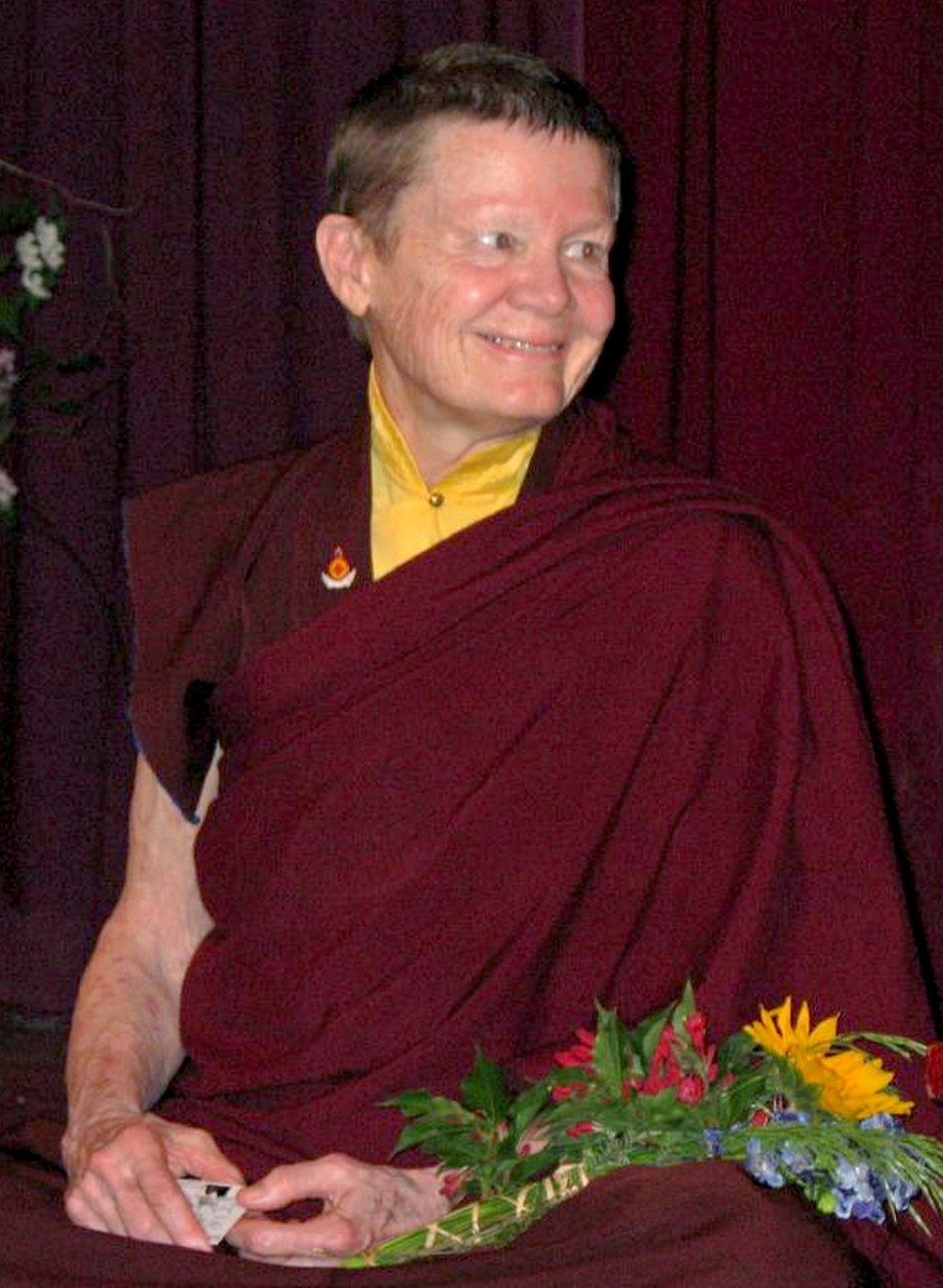
Embracing Groundlessness: The Path to Liberation
Pema Chödrön's poignant assertion that "suffering begins to dissolve when we can question the belief or the hope that there's anywhere to hide" invites us to confront the very foundations of our suffering. In essence, she challenges us to examine the illusions we cling to, the places we retreat to in our minds, and the false securities we create in our lives. This inquiry is not merely an intellectual exercise; it is a profound invitation to awaken to the reality of our existence, where the search for refuge often leads to deeper entanglement in suffering.
In a world that constantly bombards us with distractions and false promises of safety, Chödrön's words resonate with urgency. They beckon us to explore the concept of groundlessness, a central theme in Buddhist thought, which suggests that our attempts to find solid ground in an ever-changing world are ultimately futile. By questioning our beliefs and hopes for escape, we begin to dismantle the very structures that perpetuate our suffering, allowing for a more authentic engagement with life as it is.
The image / the metaphor
The imagery in Chödrön's quote evokes a sense of vulnerability and exposure. The verbs "question" and "dissolve" suggest an active engagement with our inner landscape, where we are called to scrutinize the beliefs that shield us from discomfort. The notion of "hiding" conjures images of retreating into shadows, seeking refuge in the familiar yet ultimately unfulfilling spaces of our minds. This metaphor of hiding speaks to our instinctual desire to escape pain, yet it also highlights the paradox that such avoidance only deepens our suffering.
Diving deeper into this metaphor, we can see that the act of hiding is not merely physical but psychological. It represents our tendency to construct barriers against the unpredictability of life, to build walls around our hearts and minds in an effort to feel safe. However, as Chödrön suggests, these very walls become prisons, confining us to a limited experience of reality. When we begin to question the validity of these protective beliefs, we open ourselves to the possibility of liberation, allowing the light of awareness to penetrate the darkness of our fears.
In the speaker's tradition
Pema Chödrön's teachings are deeply rooted in the Buddhist tradition, particularly in the concepts of groundlessness and impermanence. The idea of sunyata, or emptiness, plays a crucial role here, as it invites practitioners to recognize that all phenomena are transient and devoid of inherent existence. This understanding encourages a radical acceptance of uncertainty, allowing us to let go of our attachments to fixed identities and beliefs. In this light, questioning our desire to hide becomes a pathway to awakening, as we confront the illusions that bind us.
Chödrön's insights resonate with the teachings found in the Heart Sutra, which emphasizes the emptiness of all things and the liberation that arises from this realization. The sutra states, "Form is emptiness, emptiness is form," reminding us that our perceptions of solidity are mere constructs of the mind. By engaging with this text, we can appreciate how Chödrön's call to question our beliefs aligns with the broader Buddhist understanding of reality, where true freedom emerges from embracing the fluidity of existence.
Living the teaching
Consider a modern scenario where this teaching might resonate: a person grappling with anxiety about their job security. In their quest for stability, they may find themselves clinging to the belief that a certain position or title will provide them with safety. However, as they begin to question this belief, they may realize that true security cannot be found in external circumstances but rather in their ability to navigate uncertainty with grace. This shift in perspective can lead to a profound sense of liberation, allowing them to engage more fully with their work and life.
In the context of relationships, Chödrön's teaching can also be transformative. Imagine a couple facing conflict, each partner retreating into their own defensive positions. By questioning their beliefs about the need to be right or to protect themselves from vulnerability, they can begin to dismantle the barriers that separate them. This willingness to confront their fears and insecurities opens the door to deeper connection and understanding, illustrating how the dissolution of the desire to hide can lead to more authentic and loving relationships.
A reflection
As we reflect on Chödrön's profound insight, we might ask ourselves: What beliefs or hopes do I cling to that prevent me from fully experiencing my life? This contemplative question invites us to explore the areas where we seek refuge and to consider how these very pursuits may be contributing to our suffering. In this inquiry, we may discover the courage to embrace groundlessness, allowing us to step into the fullness of our existence with an open heart and mind.


Join the BrightStar Community
Stay connected with daily inspiration, event announcements, and community wisdom