Writing Our Future: The Power of Presence
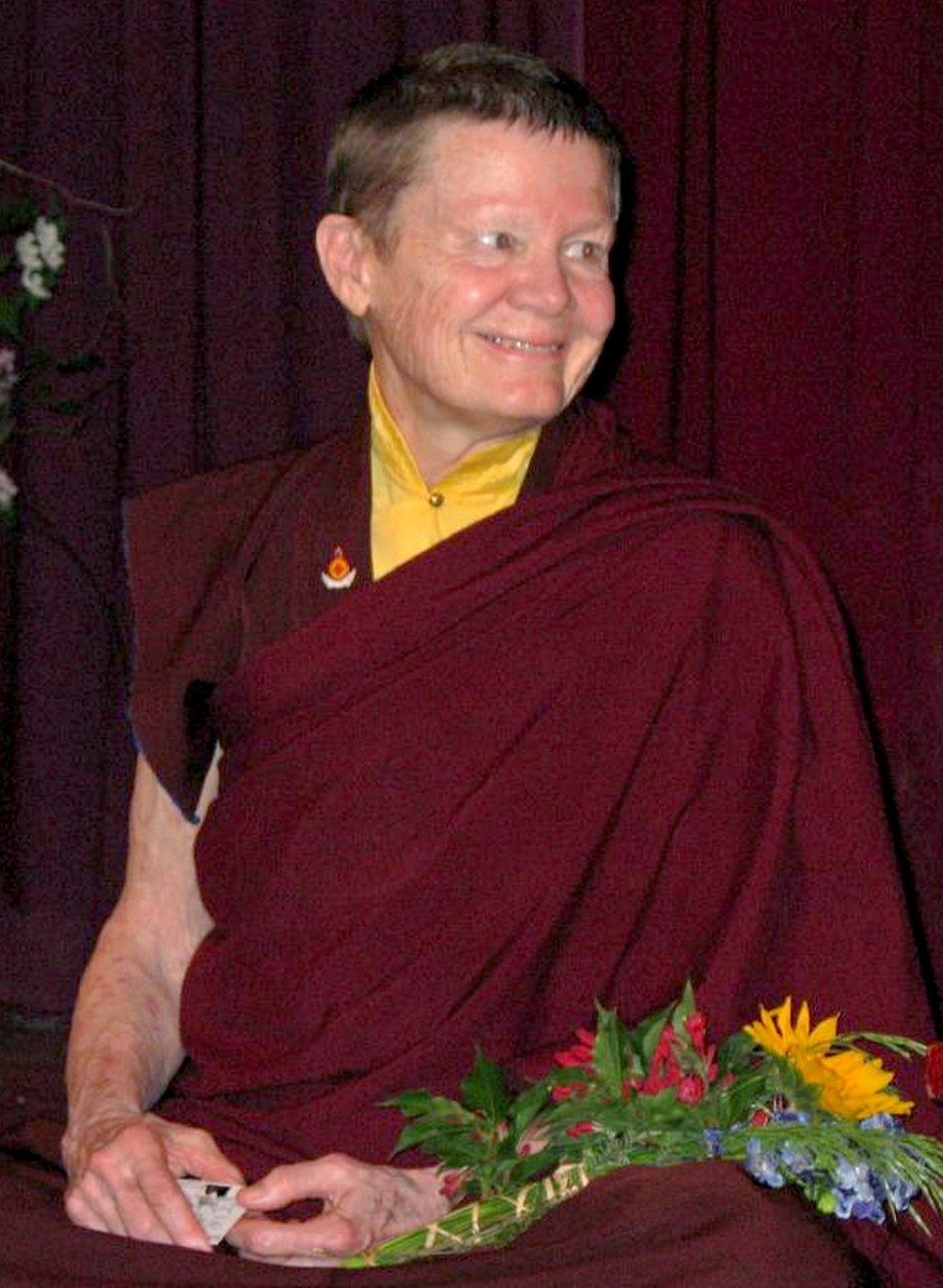
Pema Chödrön's assertion that "the future is completely open, and we are writing it moment to moment" invites us into a profound understanding of our existence. This statement emphasizes the fluidity of time and the active role we play in shaping our lives. It challenges us to recognize that each moment is a blank canvas, waiting for our thoughts, actions, and intentions to create meaning. In a world often dominated by anxiety about what lies ahead, this perspective offers a liberating invitation to embrace the present.
Chödrön's words resonate deeply in a culture that frequently fixates on future outcomes, often at the expense of the present moment. The notion that the future is open suggests a radical departure from deterministic views of life, where events are seen as preordained. Instead, she encourages us to cultivate awareness and presence, reminding us that our choices and responses in the here and now are what truly shape our paths. This teaching is not merely philosophical; it is a call to engage with life as it unfolds, fostering a sense of agency and responsibility.
The image / the metaphor
The imagery in Chödrön's quote evokes a sense of dynamic creation. The phrase "completely open" conjures a vast expanse, free from constraints, while "writing it moment to moment" suggests an active engagement with life. This metaphor of writing implies that we are not passive recipients of fate but rather authors of our own stories. Each moment presents an opportunity to inscribe our intentions, feelings, and actions onto the pages of our lives, highlighting the importance of mindfulness in this creative process.
Diving deeper into this metaphor, we can see that writing is not just about the final narrative but also about the process of creation itself. Each word, each sentence, is crafted with intention, reflecting our inner landscape. In this way, Chödrön invites us to consider how our thoughts and emotions influence the unfolding of our lives. The act of writing becomes a practice of presence, where we learn to observe our experiences without judgment, allowing us to shape our future with clarity and compassion.
In the speaker's tradition
Pema Chödrön's teachings are rooted in the rich tradition of Tibetan Buddhism, which emphasizes the concepts of impermanence and interdependence. The idea that the future is open aligns with the Buddhist understanding of sunyata, or emptiness, which posits that all phenomena are transient and lack inherent existence. This perspective encourages us to let go of rigid attachments to outcomes, fostering a sense of freedom in our choices. By recognizing the fluid nature of reality, we can cultivate a more profound sense of presence and engagement with life.
In her work, Chödrön often references the teachings of the Buddha, particularly the Four Noble Truths, which illuminate the nature of suffering and the path to liberation. The recognition that our future is unwritten echoes the Buddhist practice of mindfulness, where awareness of the present moment allows us to respond to life with wisdom and compassion. In this light, her quote serves as a reminder that we have the power to transform our experiences through conscious choice, aligning with the dharma of living fully in the now.
Living the teaching
Consider a modern scenario where this teaching can be applied: a person facing uncertainty in their career. The anxiety of potential job loss or the fear of making the wrong choice can be overwhelming. However, by embracing Chödrön's perspective, this individual can shift their focus from worrying about the future to engaging with the present moment. They might take time to reflect on their skills, passions, and values, allowing them to make informed decisions that resonate with their true self, rather than reacting from a place of fear.
In the context of relationships, Chödrön's teaching can also illuminate the way we navigate conflicts. Imagine a couple facing a disagreement; the tendency might be to dwell on past grievances or project fears about the future. By recognizing that each moment is an opportunity to rewrite their narrative, they can choose to approach the situation with openness and curiosity. This shift in perspective allows for deeper understanding and connection, transforming potential discord into a collaborative effort to create a more harmonious relationship.
A reflection
As we contemplate Pema Chödrön's insightful words, we are invited to reflect on our own lives: How are we engaging with the present moment? Are we allowing our fears and anxieties about the future to dictate our choices, or are we embracing the openness of each moment as an opportunity for growth and transformation? This contemplation can serve as a guiding light, encouraging us to write our stories with intention and presence, shaping a future that resonates with our deepest values and aspirations.

Join the BrightStar Community
Stay connected with daily inspiration, event announcements, and community wisdom