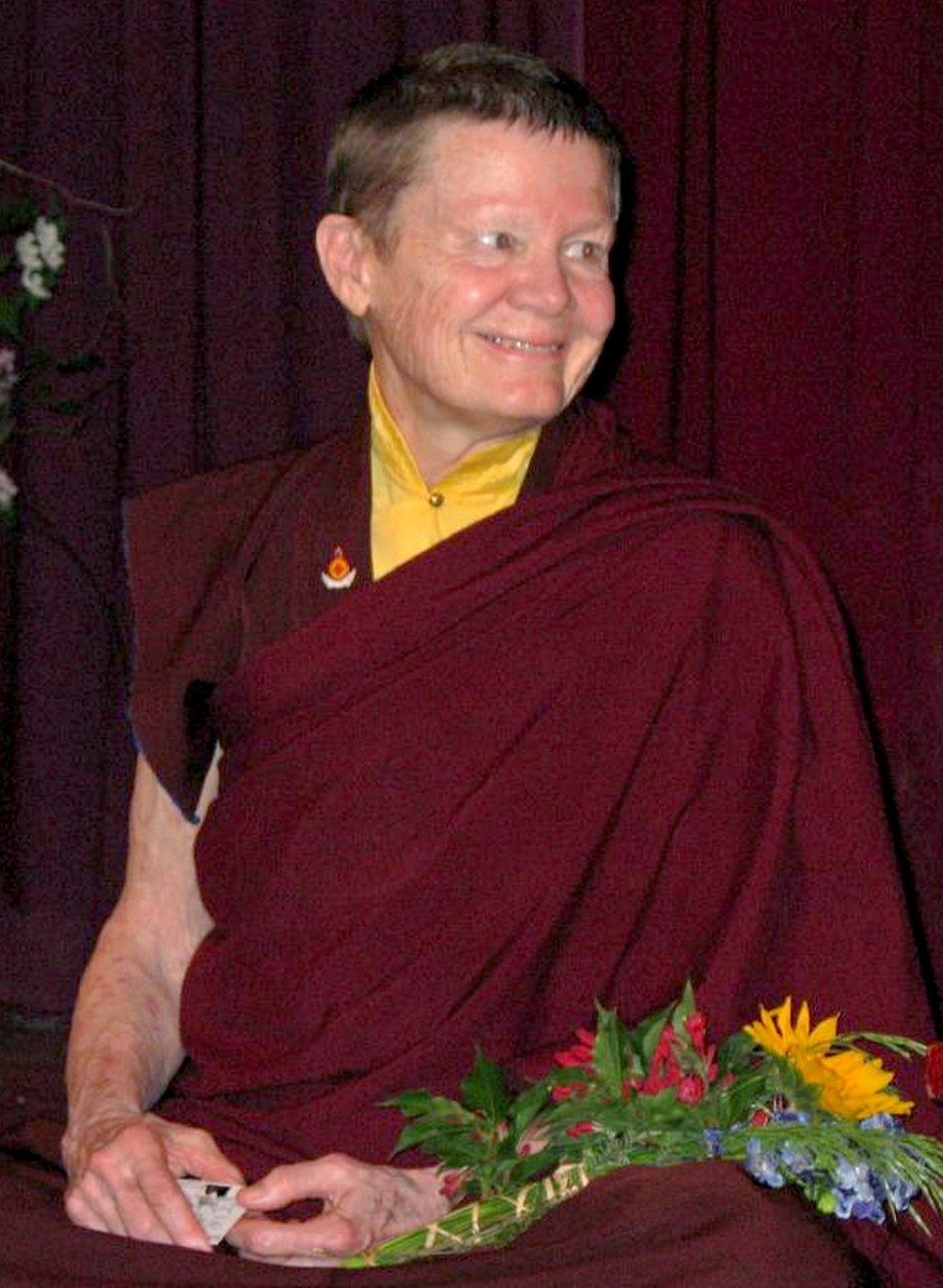
Embracing Reality: The Path to Liberation
Pema Chödrön's assertion that "There is no escape, except into reality itself" invites us to confront the often uncomfortable truths of our existence. In a world rife with distractions and illusions, we frequently seek refuge in fantasies, denial, or avoidance. Yet, Chödrön reminds us that true liberation lies not in fleeing from our circumstances but in fully engaging with the reality of our lives. This perspective challenges us to embrace our experiences, however painful or disconcerting, as the gateway to genuine understanding and growth.
Delving deeper, we recognize that this quote encapsulates a profound spiritual truth: the essence of reality is not merely an external condition but an internal state of being. To escape into reality is to cultivate awareness, to awaken to the present moment, and to acknowledge the richness of our experiences without judgment. This teaching resonates deeply within the Buddhist tradition, where the practice of mindfulness serves as a cornerstone for awakening. By facing our reality, we can dismantle the barriers that keep us from experiencing life in its fullness, ultimately leading us toward a more authentic existence.
The image / the metaphor
The imagery in Chödrön's quote evokes a sense of urgency and necessity. The word "escape" suggests a flight from something undesirable, while "reality" implies a grounding force that can be both liberating and daunting. The juxtaposition of these terms highlights the tension between our instinct to avoid discomfort and the call to confront it head-on. The verbs chosen—"escape" and "into"—imply movement, a transition from a place of avoidance to one of acceptance. This movement is not merely physical; it is a profound shift in consciousness that invites us to engage with our lives more fully.
Diving deeper into the metaphor, we can see that the act of escaping into reality is akin to a journey of self-discovery. It suggests that reality, often perceived as harsh or unforgiving, is, in fact, a fertile ground for growth and transformation. By embracing our reality, we cultivate resilience and develop a deeper understanding of our true selves. This metaphorical journey requires courage, as it often involves facing our fears, vulnerabilities, and the myriad complexities of life. Yet, it is through this very confrontation that we can uncover the richness of our existence and the interconnectedness of all beings.
In the speaker's tradition
Pema Chödrön's teachings are deeply rooted in the Buddhist tradition, which emphasizes the importance of understanding the nature of reality. Concepts such as dharma, the truth of existence, and sunyata, or emptiness, play a crucial role in this exploration. In Buddhism, the notion of escaping into reality aligns with the practice of mindfulness and the cultivation of prajna, or wisdom. By engaging with our experiences without attachment or aversion, we begin to see the world as it truly is, free from the distortions of our desires and fears.
Chödrön's insights can also be compared to the teachings found in the Heart Sutra, which articulates the concept of emptiness and the interdependent nature of all phenomena. This text encourages practitioners to let go of fixed notions and to embrace the fluidity of existence. In doing so, we can transcend the dualities that bind us and awaken to the profound reality of our interconnectedness. The wisdom of no escape, as Chödrön articulates, invites us to engage with this emptiness, recognizing that it is not a void but a space of potential and liberation.
Living the teaching
Consider a modern scenario where this teaching resonates: a person grappling with anxiety about their job. In an attempt to escape the discomfort, they might indulge in procrastination or distraction, avoiding the tasks that cause them stress. However, if they were to embrace the reality of their situation—acknowledging their fears and the challenges they face—they could begin to approach their work with a sense of clarity and purpose. By confronting their anxiety rather than fleeing from it, they open themselves to the possibility of growth and transformation, ultimately finding empowerment in their reality.
This teaching can also be applied in the context of relationships. Imagine a couple facing a significant conflict; one partner may wish to avoid the conversation altogether, fearing the discomfort it may bring. Yet, by choosing to engage with the reality of their feelings and the issues at hand, they create an opportunity for deeper understanding and connection. This willingness to face the truth of their relationship, rather than escaping into silence or denial, can lead to healing and a more profound bond. In both scenarios, the act of embracing reality becomes a transformative practice that fosters resilience and authenticity.
A reflection
As we contemplate Pema Chödrön's words, we are invited to reflect on our own tendencies to escape from reality. What aspects of your life do you find yourself avoiding? In what ways might embracing the fullness of your experiences—both the joyful and the painful—lead to greater understanding and liberation? This contemplative inquiry encourages us to explore the depths of our reality, inviting us to engage with life as it is, rather than how we wish it to be.




Join the BrightStar Community
Stay connected with daily inspiration, event announcements, and community wisdom