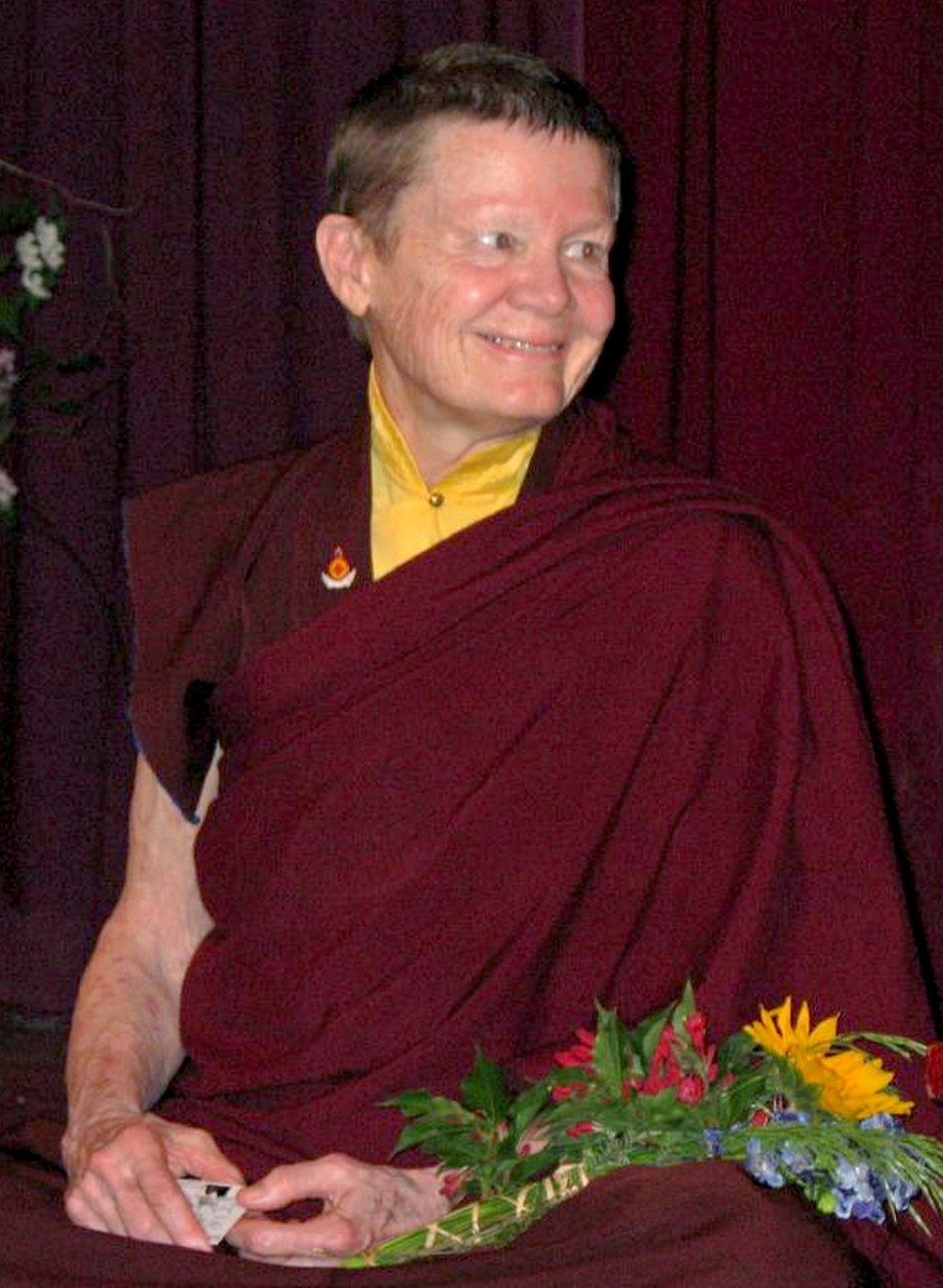
The Path of Peace: An Invitation to Presence
Pema Chödrön's assertion, "There is no path to peace; peace is the path," invites us to reconsider our understanding of peace as a destination rather than a continuous journey. This profound statement challenges the common perception that peace is something to be attained through external achievements or future circumstances. Instead, it emphasizes that peace is inherently woven into the fabric of our present experience, accessible through our mindful engagement with life as it unfolds. Recognizing this can transform our approach to both our inner and outer worlds, urging us to cultivate a state of being rather than a state of doing.
In a culture often obsessed with outcomes and future goals, Chödrön's words resonate with a deep truth that can liberate us from the relentless pursuit of peace. By understanding that peace is not a distant goal but rather a quality of awareness we can embody in every moment, we open ourselves to a more profound sense of fulfillment. This perspective invites us to explore the richness of our experiences, even in times of turmoil, and to recognize that the journey itself—marked by presence, acceptance, and compassion—holds the key to genuine peace.
The image / the metaphor
The imagery in Chödrön's quote is striking in its simplicity yet profound in its implications. The phrase "peace is the path" suggests a dynamic interplay between our inner state and the journey we undertake through life. It evokes a sense of walking along a path that is not defined by external markers of success or failure but rather by the quality of our presence in each step we take. The verbs chosen—"is" and "to be"—indicate a state of being rather than a series of actions, inviting us to embody peace rather than merely seek it.
Diving deeper into this metaphor, we can envision peace as a landscape we traverse, where each moment offers an opportunity to cultivate stillness and clarity. The path is not linear; it winds through the complexities of our emotions, relationships, and experiences. In this sense, peace becomes a practice of awareness, a way of engaging with the world that transforms our perception of challenges into opportunities for growth. By embracing this metaphor, we can begin to see that every moment, regardless of its nature, can be an invitation to practice peace.
In the speaker's tradition
Pema Chödrön's teachings are deeply rooted in the Buddhist tradition, which emphasizes the importance of mindfulness, compassion, and the understanding of impermanence. Concepts such as dharma—the natural law that governs the universe—and sunyata, or emptiness, play a crucial role in understanding her perspective on peace. In Buddhism, the path is not merely a series of steps to enlightenment but a continuous unfolding of awareness and presence. This aligns with Chödrön's assertion that peace is not a destination but an integral part of our journey.
In her work, particularly in "The Wisdom of No Escape," Chödrön draws upon the teachings of the Buddha, who emphasized the importance of being present with our experiences. The Four Noble Truths, which outline the nature of suffering and the path to liberation, echo the sentiment that peace arises from our relationship with our thoughts and emotions rather than from external circumstances. By recognizing the impermanence of all things and embracing the present moment, we can cultivate a sense of peace that is resilient and transformative.
Living the teaching
Consider a modern scenario where this teaching can be applied: imagine a busy day filled with deadlines and responsibilities. In the midst of this chaos, the idea that "peace is the path" can serve as a grounding reminder. Instead of waiting for the day to end or for a moment of silence to arrive, one can practice finding peace in the midst of activity. This might involve taking a few deep breaths, pausing to observe one’s thoughts, or even engaging in a brief moment of gratitude. Such practices can transform the experience of busyness into a mindful journey, where peace is not an escape but a companion.
Another application of this teaching can be found in relationships, particularly during conflicts. When disagreements arise, the instinct may be to seek resolution as a means to achieve peace. However, Chödrön's insight encourages us to recognize that peace can be cultivated even in the heat of disagreement. By approaching the situation with mindfulness, listening deeply, and allowing space for vulnerability, we can embody peace in our interactions. This practice not only enriches our relationships but also reinforces the understanding that peace is a living, breathing aspect of our daily lives.
A reflection
As we contemplate Pema Chödrön's profound statement, we are invited to reflect on our own relationship with peace. How often do we find ourselves waiting for external circumstances to align before we allow ourselves to feel at peace? In what ways can we begin to embody peace in our daily lives, regardless of the chaos that surrounds us? This contemplation can serve as a powerful reminder that peace is not a distant goal but a present reality waiting to be embraced.




Join the BrightStar Community
Stay connected with daily inspiration, event announcements, and community wisdom