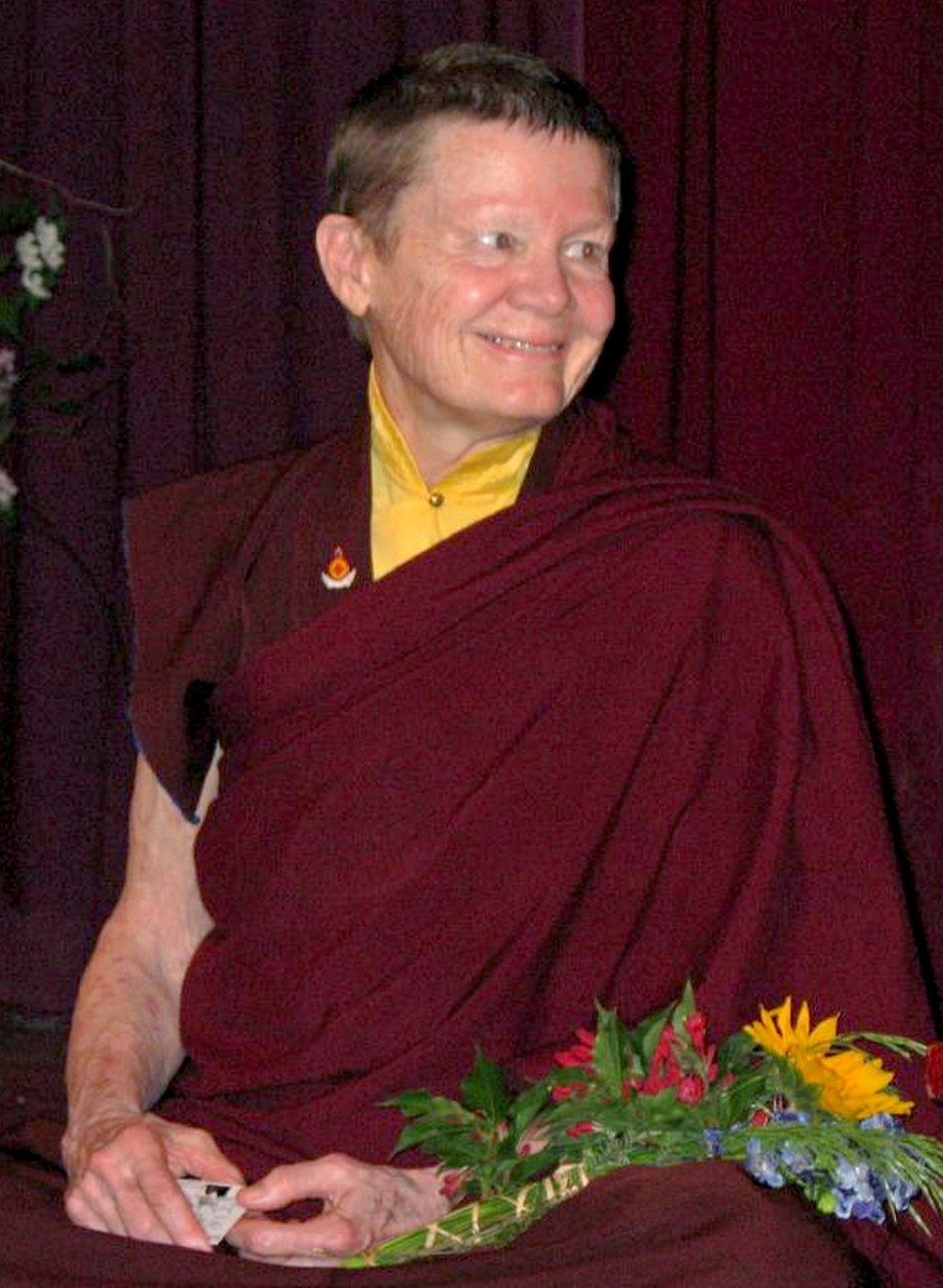
Beyond the Veil of Illusion
Pema Chödrön's assertion that "Things are not what they seem. Nor are they otherwise" invites us into a profound exploration of reality and perception. At first glance, this statement may appear paradoxical, yet it beckons us to question the very nature of our experiences and the truths we hold dear. In a world often dominated by surface appearances, this teaching challenges us to look deeper, to recognize the layers of meaning that lie beneath the obvious. The stakes are high, as our understanding of reality shapes our actions, relationships, and ultimately, our sense of self.
In delving into this quote, we find ourselves at the intersection of perception and reality, where the ordinary becomes extraordinary. Chödrön's words resonate with the essence of Buddhist philosophy, urging us to confront the illusions that cloud our understanding. This contemplation is not merely an intellectual exercise; it is a call to awaken to the fluidity of existence and to embrace the uncertainty that accompanies it. By acknowledging that things are neither fixed nor entirely as they appear, we open ourselves to a more expansive view of life, one that is rich with possibility and insight.
The image / the metaphor
The imagery in Chödrön's quote evokes a sense of duality and ambiguity, suggesting that our perceptions are often misleading. The phrase "things are not what they seem" implies a veil obscuring the true nature of reality, while "nor are they otherwise" hints at a deeper truth that transcends our conventional understanding. The verbs chosen—"are" and "seem"—create a dynamic interplay between existence and appearance, inviting us to consider the limitations of our perceptions. This felt sense of tension between what is and what appears to be serves as a reminder that our experiences are often colored by our beliefs and biases.
Diving deeper into the metaphor, we can see that Chödrön is pointing to the concept of emptiness, or sunyata, a central tenet in Buddhist thought. This emptiness is not a void but rather a space of potentiality, where meanings are not fixed and identities are fluid. The quote encourages us to embrace this ambiguity, to recognize that our attachments to fixed notions of reality can lead to suffering. By understanding that things are not as solid as they seem, we can cultivate a sense of openness and curiosity, allowing us to engage with life in a more authentic and compassionate way.
In the speaker's tradition
Pema Chödrön's teachings are deeply rooted in the Mahayana Buddhist tradition, which emphasizes the interconnectedness of all beings and the importance of compassion. The notion of emptiness, or sunyata, is pivotal in this context, as it invites practitioners to see beyond the illusions of self and other. This perspective aligns with the concept of prajna, or wisdom, which encourages us to discern the nature of reality without being ensnared by our preconceived notions. Chödrön's quote serves as a reminder that our understanding of truth is often clouded by our attachments and aversions, and that liberation lies in recognizing the fluidity of existence.
A relevant text that echoes this sentiment is the Heart Sutra, which famously states, "Form is emptiness, emptiness is form." This profound teaching encapsulates the essence of Chödrön's quote, as it challenges us to reconsider our relationship with the world. By recognizing that our perceptions are shaped by our conditioning, we can begin to dismantle the barriers that separate us from a deeper understanding of reality. In this way, Chödrön's words become a guiding light, illuminating the path toward greater awareness and compassion.
Living the teaching
Consider a modern scenario where this teaching finds resonance: a workplace conflict. Imagine two colleagues who perceive a project differently, leading to tension and misunderstandings. Each is convinced of their perspective, viewing the situation through a lens of personal bias. Chödrön's teaching invites them to step back and recognize that their perceptions are not the absolute truth. By acknowledging that "things are not what they seem," they can engage in open dialogue, fostering empathy and collaboration rather than division. This shift in perspective can transform conflict into an opportunity for growth and connection.
In the realm of relationships, this teaching can also be profoundly impactful. Picture a moment of frustration with a partner, where one feels misunderstood or unappreciated. The immediate reaction may be to cling to the narrative of being wronged, but Chödrön's wisdom encourages a pause. By contemplating that "nor are they otherwise," one can explore the possibility that both partners are navigating their own fears and insecurities. This awareness can lead to a deeper understanding and compassion, allowing for healing and connection rather than blame and resentment. In both scenarios, the practice of recognizing the fluidity of perception opens the door to deeper relationships and a more harmonious existence.
A reflection
As we reflect on Pema Chödrön's insightful words, we are invited to consider the nature of our own perceptions. What assumptions do we hold that may cloud our understanding of ourselves and others? In what ways can we cultivate a sense of openness to the complexities of life, recognizing that our truths may be but one facet of a larger reality? By engaging with these questions, we can begin to unravel the layers of illusion that bind us, allowing for a more authentic and compassionate way of being in the world.




Join the BrightStar Community
Stay connected with daily inspiration, event announcements, and community wisdom