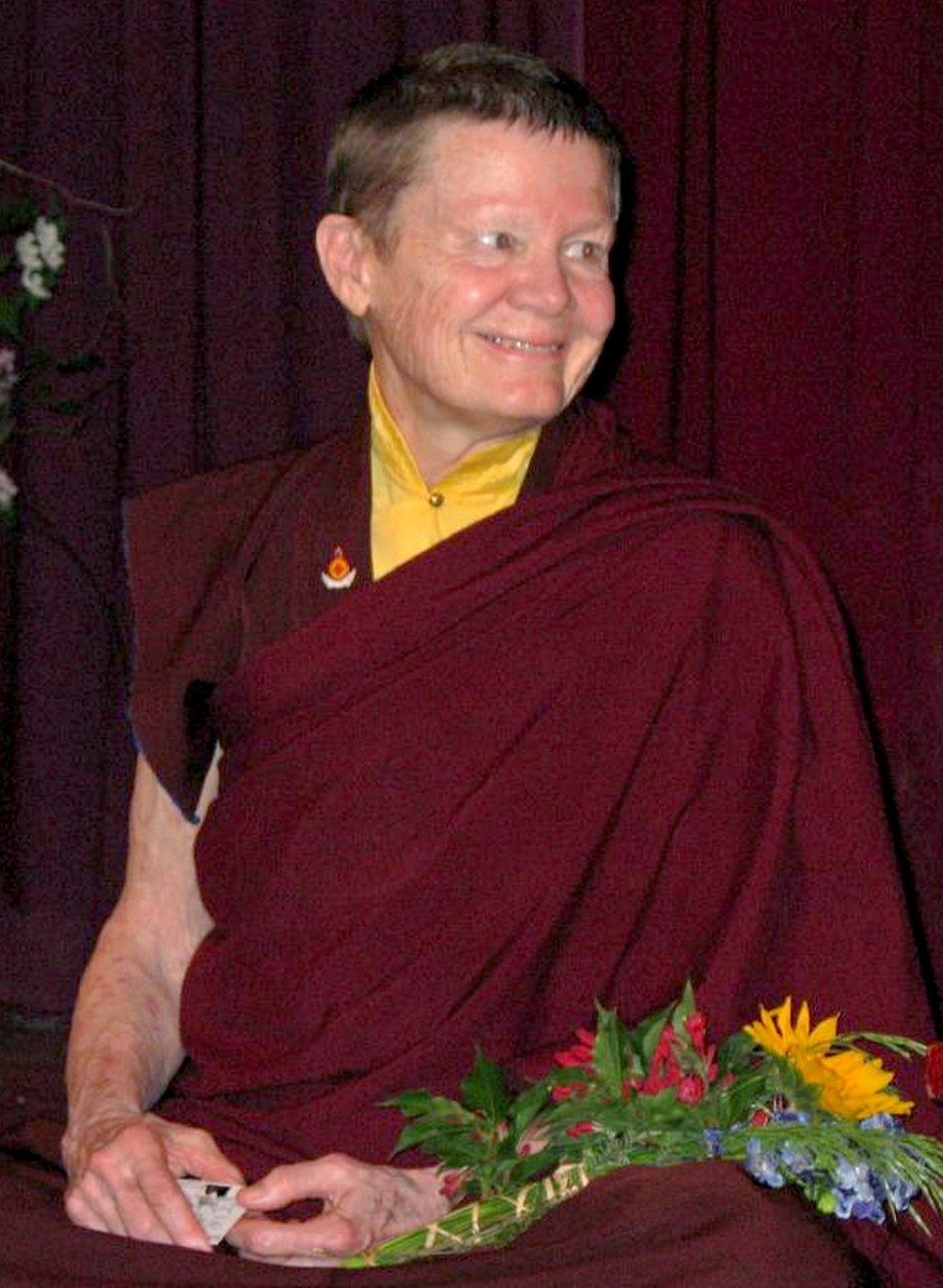
The Courage of an Open Heart
Pema Chödrön's assertion that "to live with an open heart is to be willing to be moved" invites us to embrace vulnerability as a pathway to deeper connection and understanding. This statement encapsulates a profound truth about the human experience: that our capacity to engage with the world is directly tied to our willingness to feel, to be affected by the ebb and flow of life. In a culture often steeped in self-protection and emotional armor, this teaching serves as a gentle reminder of the transformative power of openness.
To live with an open heart is not merely an emotional state; it is an active choice that requires courage and a willingness to confront discomfort. It challenges us to let go of rigid boundaries that separate us from others and from our own authentic selves. In doing so, we cultivate a space where empathy, compassion, and genuine connection can flourish. This openness, however, is not without its challenges; it calls us to navigate the complexities of our emotions and the unpredictability of life with grace and resilience.
The image / the metaphor
The imagery of an "open heart" evokes a sense of vulnerability and receptivity. It suggests a heart that is not closed off by fear or past hurt but is instead willing to embrace the full spectrum of human experience. The verb "to be moved" implies a dynamic quality, one that invites change and transformation. It conjures the image of a heart that beats in rhythm with the world, responding to the joys and sorrows that life presents. This movement is not passive; it requires an active engagement with our surroundings and an openness to the lessons they offer.
Diving deeper into this metaphor, we can see that an open heart is akin to a vessel that can hold both light and shadow. It is a heart that welcomes not only happiness but also pain, recognizing that both are integral to the human experience. This duality enriches our understanding of ourselves and others, allowing us to cultivate compassion in the face of suffering. In this way, being moved becomes a transformative act, one that can lead to greater wisdom and connection.
In the speaker's tradition
Pema Chödrön's teachings are deeply rooted in the Buddhist tradition, where concepts such as *sunyata* (emptiness) and *karuna* (compassion) play pivotal roles. Living with an open heart aligns closely with the Buddhist understanding of *dharma*, which encourages us to engage with life as it is, rather than how we wish it to be. This openness is a form of *kenosis*, a self-emptying that allows us to be fully present and responsive to the world around us. In this context, being willing to be moved is not just a personal journey; it is a communal one, fostering interconnectedness and shared humanity.
In her book "Welcoming the Unwelcome," Chödrön emphasizes the importance of embracing discomfort as a pathway to growth. This echoes the teachings found in the *Heart Sutra*, where the realization of emptiness leads to the liberation of the heart. Just as the sutra teaches that form is emptiness and emptiness is form, so too does Chödrön remind us that our openness can lead to profound insights and connections, transforming our experiences of suffering into opportunities for compassion.
Living the teaching
Consider a modern scenario where this teaching might resonate: a workplace filled with tension and competition. In such an environment, the instinct may be to protect oneself, to build walls that keep others at bay. However, if one chooses to live with an open heart, they might approach their colleagues with curiosity and empathy, seeking to understand their perspectives rather than merely defending their own. This willingness to be moved by the experiences of others can foster collaboration and create a more harmonious workplace, transforming the atmosphere from one of conflict to one of support.
In the realm of personal relationships, the teaching of living with an open heart can be equally transformative. Imagine a moment of conflict with a loved one, where emotions run high and misunderstandings abound. Instead of retreating into defensiveness, one might choose to remain open, allowing themselves to be moved by the other’s feelings. This act of vulnerability can lead to deeper understanding and healing, as both parties engage in a dialogue that honors their shared humanity. In this way, the practice of openness becomes a powerful tool for nurturing relationships and fostering connection.
A reflection
As we contemplate Pema Chödrön's wisdom, we are invited to reflect on our own lives: How willing are we to live with an open heart? What fears or past experiences might be holding us back from being fully present and engaged with the world around us? In this moment of reflection, consider the ways in which you might embrace vulnerability and openness, allowing yourself to be moved by the beauty and complexity of life. What might change if you chose to welcome the unwelcome with an open heart?




Join the BrightStar Community
Stay connected with daily inspiration, event announcements, and community wisdom