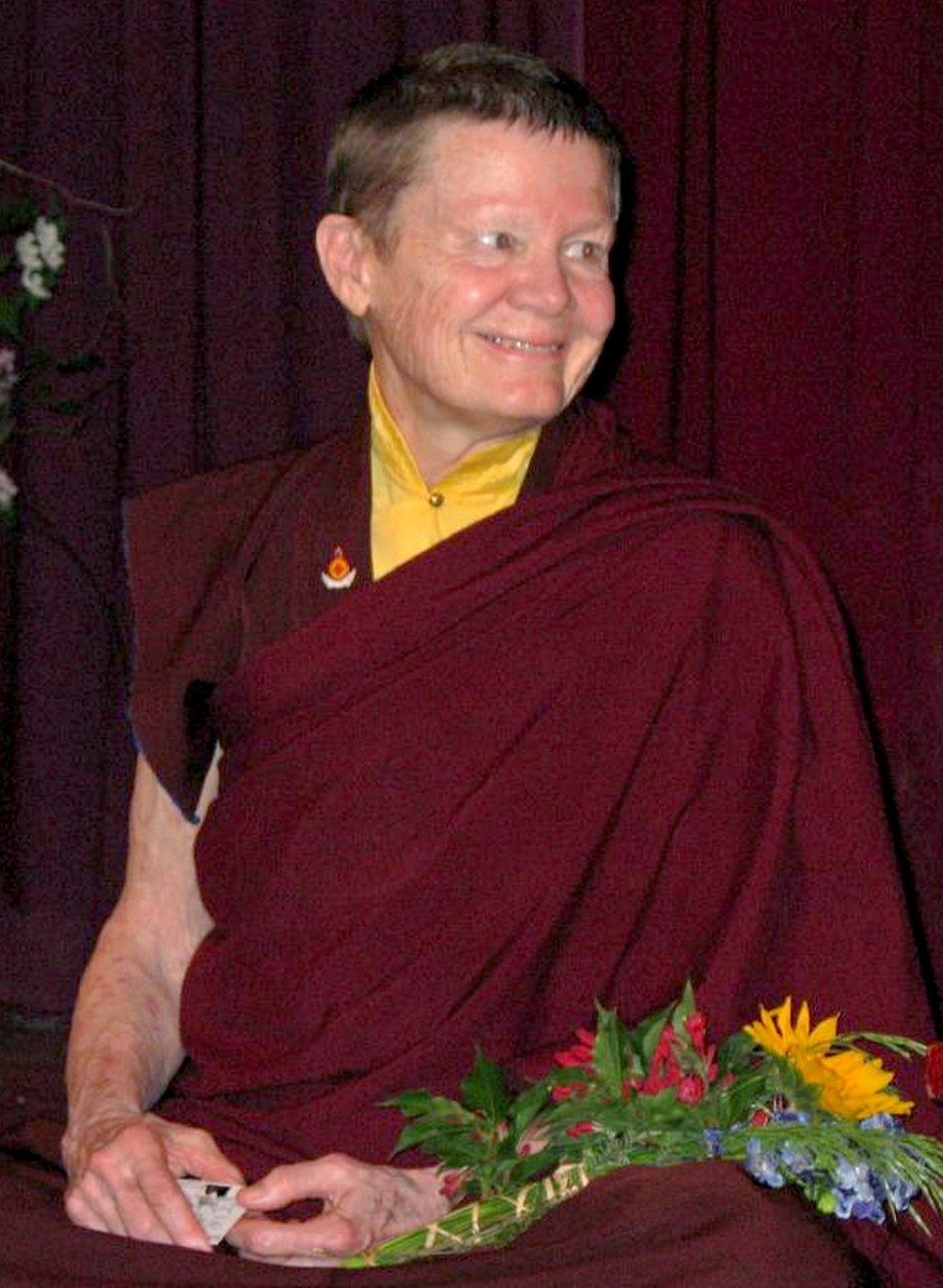
The Heart of Compassion: Embracing Tonglen Practice
Pema Chödrön's assertion that "Tonglen practice is exchanging oneself for others" invites us into a profound exploration of compassion and interconnectedness. This practice, rooted in Tibetan Buddhism, challenges us to step outside our own suffering and embrace the pain of others, transforming it into compassion and love. In a world often marked by division and self-interest, this teaching serves as a vital reminder of our shared humanity and the potential for healing through empathy.
At its core, the practice of Tonglen is an invitation to cultivate a deep sense of connection with others, particularly those who are suffering. By consciously exchanging our own well-being for the well-being of others, we engage in a transformative act that not only alleviates the suffering of those around us but also fosters our own spiritual growth. This reciprocal exchange is not merely an act of altruism; it is a profound acknowledgment of the interconnected web of existence that binds us all together.
The image / the metaphor
The imagery embedded in Chödrön's quote evokes a powerful sense of exchange and transformation. The act of "exchanging oneself for others" suggests a dynamic interplay where we consciously take on the pain and suffering of others, breathing in their anguish while simultaneously breathing out compassion and healing. This vivid metaphor illustrates the active nature of Tonglen, where we are not passive observers but engaged participants in the alleviation of suffering.
Diving deeper into this metaphor, we can envision Tonglen as a dance of energy, where the inhalation represents a courageous embrace of the world's suffering, and the exhalation symbolizes the release of love and compassion. This cyclical process reflects the Buddhist understanding of emptiness (sunyata), where the boundaries between self and other dissolve, allowing us to experience the profound truth that our well-being is inextricably linked to the well-being of all beings. In this way, Tonglen becomes a practice of radical compassion that transcends the limitations of the ego.
In the speaker's tradition
Pema Chödrön's teachings are deeply rooted in the Tibetan Buddhist tradition, which emphasizes the importance of compassion (karuna) and loving-kindness (metta) as essential qualities on the path to enlightenment. Tonglen practice embodies these principles, inviting practitioners to cultivate a heart that is open to the suffering of others while recognizing the interconnectedness of all life. This practice resonates with the concept of kenosis, or self-emptying, found in various spiritual traditions, where the act of letting go of the self allows for a deeper connection with others.
In her book "Start Where You Are," Chödrön draws upon the teachings of the Buddha, who emphasized the importance of compassion as a means to alleviate suffering. The Heart Sutra, a foundational text in Mahayana Buddhism, echoes this sentiment by proclaiming the emptiness of all phenomena, suggesting that our attachments to self and other are illusions that hinder our ability to truly connect. By engaging in Tonglen, we align ourselves with this profound wisdom, recognizing that the path to liberation is paved with acts of compassion and selflessness.
Living the teaching
Consider a modern scenario where Tonglen practice can be applied: a friend confides in you about their struggles with anxiety and loneliness. In this moment, you might feel the instinct to offer platitudes or solutions, but instead, you can engage in Tonglen by first acknowledging their pain. As you breathe in their suffering, you allow yourself to feel the weight of their experience, creating a space of empathy. With each exhalation, you visualize sending them warmth and understanding, transforming their pain into compassion. This practice not only supports your friend but also deepens your own capacity for empathy.
Another application of Tonglen can be found in the context of difficult relationships. Imagine a situation where you are in conflict with a colleague or family member. Instead of allowing resentment to fester, you can practice Tonglen by inhaling the tension and frustration that exists between you, recognizing it as a shared human experience. As you exhale, you send out compassion and understanding, not only for them but for yourself as well. This conscious act of exchange can shift the dynamic of the relationship, fostering healing and connection where there was once division.
A reflection
As we contemplate Pema Chödrön's teaching on Tonglen, we are invited to reflect on the nature of our own compassion. How often do we allow ourselves to truly feel the suffering of others, and in what ways can we cultivate a practice of exchange in our daily lives? By engaging with this contemplative question, we open ourselves to the possibility of transformation, both for ourselves and for those around us, embracing the profound interconnectedness that lies at the heart of our shared existence.




Join the BrightStar Community
Stay connected with daily inspiration, event announcements, and community wisdom