Embracing the Shadows Within
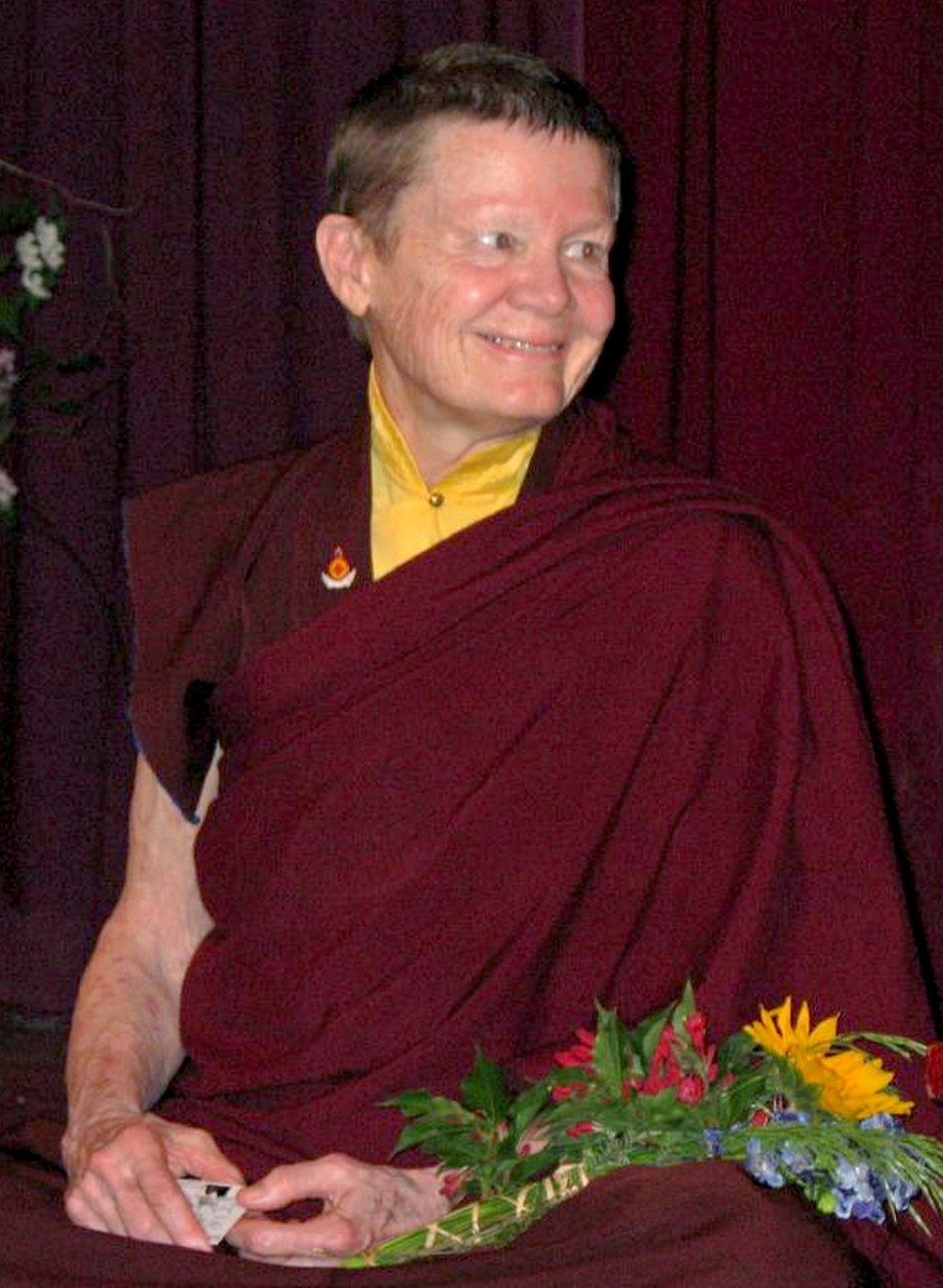
Pema Chödrön's profound assertion, "What we don't acknowledge in ourselves, we will hate in others," invites us to explore the intricate relationship between self-awareness and our perceptions of others. This statement serves as a mirror, reflecting the often unexamined aspects of our own psyche that we project onto those around us. The stakes are high; failing to recognize our inner shadows can lead to a cycle of blame and resentment, ultimately hindering our capacity for compassion and understanding. In a world rife with division, this teaching beckons us to turn inward, fostering a deeper connection with ourselves and, consequently, with others.
Delving deeper into this wisdom, we uncover the layers of projection that shape our interactions. When we fail to acknowledge our own flaws, insecurities, or unfulfilled desires, we may unconsciously attribute these traits to others, leading to a distorted view of reality. This projection not only clouds our judgment but also fosters a sense of alienation from those we deem different or unworthy. By embracing the uncomfortable truths within ourselves, we can cultivate a more compassionate perspective, allowing us to see others not as adversaries but as reflections of our shared humanity.
The image / the metaphor
The imagery in Chödrön's quote evokes a sense of introspection and confrontation. The verbs "acknowledge" and "hate" create a stark contrast, highlighting the emotional weight of our inner struggles. To acknowledge is to bring to light the hidden aspects of ourselves, while to hate signifies a rejection of those same qualities when they manifest in others. This dynamic creates a visceral sense of conflict, as we grapple with the discomfort of recognizing our own shortcomings while simultaneously projecting them onto others.
Metaphorically, this quote serves as a reminder that our perceptions of others are often colored by our internal landscape. The shadows we refuse to confront within ourselves become the very lens through which we view the world. In this way, our relationships become a canvas upon which we project our unresolved issues, painting others with the hues of our own fears and insecurities. By illuminating these shadows, we can begin to reclaim the power of our perceptions, transforming them from sources of division into opportunities for connection and healing.
In the speaker's tradition
Pema Chödrön's teachings are deeply rooted in the Buddhist tradition, which emphasizes the importance of self-awareness and the interconnectedness of all beings. Concepts such as *sunyata* (emptiness) and *prajna* (wisdom) resonate with her assertion, inviting us to recognize that our perceptions are often clouded by ignorance. In Buddhism, the practice of *kenosis*, or self-emptying, encourages us to let go of our rigid self-concepts, allowing space for compassion and understanding to flourish. This process of self-examination is essential for cultivating a genuine connection with others, as it reveals the shared vulnerabilities that bind us together.
In her book, *The Places That Scare You*, Chödrön draws upon the teachings of the Buddha, who emphasized the importance of recognizing our attachments and aversions. The Buddha's insights into the nature of suffering and the path to liberation echo Chödrön's message, urging us to confront the aspects of ourselves that we often deny. By engaging with our shadows, we can cultivate a deeper understanding of our own suffering, ultimately leading to greater empathy for the struggles of others.
Living the teaching
Consider a modern scenario where this teaching resonates: a workplace conflict. Imagine a colleague who consistently frustrates you with their behavior. Instead of merely attributing your irritation to their shortcomings, you might pause to reflect on what aspects of their behavior trigger your discomfort. Perhaps their assertiveness mirrors your own suppressed desires for self-expression, or their indecisiveness highlights your fear of vulnerability. By acknowledging these feelings within yourself, you can approach the situation with greater empathy, fostering a more harmonious work environment.
In the realm of personal relationships, this teaching can be equally transformative. Picture a moment of tension with a loved one, where you find yourself reacting with anger or frustration. Instead of blaming them for their actions, you might take a step back and inquire into your own emotional landscape. What insecurities or fears are being stirred within you? By embracing these feelings, you can engage in a more open dialogue, allowing for healing and deeper connection rather than perpetuating a cycle of blame.
A reflection
As we contemplate Chödrön's wisdom, we are invited to engage in a profound inquiry: What aspects of myself do I struggle to acknowledge, and how might these shadows influence my perceptions of others? This question serves as a catalyst for self-exploration, encouraging us to embrace the complexities of our inner world. By fostering awareness of our projections, we can cultivate a more compassionate and understanding relationship with both ourselves and those around us, ultimately transforming our interactions into opportunities for growth and connection.


Join the BrightStar Community
Stay connected with daily inspiration, event announcements, and community wisdom