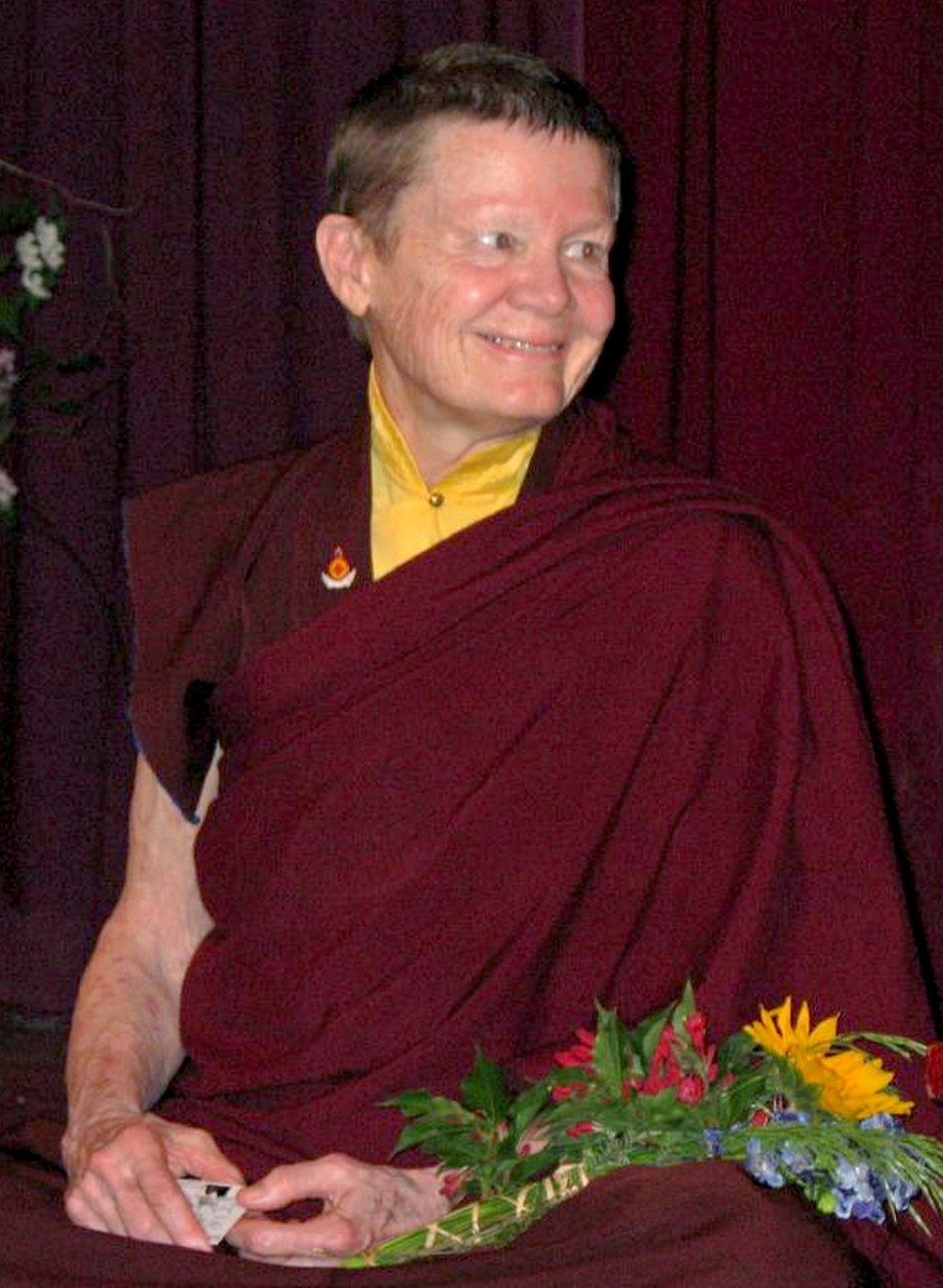
The Ripple of Kindness: Embracing Interbeing
Pema Chödrön's profound assertion, "What you do for yourself, any gesture of kindness, is a gesture of kindness to all beings," invites us to reconsider the nature of our actions and their far-reaching implications. This statement encapsulates a fundamental truth about interconnectedness, suggesting that our individual acts of kindness resonate beyond the self, touching the lives of others in ways we may not immediately perceive. In a world often marked by division and isolation, this perspective serves as a reminder of our shared humanity and the collective responsibility we hold for one another.
Delving deeper, Chödrön's words challenge the notion of self-interest, urging us to recognize that self-care and kindness are not merely personal pursuits but are intrinsically linked to the well-being of all beings. This understanding fosters a sense of unity, where the boundaries between self and other dissolve, revealing the intricate web of existence that binds us together. By nurturing ourselves through acts of kindness, we simultaneously cultivate compassion and empathy for others, creating a ripple effect that can transform our communities and the world at large.
The image / the metaphor
The imagery in Chödrön's quote evokes a sense of fluidity and connection, suggesting that our actions are like ripples in a pond, spreading outward from the point of origin. The verbs "do" and "gesture" imply intentionality and movement, highlighting the active nature of kindness as something that flows from the self into the broader world. This felt sense of interconnectedness invites us to visualize our kindness as a living force, capable of touching hearts and minds far beyond our immediate surroundings.
Moreover, the metaphor of kindness as a gesture emphasizes the simplicity and accessibility of this practice. It is not reserved for grand acts of charity or monumental sacrifices; rather, it can be found in the small, everyday moments where we choose to extend compassion to ourselves and others. This perspective encourages us to see kindness as a natural expression of our being, one that can be cultivated and shared freely, thereby enriching the tapestry of life in which we all participate.
In the speaker's tradition
Pema Chödrön's teachings are deeply rooted in the Buddhist tradition, which emphasizes the concept of interbeing—a term that encapsulates the idea that all phenomena are interconnected and interdependent. This notion aligns closely with the Buddhist principle of sunyata, or emptiness, which posits that nothing exists in isolation; rather, everything is shaped by its relationships with others. By recognizing that our actions have implications for the collective, we begin to embody the essence of dharma, the natural law that governs ethical conduct and compassionate living.
In her work, Chödrön often references the teachings of the Buddha, particularly the Four Noble Truths and the Eightfold Path, which guide practitioners toward a life of mindfulness and compassion. The idea that our kindness to ourselves can extend to all beings resonates with the Buddhist practice of loving-kindness (metta), which encourages us to cultivate goodwill toward ourselves and others alike. This interconnectedness is beautifully illustrated in the text "The Heart Sutra," which reminds us that form is emptiness and emptiness is form, reinforcing the idea that our individual experiences are inextricably linked to the experiences of all beings.
Living the teaching
Consider a modern scenario where this teaching can take root: a busy professional, overwhelmed by the demands of work and life, decides to take a moment for self-care by practicing mindfulness meditation. In this act of kindness toward herself, she cultivates a sense of peace and clarity that not only benefits her own well-being but also enhances her interactions with colleagues and loved ones. As she approaches her day with greater compassion and patience, the positive energy she radiates can uplift those around her, demonstrating how self-kindness can create a ripple effect of goodwill.
In a different context, imagine a relationship strained by misunderstandings and unspoken grievances. By choosing to practice kindness toward oneself—acknowledging one’s own feelings and needs—individuals can foster a space for open communication and healing. This act of self-kindness allows for vulnerability and authenticity, paving the way for deeper connections and mutual understanding. In both scenarios, the essence of Chödrön's teaching becomes evident: when we nurture ourselves, we inherently nurture the world.
A reflection
As we contemplate Pema Chödrön's insightful words, we are invited to reflect on the ways in which our actions ripple through the fabric of existence. How can we cultivate kindness toward ourselves in our daily lives, and how might that kindness extend to others? This question encourages us to explore the interconnectedness of our experiences and to recognize that every gesture of compassion, no matter how small, contributes to the greater tapestry of life.




Join the BrightStar Community
Stay connected with daily inspiration, event announcements, and community wisdom