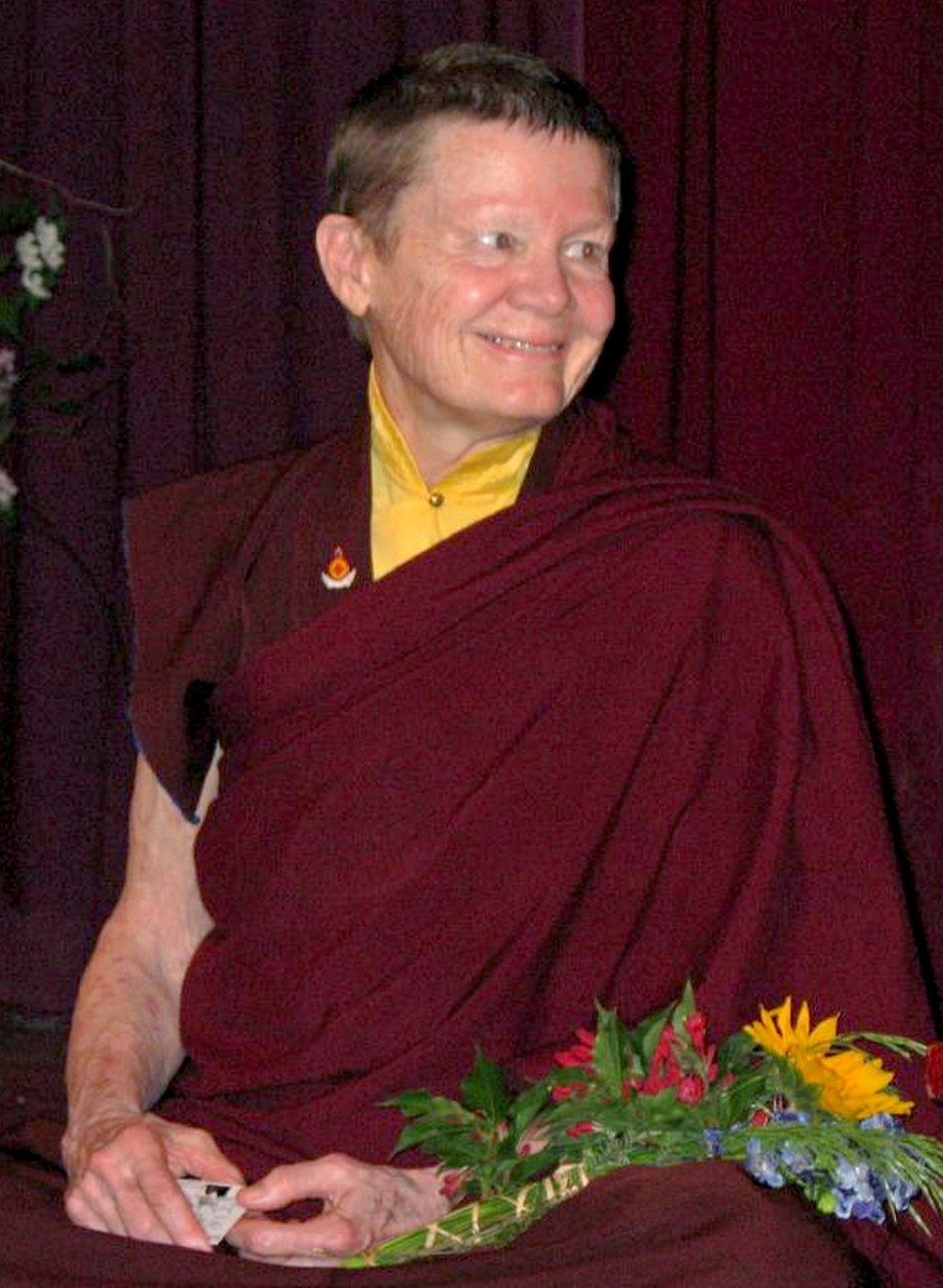
Embracing Pain: The Birthplace of Wisdom
Pema Chödrön's assertion that "wisdom is born in the heart that has met its own pain" invites us to explore the profound relationship between suffering and insight. This quote suggests that true wisdom does not arise from a place of comfort or ignorance but rather from the depths of our own struggles and vulnerabilities. In a world that often seeks to avoid pain, Chödrön's words remind us that embracing our suffering can lead to a deeper understanding of ourselves and the nature of existence.
In a culture that frequently glorifies happiness and success, Chödrön's perspective challenges us to reconsider our relationship with pain. It is through the act of meeting our own discomfort that we cultivate resilience and empathy, not only for ourselves but also for others. This journey into the heart of our pain can illuminate the path to wisdom, revealing insights that remain hidden in the shadows of avoidance. By acknowledging our suffering, we open ourselves to the transformative power of understanding and compassion.
The image / the metaphor
The imagery in Chödrön's quote evokes a sense of intimacy with our own emotional landscape. The heart, often seen as the seat of our deepest feelings, becomes a crucible where pain and wisdom intertwine. The verb "met" suggests an active engagement, a willingness to confront rather than flee from our suffering. This meeting is not a passive acceptance but a dynamic interaction that fosters growth and understanding. The heart, in this context, becomes a fertile ground where the seeds of wisdom can take root, nourished by the very experiences that challenge us.
Diving deeper into the metaphor, we can see that pain is not merely an obstacle to be overcome but a vital teacher. In Buddhist philosophy, pain is often viewed as a fundamental aspect of existence, a reminder of our shared humanity. By meeting our pain, we cultivate a sense of awareness that transcends individual suffering, connecting us to the broader tapestry of life. This understanding transforms pain from a source of isolation into a bridge that fosters connection, compassion, and ultimately, wisdom.
In the speaker's tradition
Pema Chödrön's teachings are deeply rooted in the Buddhist tradition, which emphasizes the importance of understanding suffering as a pathway to enlightenment. Central to this tradition is the concept of dukkha, often translated as suffering or unsatisfactoriness, which is a fundamental aspect of the human experience. By acknowledging and embracing dukkha, practitioners can cultivate prajna, or wisdom, that arises from direct experience rather than theoretical knowledge. This process of transformation aligns with the Buddhist practice of mindfulness, where one learns to observe their thoughts and feelings without attachment or aversion.
A relevant text that echoes Chödrön's sentiment is the "Heart Sutra," which speaks of sunyata, or emptiness. This concept suggests that our perceptions of pain and suffering are often clouded by our attachments and aversions. By recognizing the emptiness inherent in our experiences, we can begin to see beyond the immediate discomfort and uncover the wisdom that lies within. In this way, Chödrön's quote serves as a reminder that the journey through pain can lead us to a deeper understanding of the nature of reality itself.
Living the teaching
Consider a modern scenario where this teaching resonates: a person grappling with the loss of a loved one. Initially, the pain may feel overwhelming, leading to feelings of isolation and despair. However, as they allow themselves to fully experience this grief, they may begin to uncover insights about love, connection, and the impermanence of life. This process of meeting their pain can lead to a profound transformation, fostering a deeper appreciation for the moments shared and the lessons learned through loss.
In a different context, imagine a challenging relationship where misunderstandings and conflicts arise. Instead of avoiding the discomfort, one partner chooses to confront their feelings and communicate openly. This act of meeting their emotional pain not only fosters personal growth but also deepens the connection between them. By embracing vulnerability and honesty, they create a space for healing and understanding, illustrating how the wisdom born from pain can enrich our relationships and interactions.
A reflection
As we contemplate Chödrön's powerful assertion, we are invited to reflect on our own relationship with pain. What aspects of your life have you avoided confronting, and how might embracing that discomfort lead to greater wisdom and understanding? In this inquiry, we find an opportunity to transform our pain into a source of insight, illuminating the path toward a more compassionate and connected existence.




Join the BrightStar Community
Stay connected with daily inspiration, event announcements, and community wisdom