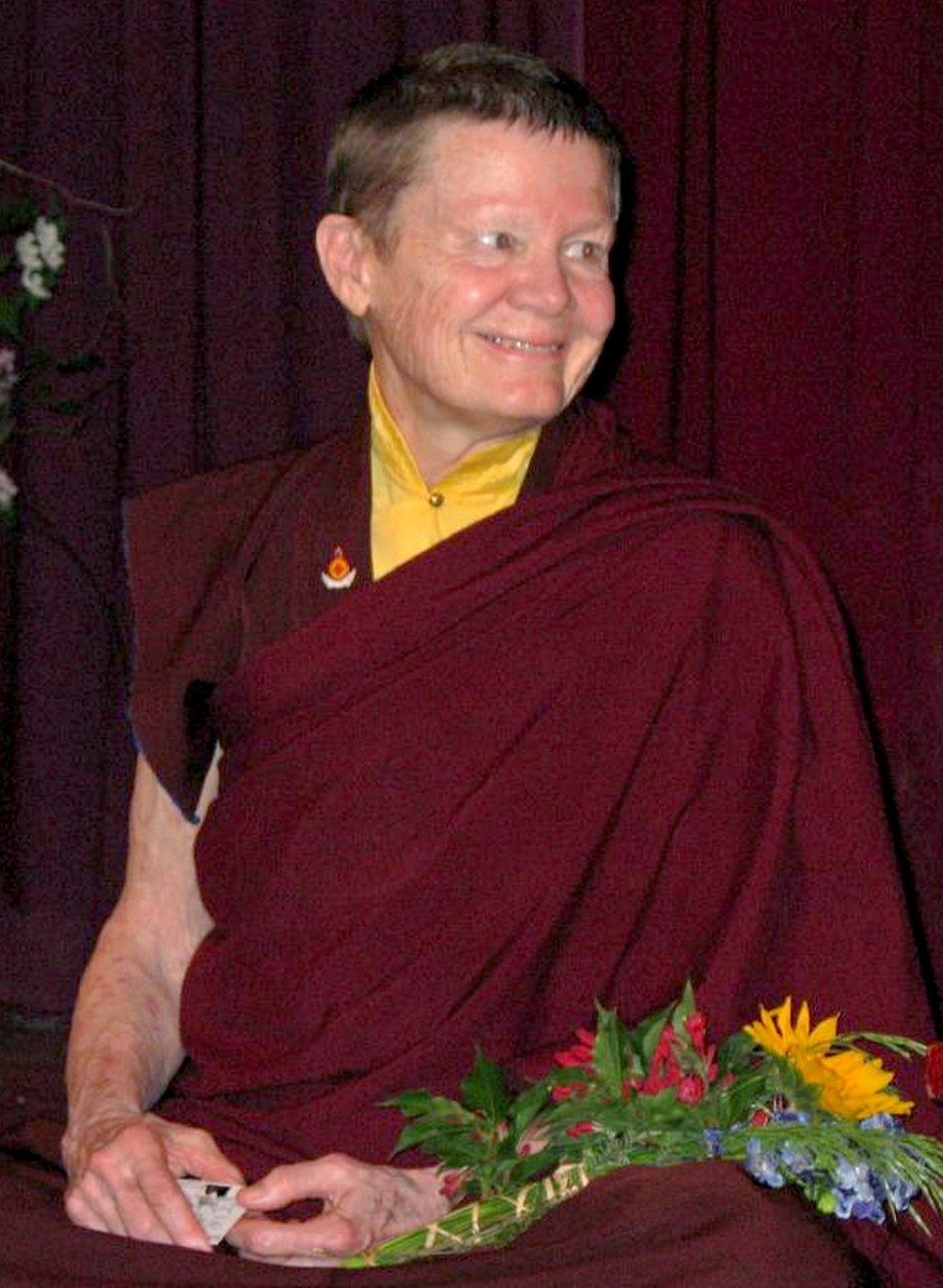
Embracing the Unruly Self: The Path to Self-Friendship
Pema Chödrön's poignant assertion, "You can't get rid of yourself by trying. So you might as well befriend who you are," invites us to reconsider our relationship with ourselves. In a world that often promotes self-improvement as a relentless pursuit, this quote serves as a gentle reminder that acceptance is the first step toward genuine transformation. The stakes are high; our attempts to escape our own nature can lead to a cycle of frustration and self-rejection, while befriending ourselves opens the door to compassion and understanding.
Chödrön's words resonate deeply in a culture that frequently equates self-worth with achievement and perfection. The notion of "getting rid of oneself" suggests a desire to erase perceived flaws or shortcomings, a futile endeavor that only breeds discontent. By encouraging us to befriend who we are, Chödrön invites us to cultivate a nurturing relationship with our inner selves, fostering a sense of peace and acceptance that can transform our lives. This journey toward self-friendship is not merely a personal endeavor; it is a profound spiritual practice that can lead to deeper connections with others and the world around us.
The image / the metaphor
The imagery in Chödrön's quote is striking in its simplicity yet profound in its implications. The act of "trying" to rid oneself of certain traits evokes a sense of struggle, a battle against one's own nature. The verb "befriend" suggests a gentle, nurturing approach, one that implies understanding and acceptance rather than conflict. This contrast between struggle and friendship encapsulates the essence of many spiritual journeys, where the path to liberation often lies in embracing rather than resisting.
Diving deeper into the metaphor, we can see that befriending oneself is akin to cultivating a garden. Just as a gardener tends to each plant with care, recognizing its unique needs and characteristics, so too must we approach ourselves with kindness. This process involves acknowledging our imperfections and vulnerabilities, allowing them to coexist with our strengths. In this light, self-friendship becomes a practice of nurturing our inner landscape, fostering growth and resilience rather than striving for an unattainable ideal.
In the speaker's tradition
Pema Chödrön's teachings are deeply rooted in the Buddhist tradition, which emphasizes the importance of self-awareness and compassion. Concepts such as *dharma*—the path of righteousness—and *sunyata*, or emptiness, resonate with the idea of befriending oneself. In Buddhism, the recognition of our inherent imperfections is not a source of shame but rather an opportunity for growth and understanding. This perspective aligns with the practice of *kenosis*, or self-emptying, which invites us to let go of rigid self-concepts and embrace the fluidity of our being.
In her book "Start Where You Are," Chödrön draws upon the teachings of the Buddha, who emphasized the importance of mindfulness and acceptance in the face of suffering. The *Four Noble Truths*, which outline the nature of suffering and the path to its cessation, echo the sentiment of befriending oneself. By acknowledging our struggles and cultivating a compassionate relationship with our inner selves, we can begin to navigate the complexities of life with greater ease and understanding.
Living the teaching
Consider a modern scenario where this teaching can be applied: a person grappling with anxiety about their career. In the relentless pursuit of success, they may find themselves overwhelmed by self-doubt and fear of failure. Instead of attempting to suppress these feelings or striving to become someone they are not, Chödrön's teaching encourages them to pause and acknowledge their emotions. By befriending their anxiety, they can explore its roots, understand its messages, and ultimately cultivate a more compassionate relationship with themselves, leading to healthier coping mechanisms and a clearer sense of purpose.
Another application of this teaching can be found in interpersonal relationships. Imagine a situation where a person feels misunderstood by a friend or partner. Instead of reacting defensively or trying to change the other person's perception, they can turn inward and reflect on their own feelings. By befriending their emotional responses—perhaps feelings of hurt or frustration—they can approach the conversation with greater empathy and openness. This practice not only fosters deeper connections but also encourages a more authentic expression of self, allowing for healing and understanding in the relationship.
A reflection
As we contemplate Chödrön's wisdom, we are invited to reflect on our own relationship with ourselves. How often do we find ourselves in a struggle against our own thoughts and feelings? In what ways can we begin to cultivate a sense of friendship with our inner selves, embracing both our strengths and vulnerabilities? This inquiry can serve as a powerful starting point for a deeper exploration of self-acceptance and compassion, guiding us toward a more harmonious existence.




Join the BrightStar Community
Stay connected with daily inspiration, event announcements, and community wisdom