The Vastness of Being: Embracing the Unknowable Self
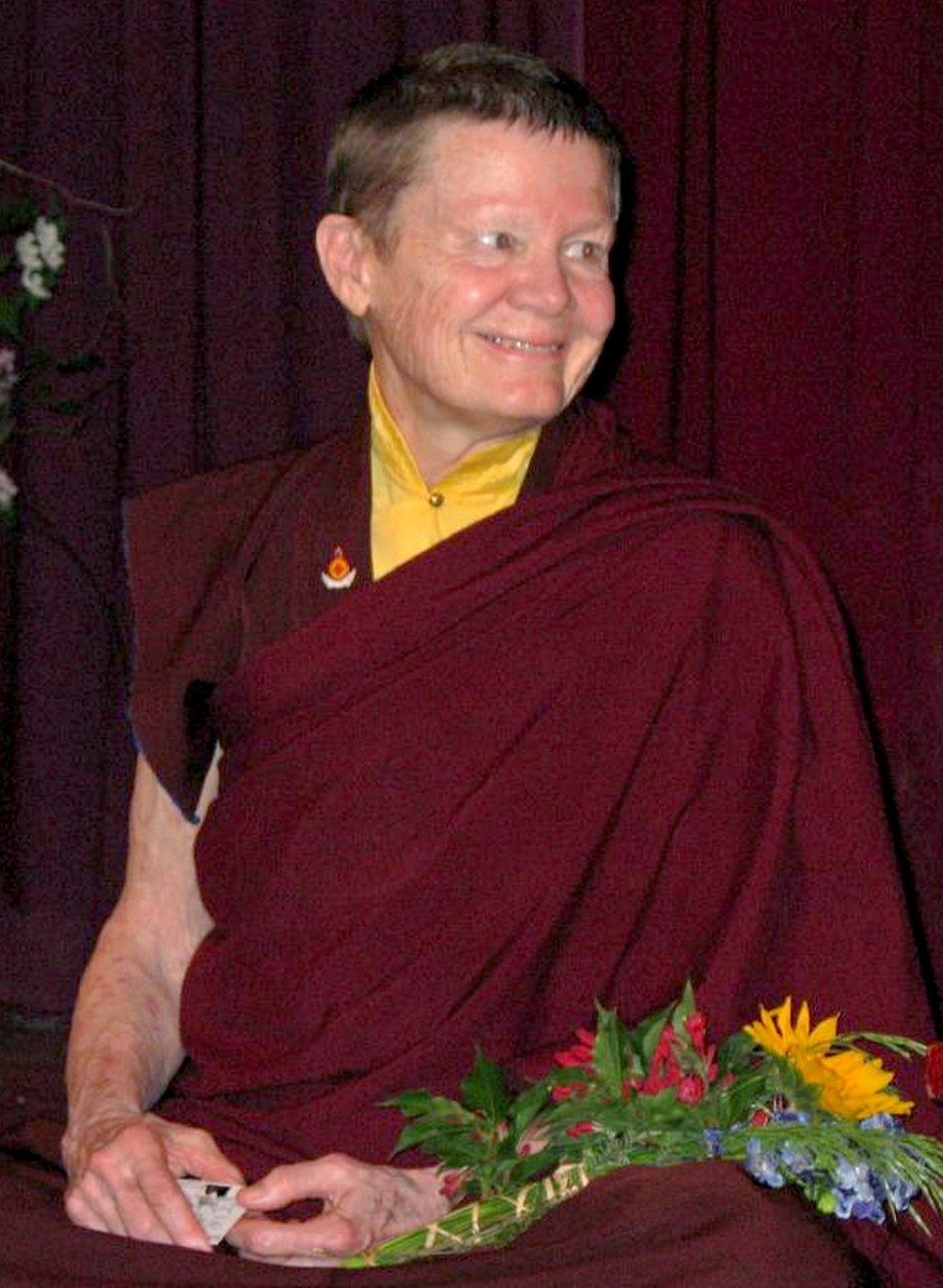
Pema Chödrön's assertion, "You're not what you think you are. You're vast and unknowable," invites us to reconsider the very essence of our identity. In a world that often defines us by our thoughts, roles, and achievements, this quote serves as a gentle yet profound reminder of the expansive nature of our true selves. It challenges the constricting narratives we create and encourages us to explore the deeper, more mysterious dimensions of existence. This exploration is not merely philosophical; it is a transformative journey that can lead to greater compassion and understanding.
By suggesting that we are "vast and unknowable," Chödrön points to a fundamental truth in Buddhist philosophy: that our identities are not fixed but fluid, shaped by our experiences and perceptions. This perspective is crucial in a time when many feel trapped by societal expectations and self-imposed limitations. The invitation to embrace our vastness opens the door to a more authentic way of being, one that transcends the superficial layers of identity and connects us to the universal fabric of existence.
The image / the metaphor
The imagery in Chödrön's quote evokes a sense of boundlessness, suggesting that our true nature is not confined to the narrow definitions we often impose upon ourselves. The word "vast" conjures up images of expansive landscapes, infinite skies, and the deep ocean—each symbolizing the depth and breadth of our potential. The term "unknowable" adds a layer of mystery, indicating that there are aspects of ourselves that remain beyond our conscious understanding. This duality of vastness and unknowability invites us to let go of rigid self-conceptions and embrace the fluidity of our being.
Diving deeper into the metaphor, we can see that the notion of being "unknowable" speaks to the limitations of our intellect and the ego's desire for certainty. In a culture that prizes knowledge and control, Chödrön's words remind us that true wisdom often lies in the acceptance of uncertainty. By acknowledging our vastness, we allow ourselves to be more than the sum of our thoughts and experiences; we become participants in a larger, interconnected reality that defies simple categorization.
In the speaker's tradition
Pema Chödrön's teachings are deeply rooted in the Buddhist tradition, which emphasizes the concepts of impermanence and non-attachment. The idea of "sunyata," or emptiness, resonates with her assertion that we are not confined to our thoughts or identities. In Buddhism, recognizing the emptiness of our constructed selves allows us to experience the fullness of life without the burdens of ego. This understanding fosters a sense of compassion, both for ourselves and for others, as we realize that we are all part of the same vast, unknowable existence.
A relevant text that echoes this sentiment is the Heart Sutra, which states, "Form is emptiness, emptiness is form." This profound teaching invites us to see beyond the surface of our identities and recognize the interconnectedness of all beings. By embracing the vastness and unknowability of ourselves, we align with the core tenets of Buddhist wisdom, which encourage us to cultivate awareness and compassion in the face of life's uncertainties.
Living the teaching
Consider a modern scenario where this teaching can be applied: a professional facing burnout from the pressures of work. This individual may identify strongly with their job title and the expectations that come with it, leading to a narrow view of self-worth. By reflecting on Chödrön's words, they might begin to see that their identity is not solely defined by their career. This realization can lead to a more expansive understanding of themselves, allowing them to explore new passions and interests that bring joy and fulfillment beyond their professional life.
In relationships, the teaching of vastness and unknowability can also be transformative. Imagine a couple experiencing conflict, each feeling misunderstood and trapped in their perspectives. By embracing the idea that they are more than their thoughts and reactions, they can approach each other with curiosity and openness. This shift allows them to explore the deeper layers of their connection, fostering empathy and understanding that transcends the immediate disagreements. In both scenarios, the invitation to recognize our vastness encourages a more compassionate and expansive approach to life.
A reflection
As we contemplate Pema Chödrön's profound assertion, we are invited to ask ourselves: "In what ways do I confine my identity to my thoughts and experiences, and how might I begin to embrace the vastness of my true self?" This question encourages us to explore the boundaries we have set for ourselves and to consider the infinite possibilities that lie beyond them. By engaging with this inquiry, we can begin to cultivate a deeper understanding of our interconnectedness and the richness of our shared human experience.


Join the BrightStar Community
Stay connected with daily inspiration, event announcements, and community wisdom