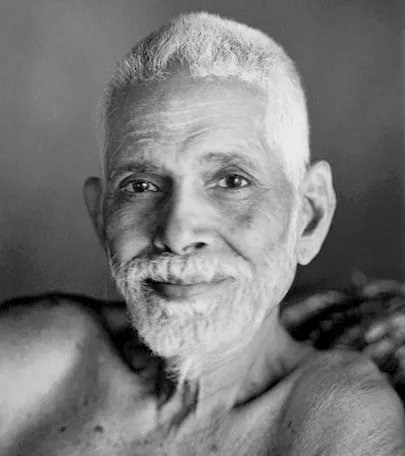
The Ever-Present Nature of Bliss
Ramana Maharshi's assertion that "Bliss is not something to be got. On the other hand, you are always Bliss" invites us to reconsider our understanding of happiness and fulfillment. In a world where we often chase external validations and fleeting pleasures, Maharshi's words serve as a profound reminder that true contentment is not a destination but an inherent quality of our being. This perspective shifts the focus from seeking bliss outside ourselves to recognizing and embodying it within.
By stating that we are "always Bliss," Maharshi challenges the conventional narrative that happiness is contingent upon circumstances or achievements. This teaching encourages a deep introspection into the nature of the self and the realization that our essence is not defined by external factors. The stakes are high; understanding this truth can lead to a transformative shift in how we navigate our lives, relationships, and inner landscapes.
The image / the metaphor
The imagery in Maharshi's quote evokes a sense of timelessness and permanence. The phrase "not something to be got" suggests that bliss is not an object to be acquired or a goal to be achieved. Instead, it implies a state of being that is already present, waiting to be recognized. The verb "are" emphasizes the immediacy and continuity of this state, inviting us to explore the depths of our own existence and the essence that lies within.
In the speaker's tradition
Ramana Maharshi's teachings are deeply rooted in the Advaita Vedanta tradition, which emphasizes non-duality and the unity of the self with the absolute. Concepts such as dharma, the path of righteousness, and prajna, or wisdom, are integral to understanding his perspective on bliss. In this context, the realization of one's true nature as bliss is not merely a philosophical idea but a lived experience that aligns with the principles of self-inquiry and self-realization.
In the Upanishads, ancient texts that form the foundation of Hindu philosophy, we find echoes of Maharshi's insights. The Chandogya Upanishad, for instance, speaks of the ultimate reality, Brahman, as being synonymous with bliss (Ananda). This connection between the self and the divine reinforces the idea that our inherent nature is not separate from the blissful essence of existence itself, inviting us to explore the depths of our own consciousness.
Living the teaching
Consider a modern scenario where an individual is caught in the relentless pursuit of success, believing that happiness lies in promotions, accolades, or material possessions. This person may find themselves in a cycle of striving, only to realize that each achievement brings fleeting satisfaction, quickly replaced by the desire for more. Maharshi's teaching serves as a gentle nudge to pause and reflect: what if true happiness is not found in external accomplishments but in the quiet recognition of one's own inherent bliss?
In relationships, this teaching can manifest as a profound shift in how we connect with others. Imagine a moment of conflict where one partner feels misunderstood and seeks validation from the other. By embodying the understanding that they are already whole and complete, they can approach the situation with compassion and openness, recognizing that their happiness does not depend on the approval of their partner. This shift not only fosters deeper connections but also cultivates a sense of peace that transcends the ups and downs of relational dynamics.
A reflection
As we contemplate Maharshi's profound assertion, we are invited to ask ourselves: "What does it mean for me to recognize that I am always Bliss?" This question encourages a deep exploration of our beliefs, attachments, and the narratives we hold about happiness. In this inquiry, we may uncover the layers of conditioning that have led us to seek fulfillment outside ourselves, ultimately guiding us back to the radiant truth of our own being.


Join the BrightStar Community
Stay connected with daily inspiration, event announcements, and community wisdom