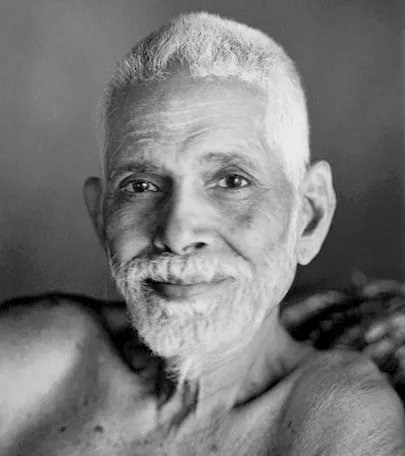
Awakening to the Witness Within
In the profound words of Ramana Maharshi, we are invited to "discover the Self even now," suggesting that the essence of our being transcends the transient states of existence. This call to awareness emphasizes the importance of recognizing a deeper aspect of ourselves—the witness that observes our thoughts, emotions, and experiences without becoming entangled in them. Understanding this distinction is crucial, as it opens the door to a more profound sense of peace and clarity in our lives.
To delve deeper into Maharshi's teaching, we must consider the implications of identifying with the witness rather than the fluctuating states of our mind and body. The notion that there exists a Self, separate from the myriad experiences of waking, dreaming, and deep sleep, invites us to explore the nature of consciousness itself. This exploration is not merely an intellectual exercise; it is a transformative journey that can lead to liberation from the cycles of suffering and attachment that often define our human experience.
The image / the metaphor
At the heart of Maharshi's quote lies a rich metaphorical landscape. The "three states" he refers to—waking, dreaming, and deep sleep—represent the various layers of human experience, each with its own set of perceptions and realities. The use of the word "witness" evokes an image of a detached observer, one who stands apart from the chaos of life, observing the unfolding drama without judgment or attachment. This imagery encourages us to cultivate a sense of inner stillness, allowing us to see our experiences as passing phenomena rather than definitive aspects of our identity.
Diving deeper into this metaphor, we can envision the witness as a vast, open sky, while the three states are like clouds that drift across it. Just as the sky remains unchanged regardless of the weather, the witness remains constant, untouched by the fluctuations of our thoughts and emotions. This understanding invites us to cultivate a sense of equanimity, recognizing that while our experiences may shift and change, the essence of who we are—the witness—remains ever-present and unaltered.
In the speaker's tradition
Ramana Maharshi's teachings are deeply rooted in the Advaita Vedanta tradition, which emphasizes non-duality and the unity of the individual self (Atman) with the universal consciousness (Brahman). This perspective aligns with concepts such as *dharma*, the moral order of the universe, and *kenosis*, the self-emptying that allows for divine presence. In this context, the witness is not merely an observer but an integral part of the cosmic play, reflecting the interconnectedness of all existence. The realization of the Self as the witness is a pathway to understanding our place within this grand tapestry.
In the *Upanishads*, ancient texts that explore the nature of reality and the self, we find echoes of Maharshi's insights. For instance, the *Mandukya Upanishad* speaks of the four states of consciousness—waking, dreaming, deep sleep, and the transcendent state of Turiya, which corresponds to the witness. This text reinforces the idea that our true nature is beyond the transient experiences of life, inviting seekers to explore the depths of their consciousness and awaken to the eternal truth of their being.
Living the teaching
Consider a modern scenario where this teaching can be applied: a stressful day at work filled with deadlines and interpersonal conflicts. In such moments, it is easy to become overwhelmed by the emotions and thoughts that arise, identifying with the stress rather than recognizing it as a passing state. By practicing the awareness of the witness, one can step back and observe these feelings without attachment, allowing for a more balanced response. This shift in perspective can transform how we navigate challenges, fostering resilience and clarity in the face of adversity.
Another application of this teaching can be found in relationships, particularly during conflicts. When disagreements arise, it is common to become entangled in the emotions of anger or frustration. By embodying the witness, we can observe our reactions and the dynamics at play without becoming consumed by them. This practice not only fosters healthier communication but also cultivates compassion, allowing us to respond from a place of understanding rather than reactivity. In daily life, this awareness can be nurtured through mindfulness practices, such as meditation, which help us connect with the witness within.
A reflection
As we contemplate Maharshi's invitation to "discover the Self even now," we are called to reflect on our own relationship with the witness within. How often do we find ourselves lost in the tumult of our thoughts and emotions, forgetting the stillness that lies beneath? In moments of challenge or turmoil, we might ask ourselves: What would it feel like to observe my experiences as a witness, rather than becoming entangled in them? This question invites us to explore the transformative potential of recognizing our true nature, guiding us toward a deeper understanding of ourselves and our place in the world.




Join the BrightStar Community
Stay connected with daily inspiration, event announcements, and community wisdom