The True Essence of Surrender
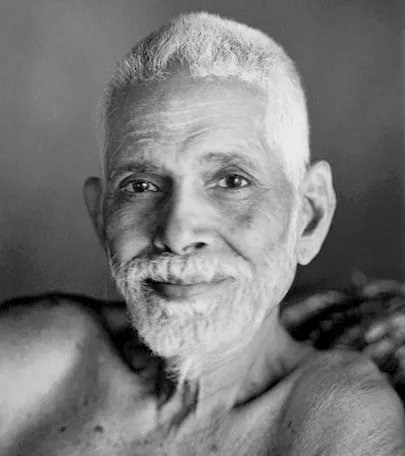
Ramana Maharshi's profound assertion, "If you ask him to do as you please, it is not surrender but command. You cannot have him obey you and yet think that you have surrendered," invites us to explore the delicate balance between surrender and control. At its core, this statement challenges our understanding of what it means to truly yield to a higher power or truth. It emphasizes that genuine surrender is not about imposing our will on others or even on the divine; rather, it is an act of humility and openness that requires us to relinquish our desire for control.
This quote resonates deeply in a world where the lines between surrender and manipulation often blur. In our quest for fulfillment, we may find ourselves demanding compliance from the universe or from those around us, mistaking this for a form of surrender. Maharshi's words remind us that true surrender is a profound act of letting go, an invitation to trust in the unfolding of life without the need to dictate its course. This understanding is essential for spiritual growth, as it calls us to examine our motivations and the authenticity of our intentions.
The image / the metaphor
The imagery in Maharshi's quote evokes a powerful contrast between surrender and command. The act of asking someone to do as we please suggests a transactional relationship, one where our desires dictate the actions of another. This dynamic is laden with the weight of expectation and control, which stands in stark opposition to the essence of surrender. Surrender, in this context, is not a passive resignation but an active engagement with the flow of life, where we release our grip on outcomes and allow the universe to guide us.
In the speaker's tradition
Ramana Maharshi's teachings are deeply rooted in the Hindu tradition, particularly in the concepts of bhakti (devotion) and jnana (knowledge). Surrender, as articulated by Maharshi, aligns with the notion of bhakti, where the devotee relinquishes personal will in favor of divine will. This act of surrender is not a loss of self but a recognition of the interconnectedness of all beings, echoing the teachings found in texts such as the Bhagavad Gita, where Arjuna learns to surrender his ego to the greater purpose of dharma.
Furthermore, Maharshi's perspective can be likened to the concept of kenosis found in various spiritual traditions, which refers to the self-emptying of one's own will and desires. In this light, surrender becomes a pathway to experiencing sunyata, or emptiness, where one transcends the limitations of the ego and opens to a more profound reality. This transformative process is echoed in the writings of other sages, such as the Upanishads, which emphasize the importance of self-realization through the relinquishment of personal desires.
Living the teaching
Consider a modern scenario where this teaching might resonate: a workplace environment where a manager insists on having their team execute tasks exactly as they envision. In this situation, the manager may believe they are leading effectively, yet they are actually stifling creativity and collaboration. By recognizing that true leadership involves surrendering control and trusting team members to contribute their unique insights, the manager can foster a more innovative and engaged workplace. This shift from command to surrender can lead to a more harmonious and productive atmosphere.
In personal relationships, this teaching can manifest in the way we interact with loved ones. For instance, when we impose our expectations on a partner, we may think we are guiding them toward a better outcome. However, this approach often leads to resentment and disconnection. By practicing surrender in our relationships—allowing our partners to express their needs and desires without judgment—we cultivate an environment of mutual respect and understanding. This act of letting go not only deepens our connections but also enriches our own spiritual journey.
A reflection
As we contemplate Maharshi's profound insight, we are invited to reflect on our own lives: In what areas do we find ourselves demanding compliance rather than embracing surrender? This question encourages us to examine our relationships, our work, and our spiritual practices, prompting us to consider how we might cultivate a deeper sense of humility and trust. By allowing ourselves to step back and release the need for control, we open ourselves to the possibility of a richer, more authentic experience of life.




Join the BrightStar Community
Stay connected with daily inspiration, event announcements, and community wisdom