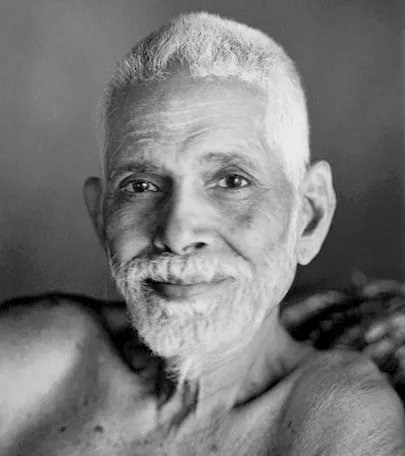
Awakening to the True Self: The Path to Lasting Happiness
Ramana Maharshi's assertion that "nearly all mankind is more or less unhappy because nearly all do not know the true Self" invites us to explore the profound connection between self-knowledge and genuine happiness. In this statement, Maharshi encapsulates a fundamental truth about the human condition: our discontent often arises from a disconnection with our authentic selves. This disconnection leads to a pervasive sense of longing and dissatisfaction, as we search for fulfillment in external circumstances rather than within.
To delve deeper into this insight, we must recognize that the quest for happiness is often misguided. Many individuals chase fleeting pleasures, societal approval, or material success, believing these will bring them joy. However, Maharshi's wisdom suggests that true contentment lies not in external achievements but in the realization of our inherent nature. This journey toward self-discovery is not merely an intellectual exercise; it is a transformative awakening that can lead to profound inner peace and fulfillment.
The image / the metaphor
In Maharshi's quote, the imagery of "nearly all mankind" evokes a sense of universality, suggesting that this struggle with unhappiness is a shared human experience. The phrase "more or less unhappy" captures the subtle gradations of discontent that permeate our lives, hinting at the varying degrees of awareness and understanding we possess regarding our true selves. The verb "know" implies an intimate, experiential understanding rather than a mere intellectual acknowledgment, emphasizing the depth of realization required to transcend suffering.
Delving deeper into the metaphor, we can see that the "true Self" represents the essence of who we are beyond the layers of conditioning, identity, and societal expectations. It is a call to peel back the masks we wear and confront the core of our being. This journey is akin to a pilgrimage inward, where the seeker must navigate through the distractions and illusions of the external world to uncover the radiant truth of their existence. The metaphor invites us to consider the transformative power of self-awareness and the liberation that comes from recognizing our true nature.
In the speaker's tradition
Ramana Maharshi's teachings are deeply rooted in the non-dual tradition, which emphasizes the unity of the individual self (Atman) with the universal consciousness (Brahman). This perspective aligns with the concept of dharma, where understanding one's true nature is essential for living in harmony with the universe. The process of self-inquiry, or "atma vichara," is a central practice in Maharshi's teachings, guiding seekers to question the nature of their thoughts and beliefs to uncover their authentic selves.
In the context of non-duality, Maharshi's insights resonate with the Buddhist concept of sunyata, or emptiness, which teaches that our perceived separateness is an illusion. Just as the Buddha encouraged his followers to see through the veil of ignorance, Maharshi invites us to awaken to the reality of our interconnectedness. The teachings of Advaita Vedanta, which emphasize the non-dual nature of existence, further illuminate this path, reminding us that the realization of the true Self is not a destination but an ongoing journey of awakening.
Living the teaching
Consider a modern scenario where an individual feels perpetually dissatisfied despite achieving career success and social recognition. This person may find themselves caught in a cycle of striving for more—more accolades, more possessions, more validation—yet still feeling an underlying emptiness. Maharshi's teaching serves as a gentle reminder that true happiness cannot be found in external accomplishments but rather in the exploration of one's inner landscape. By engaging in self-inquiry and reflecting on the nature of their desires, this individual can begin to uncover the deeper truths of their existence and cultivate a sense of fulfillment that transcends the superficial.
In a different context, imagine a relationship strained by misunderstandings and unmet expectations. Each partner may be projecting their insecurities and fears onto the other, leading to conflict and disconnection. By applying Maharshi's teaching, both individuals can embark on a journey of self-discovery, recognizing that their unhappiness stems from a lack of awareness of their true selves. Through open communication and a commitment to understanding their own inner worlds, they can foster a deeper connection rooted in authenticity and compassion, transforming their relationship into a space of mutual growth and support.
A reflection
As we contemplate Maharshi's profound statement, we are invited to reflect on our own lives and the ways in which we may be disconnected from our true selves. What aspects of our identity are we clinging to that may be obscuring our understanding of who we truly are? In this moment of introspection, let us ask ourselves: How can we cultivate a deeper awareness of our true nature, and in doing so, unlock the door to lasting happiness?


Join the BrightStar Community
Stay connected with daily inspiration, event announcements, and community wisdom