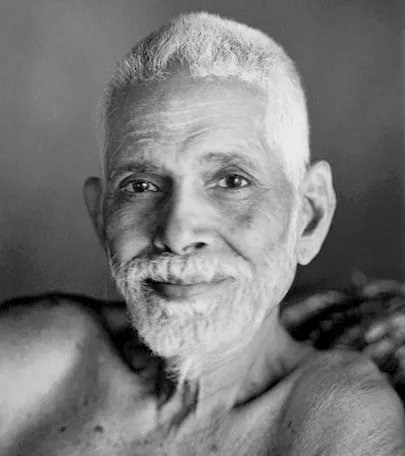
The Art of Presence: Embracing the Now
Ramana Maharshi's assertion, "Take care of the present, the future will take care of itself," invites us to immerse ourselves in the immediacy of our experiences. This statement underscores the profound importance of the present moment, suggesting that our attention and energy should be focused on what is unfolding right now. In a world often preoccupied with future anxieties or past regrets, this teaching serves as a gentle reminder that the essence of life is found in the here and now, where true action and awareness reside.
Delving deeper, Maharshi's words resonate with a timeless wisdom that transcends mere practicality. They challenge us to reconsider our relationship with time itself, urging us to cultivate a state of being that is rooted in presence. By prioritizing the present, we not only enhance our own well-being but also create a fertile ground for the future to blossom naturally. This perspective invites us to engage fully with our lives, fostering a sense of peace and clarity that can often feel elusive in our fast-paced existence.
The image / the metaphor
At first glance, the imagery within Maharshi's quote is deceptively simple yet profoundly rich. The phrase "take care of the present" evokes a sense of nurturing, as if the present moment is a delicate seed that requires our attention and care to flourish. The verbs chosen—"take care"—imply an active engagement, a conscious decision to be present and attentive. This imagery invites us to visualize the present as a living entity, deserving of our love and focus, rather than a mere backdrop to our future aspirations.
Going deeper into the metaphor, we can see that the present is not just a fleeting moment but a gateway to the infinite. By tending to the present, we cultivate a garden of experiences that shape our future. The act of caring for the now becomes a transformative practice, allowing us to release the burdens of expectation and worry. In this way, the future is not a distant destination but a natural extension of our present actions and intentions, flowing seamlessly from the care we invest in our current reality.
In the speaker's tradition
Ramana Maharshi's teachings are deeply rooted in the Hindu tradition, particularly in the philosophy of Advaita Vedanta, which emphasizes non-duality and the interconnectedness of all existence. Concepts such as dharma, or righteous living, and prajna, or wisdom, are integral to understanding the essence of his message. By focusing on the present, we align ourselves with our dharma, allowing us to act with clarity and purpose. This alignment fosters a state of kenosis, or self-emptying, where we release our attachments to outcomes and embrace the flow of life.
In the context of sacred texts, Maharshi's teaching echoes the sentiments found in the Bhagavad Gita, where Krishna advises Arjuna to perform his duty without attachment to the results. This notion of selfless action, or karma yoga, reinforces the idea that by engaging fully in the present moment, we cultivate a sense of peace and fulfillment that transcends the anxieties of the future. The Gita teaches that the fruits of our actions will naturally unfold when we remain anchored in the present, allowing us to navigate life with grace and equanimity.
Living the teaching
Consider a modern scenario where this teaching can be applied: a busy professional overwhelmed by deadlines and future goals. In the midst of this chaos, the wisdom of Maharshi invites them to pause and focus on the task at hand, rather than becoming consumed by the looming pressures of tomorrow. By dedicating their attention to the present moment—whether it be a meeting, a project, or even a conversation—they can experience a sense of clarity and purpose that enhances their productivity and reduces stress. This practice of presence transforms their work into a more meaningful and fulfilling experience.
Another application of this teaching can be found in personal relationships. Imagine a couple navigating a challenging moment, where past grievances and future uncertainties cloud their communication. By embracing the present, they can engage in open dialogue, free from the weight of past resentments or future expectations. This commitment to presence fosters deeper understanding and connection, allowing them to address their issues with compassion and clarity. In this way, the practice of being present not only enriches individual experiences but also strengthens the bonds we share with others.
A reflection
As we reflect on Maharshi's profound insight, we are invited to consider how we relate to the present moment in our own lives. Are we often caught in the web of future anxieties or past regrets, or do we find ourselves fully engaged in the now? In what ways can we cultivate a deeper sense of presence in our daily routines, relationships, and personal practices? This contemplation invites us to explore the transformative power of presence and its ability to shape our experiences and futures.


Join the BrightStar Community
Stay connected with daily inspiration, event announcements, and community wisdom