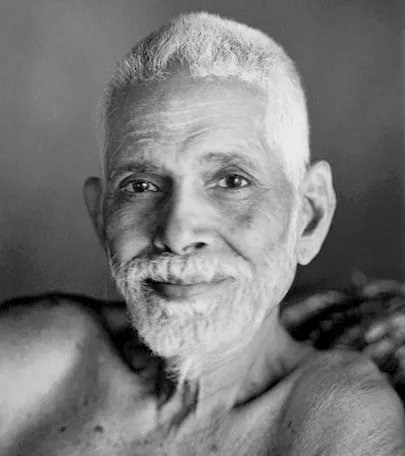
The Unveiling of the Ever-Present Self
In the profound words of Ramana Maharshi, "The Self is always realized. There is no need to seek to realize what is already and always realized. For you cannot deny your own existence." This statement invites us to reconsider our understanding of self-realization, suggesting that the essence of who we are is not something to be attained but rather something that is inherently present. The stakes of this teaching are significant; it challenges the relentless pursuit of external validation and the often-fruitless quest for enlightenment, urging us instead to turn inward and recognize the truth of our being.
In a world that often equates self-worth with achievement and external recognition, Maharshi's assertion serves as a gentle reminder of the simplicity and immediacy of self-awareness. The realization of the Self is not a distant goal but a recognition of what is already true. This perspective shifts the focus from striving to simply being, inviting us to explore the depths of our existence without the burden of expectation or the weight of self-doubt.
The image / the metaphor
The imagery in Maharshi's quote evokes a sense of immediacy and presence. The phrase "always realized" suggests a state of being that is constant and unchanging, contrasting sharply with the transient nature of our thoughts and experiences. The verbs "seek" and "deny" highlight the futility of searching for something that is already within us, as well as the inherent contradiction in denying our own existence. This language invites us to feel the weight of our own presence, to acknowledge the profound truth that we are, simply by being.
Diving deeper into the metaphor, we can see that the Self is likened to an unchanging essence amidst the chaos of life. Just as the sun shines regardless of the clouds that may obscure it, our true nature remains unaffected by the fluctuations of our thoughts and emotions. This metaphor serves as a powerful reminder that our essence is not contingent upon external circumstances; rather, it is a steady light that illuminates our path, waiting to be recognized and embraced.
In the speaker's tradition
Ramana Maharshi's teachings are deeply rooted in the Advaita Vedanta tradition, which emphasizes non-duality and the oneness of the Self with the ultimate reality, Brahman. Concepts such as dharma and prajna resonate within this framework, as they encourage individuals to live in accordance with their true nature and to cultivate wisdom through self-inquiry. The idea of kenosis, or self-emptying, parallels Maharshi's teaching by suggesting that letting go of false identifications allows for the realization of the true Self, free from the constraints of ego and illusion.
In the context of sacred texts, the Upanishads echo this sentiment, particularly in the famous declaration "Tat Tvam Asi," meaning "That Thou Art." This phrase encapsulates the essence of self-realization, affirming that the individual soul (Atman) is fundamentally one with the universal spirit (Brahman). Maharshi's assertion that the Self is always realized aligns seamlessly with this ancient wisdom, reinforcing the notion that our true nature is not something to be acquired but rather something to be recognized and embraced.
Living the teaching
Consider a modern scenario where an individual is caught in the relentless cycle of achievement, constantly seeking validation through career success or social status. This person may feel a persistent sense of inadequacy, believing that happiness lies just beyond their reach. Maharshi's teaching invites this individual to pause and reflect on the inherent worth of their existence, encouraging them to recognize that fulfillment does not stem from external accomplishments but from an acknowledgment of their own being. By shifting the focus from striving to simply being, they can begin to experience a profound sense of peace and contentment.
In the realm of relationships, this teaching can manifest in moments of conflict or misunderstanding. When faced with a disagreement, one might feel compelled to defend their position or seek validation from the other person. However, by embracing the understanding that the Self is already realized, individuals can approach these situations with greater compassion and openness. Instead of reacting from a place of ego, they can recognize the shared essence of their being, fostering deeper connections and understanding. This shift in perspective not only enhances personal relationships but also cultivates a sense of unity with others.
A reflection
As we contemplate Maharshi's profound assertion, we are invited to ask ourselves: What would it mean to live each day from the awareness that my existence is already complete and whole? This question encourages us to explore the layers of our identity and the ways in which we may unconsciously seek validation outside ourselves. By engaging with this inquiry, we can begin to peel back the layers of illusion and step into the radiant truth of our being, allowing the light of our true Self to shine forth in every aspect of our lives.




Join the BrightStar Community
Stay connected with daily inspiration, event announcements, and community wisdom