The Illusion of Separation: Embracing Oneness
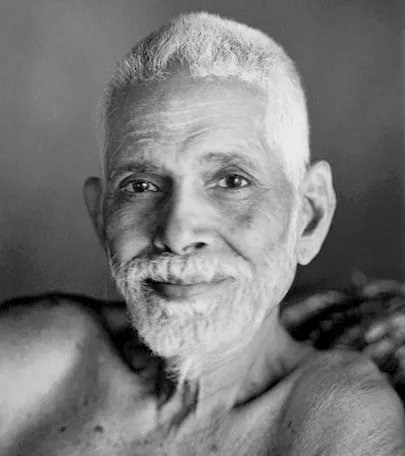
Ramana Maharshi's profound assertion, "There are no others," invites us to reconsider the very fabric of our existence. This statement challenges the deeply ingrained perception of separateness that permeates our daily lives. By suggesting that the distinctions we draw between ourselves and others are illusory, Maharshi beckons us toward a more expansive understanding of unity. In a world often characterized by division and conflict, this teaching holds the potential to transform our relationships and our sense of self.
To grasp the significance of this quote, we must delve into the implications of recognizing that there are no others. This realization is not merely philosophical; it is a call to awaken to the interconnectedness of all beings. It urges us to transcend the ego's limitations and embrace a more profound sense of belonging to the universe. In doing so, we can cultivate compassion, empathy, and a deeper appreciation for the shared experience of life, ultimately leading to a more harmonious existence.
The image / the metaphor
At its core, the phrase "There are no others" evokes a powerful image of unity, where the boundaries that separate individuals dissolve into a singular essence. The verb "are" suggests a state of being that transcends the superficial distinctions of identity, race, and belief. Maharshi's words resonate with a felt sense of belonging, inviting us to experience life not as isolated entities but as integral parts of a greater whole. This imagery evokes a tapestry woven from countless threads, each representing a unique life yet contributing to a singular design.
Diving deeper into the metaphor, we can envision the ocean and its waves. Each wave appears distinct, yet it is fundamentally part of the same body of water. In this analogy, the waves symbolize individual lives, while the ocean represents the universal consciousness. Maharshi's teaching encourages us to recognize that our perceived separateness is akin to waves momentarily rising and falling, while our true nature remains the vast, unchanging ocean of existence. This understanding can liberate us from the confines of ego and foster a sense of unity with all that is.
In the speaker's tradition
Ramana Maharshi's teachings are deeply rooted in the Advaita Vedanta tradition, which emphasizes non-duality and the oneness of existence. Central to this philosophy is the concept of *Brahman*, the ultimate reality that transcends individual identities. The notion of *Maya*, or illusion, further elucidates how the perception of separateness clouds our understanding of this unity. By realizing that the distinctions we cling to are mere illusions, we can awaken to our true nature, which is inherently interconnected with all beings.
This teaching resonates with the ancient text of the *Upanishads*, which articulates the essence of non-duality. In the *Chandogya Upanishad*, it is stated, "Tat Tvam Asi," meaning "That Thou Art." This phrase encapsulates the idea that the individual self (Atman) is not separate from the universal self (Brahman). Maharshi's assertion echoes this wisdom, inviting us to recognize our intrinsic connection to the cosmos and each other, thus dissolving the illusion of separateness.
Living the teaching
In contemporary life, the teaching "There are no others" can manifest in various scenarios, particularly in our interactions with others. Consider a moment of conflict with a colleague or a friend. The instinctive reaction may be to view the other person as an adversary, reinforcing the sense of separateness. However, by embracing Maharshi's teaching, we can shift our perspective, recognizing that the other person is not an enemy but a reflection of ourselves, sharing in the same human experience. This understanding can foster compassion and open the door to resolution and healing.
Another application of this teaching can be found in the realm of personal relationships. When we encounter difficulties with loved ones, it is easy to fall into the trap of viewing them as separate entities with their own desires and motivations. Yet, by contemplating the idea that "there are no others," we can cultivate empathy and understanding. This perspective encourages us to see our loved ones as integral parts of our own journey, reminding us that their struggles and joys are intertwined with our own. Such a shift can deepen our connections and enhance our capacity for love and forgiveness.
A reflection
As we contemplate the profound statement "There are no others," we are invited to reflect on our own perceptions of separateness. How often do we allow the illusion of division to dictate our thoughts and actions? In what ways can we begin to dissolve these boundaries in our daily lives? By engaging with these questions, we can embark on a journey toward greater unity and compassion, ultimately awakening to the truth of our interconnected existence.


Join the BrightStar Community
Stay connected with daily inspiration, event announcements, and community wisdom