The Journey Within: Knowing the Self as the Path to Everything
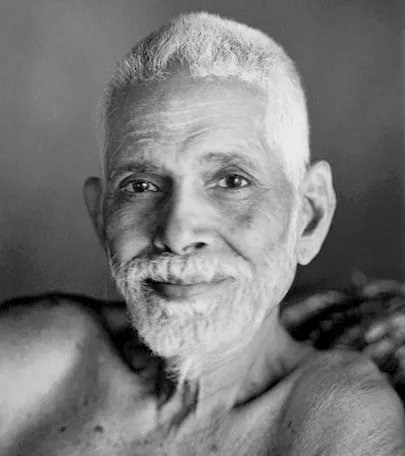
Ramana Maharshi's assertion that "he who has known himself has known everything" invites us to explore the profound depths of self-awareness and its implications for our understanding of existence. This statement suggests that the journey inward is not merely a personal endeavor but a gateway to universal truths. By knowing ourselves, we unlock the mysteries of the cosmos, revealing that the external world is a reflection of our internal state. This exploration is not just philosophical; it is a call to action, urging us to engage in the transformative process of self-discovery.
In a world often preoccupied with external validation and material success, Maharshi's words serve as a gentle reminder of the importance of introspection. The quest for self-knowledge transcends the boundaries of individual experience, connecting us to a larger tapestry of existence. It challenges us to reconsider our definitions of success and fulfillment, suggesting that true wisdom lies not in accumulating knowledge about the world but in understanding our place within it. This journey is both personal and collective, as the insights gained from self-exploration resonate with the shared human experience.
The image / the metaphor
The imagery in Maharshi's quote evokes a sense of depth and expansiveness. The phrase "has known himself" implies a journey of discovery, suggesting that the self is not a fixed entity but a dynamic landscape to be explored. The use of "has known everything" conveys a sense of completeness, as if the act of self-realization encompasses all knowledge and understanding. This duality of the self as both a singular entity and a microcosm of the universe invites us to reflect on the interconnectedness of all beings.
In the speaker's tradition
Ramana Maharshi's teachings are deeply rooted in the Hindu tradition, particularly in the concepts of self-inquiry and non-duality. Central to this tradition is the idea of *Atman*, the true self, which is considered identical to *Brahman*, the ultimate reality. This understanding aligns with the notion of *prajna*, or wisdom, which emerges from the realization of the self's unity with the cosmos. Maharshi's emphasis on self-knowledge reflects the broader Hindu pursuit of *moksha*, or liberation, which is achieved through the understanding of one's true nature.
In the context of Maharshi's teachings, we can draw parallels to the *Upanishads*, ancient texts that explore the nature of reality and the self. For instance, the *Chandogya Upanishad* states, "Tat Tvam Asi," meaning "That Thou Art," which encapsulates the essence of self-realization. This phrase reinforces the idea that understanding oneself is synonymous with understanding the universe, echoing Maharshi's assertion that knowing oneself leads to knowing everything. The interconnectedness of these teachings highlights the timeless wisdom found within the Hindu tradition.
Living the teaching
Consider a modern scenario where an individual grapples with feelings of inadequacy in their career. They may seek external validation through promotions or accolades, believing that success will bring them fulfillment. However, if they turn inward and engage in self-reflection, they may discover that their sense of worth is tied to societal expectations rather than their true passions and values. By knowing themselves, they can redefine success on their own terms, leading to a more authentic and fulfilling life.
In relationships, this teaching can manifest in the way we communicate and connect with others. For instance, during a conflict, one might react defensively, unaware of their own insecurities. However, through the practice of self-inquiry, they can recognize these triggers and respond with empathy and understanding. This shift not only enhances the quality of the relationship but also fosters a deeper connection rooted in authenticity. By knowing ourselves, we cultivate the capacity to engage with others more meaningfully, enriching our shared experiences.
A reflection
As we contemplate Ramana Maharshi's profound statement, we are invited to explore the depths of our own being. What does it mean for you to "know yourself"? In what ways might this self-knowledge illuminate your understanding of the world around you? Reflecting on these questions can guide us on our journey toward greater self-awareness and connection with the universe, reminding us that the path to knowing everything begins with the courage to know ourselves.




Join the BrightStar Community
Stay connected with daily inspiration, event announcements, and community wisdom